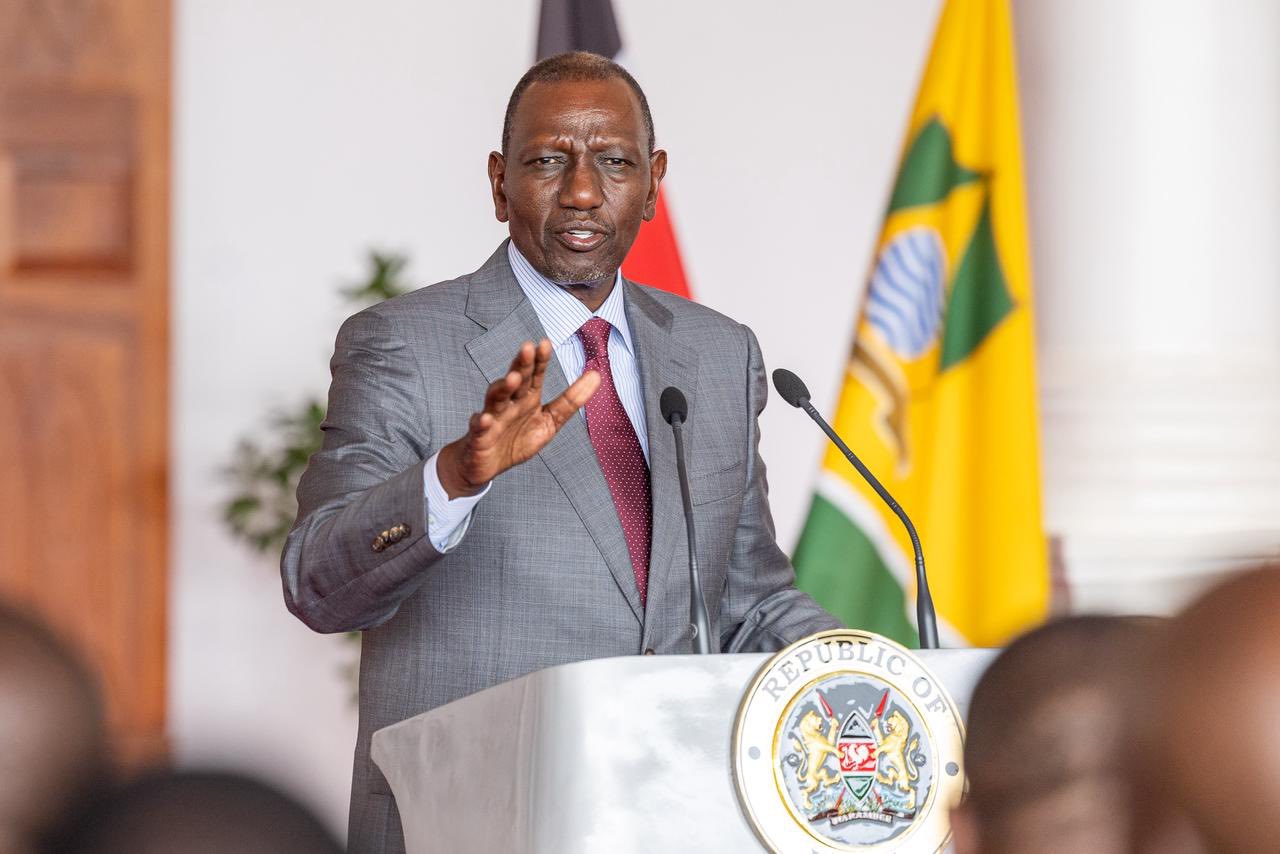
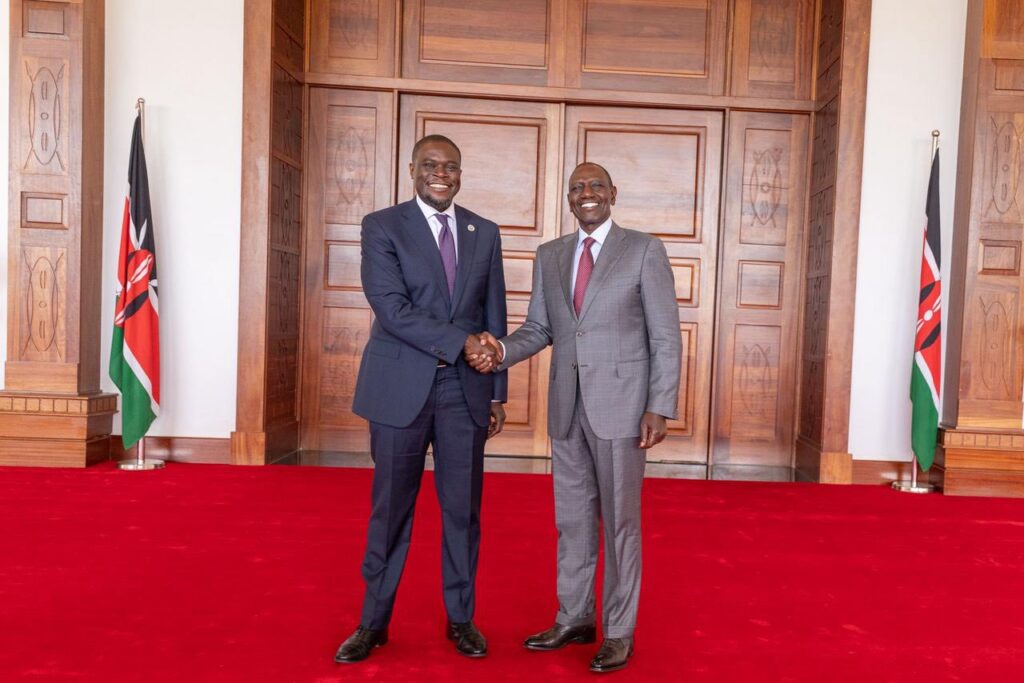
The collaboration between the National Government and the County Government of Nairobi marks a major step toward transforming the capital into a more efficient, livable, and economically vibrant metropolis. Through a joint KSh 80 billion cooperation framework, the two levels of government are aligning infrastructure, utilities, and security investments to accelerate service delivery and improve residents’ quality of life. The partnership reflects a broader push by the administration of William Ruto to deepen intergovernmental coordination in addressing urban challenges.
One of the biggest immediate benefits will be improved public lighting and safety. The plan commits KSh 3.7 billion to install 50,000 new streetlights across the city. Expanded lighting is expected to reduce crime risks, support night-time business activity, and improve mobility in residential estates, informal settlements, and commercial zones.
Electricity access and affordability will also improve for thousands of households. About KSh 1.5 billion has been allocated for transformers and last-mile connectivity to lower power costs for low-income families. In addition, KSh 3.3 billion will support long-term investments in transformer coverage, prepaid metering, and lighting in informal settlements, helping formalize power connections while reducing illegal hookups and outages.
Water and sanitation infrastructure form another central pillar of the agreement. The investment includes KSh 2.1 billion for the Ng’ethu Treatment Plant and KSh 3 billion for the Gigiri–Shauri Moyo evacuation corridor, both aimed at addressing persistent water shortages. These projects are expected to stabilize supply, reduce rationing, and support population growth in rapidly expanding neighborhoods.
Sewerage upgrades will further enhance public health and environmental protection. The partnership sets aside KSh 9 billion to build two parallel 27-kilometre trunk sewer lines along the Nairobi River corridor. Another KSh 6 billion will fund a new sewer treatment plant capable of processing 60,000 cubic litres of wastewater daily, reducing pollution and improving sanitation coverage in underserved areas.
To strengthen long-term connectivity, KSh 3 billion will support last-mile sewer connections, while KSh 15 billion is earmarked for future sewer expansion. These investments will enable more households and businesses to connect to the main system, cut reliance on septic solutions, and support sustainable urban planning as the city grows.
Transport and urban mobility will also benefit significantly. The framework allocates KSh 8.7 billion for roads, bridges, and drainage works, including KSh 2 billion to fast-track completion of Kenya Urban Roads Authority (KURA) projects within two months. Better roads and drainage will ease congestion, reduce flooding during rainy seasons, and enhance access to markets, schools, and workplaces.
Finally, the agreement strengthens environmental management and security. KSh 2 billion has been set aside for solid waste management, complementing KSh 4 billion already committed by the county. A dedicated Nairobi Metropolitan Police Unit is also scheduled to be operational within 60 days, reinforcing urban safety. Together, these coordinated investments position Nairobi to gain improved infrastructure, cleaner neighborhoods, stronger security, and expanded economic opportunities—demonstrating how national-county cooperation can directly uplift urban residents.