Moody’s Investors Service has upgraded Kenya’s sovereign credit rating to B3 from Caa1 and revised the outlook to stable, marking a significant vote of confidence in the country’s improving macroeconomic and financial position. The decision reflects a clear reduction in near-term default risk and signals renewed optimism about Kenya’s capacity to manage its external obligations amid a challenging global environment.
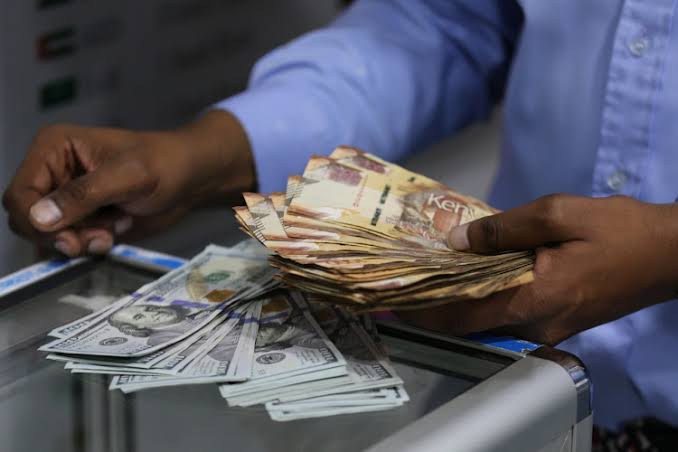
At the core of the upgrade is Kenya’s strengthened external liquidity position, anchored by a notable build-up in foreign exchange reserves. FX reserves have risen to $12.2 billion, equivalent to 5.3 months of import cover, providing a stronger buffer against external shocks. This improvement has been supported by a narrower current account deficit and a more stable exchange rate, easing balance-of-payments pressures and improving investor confidence.
Kenya’s improved access to international capital markets also played a decisive role in the ratings action. In 2025, the government successfully issued $3.0 billion in Eurobonds and deployed part of the proceeds to buy back $1.2 billion of existing external debt. These liability management operations have smoothed the external maturity profile and pushed the next major external bond maturity to 2030, substantially reducing refinancing risks in the near to medium term.
On the domestic front, financing conditions have eased considerably, enhancing the government’s funding flexibility. Treasury bill and bond auctions have remained consistently oversubscribed, while yields have declined, reflecting stronger investor demand and improved liquidity conditions. Lower domestic borrowing costs have helped reduce immediate reliance on external financing, even as fiscal financing needs remain sizable.
The ratings upgrade also comes against the backdrop of solid economic growth, underpinned by Kenya’s relatively large and diversified economy. Real GDP growth is estimated at 4.7 percent in 2024, supported by resilience in services, improving exports, and steady remittance inflows. This growth momentum provides the economy with greater capacity to absorb shocks and supports revenue generation over the medium term.
However, Moody’s cautioned that structural constraints persist, particularly around debt affordability. Interest payments continue to consume over 30 percent of government revenue, one of the highest ratios among peers. High domestic interest rates and a heavy reliance on local borrowing continue to weigh on fiscal space, limiting the speed at which debt affordability can improve.
Fiscal challenges also remain a key rating constraint. The fiscal deficit is projected to stay close to 6 percent of GDP, reflecting persistent revenue underperformance and spending pressures. While the government has articulated medium-term fiscal consolidation plans, Moody’s notes that progress has been gradual, constrained by political, social, and economic factors that complicate rapid adjustment.
Overall, the stable outlook reflects Moody’s expectation that Kenya will sustain recent gains in external liquidity and funding flexibility, even as fiscal consolidation proceeds slowly. The upgrade to B3 underscores growing confidence in Kenya’s macroeconomic management and market access, while also highlighting the importance of continued reforms to strengthen revenue performance, contain borrowing costs, and place public debt firmly on a more affordable and sustainable path.