The Government continues to roll out Economic Stimulus Package (ESP) markets across the country as part of a broader strategy to modernize trade infrastructure, strengthen Micro, Small and Medium Enterprises (MSMEs), and unlock inclusive economic growth. These markets are designed to move traders from informal setups into well-planned commercial spaces, improving efficiency, safety, hygiene, and long-term business sustainability at the grassroots level.
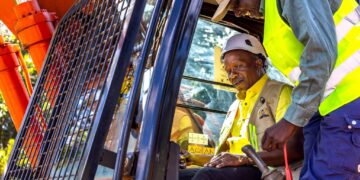
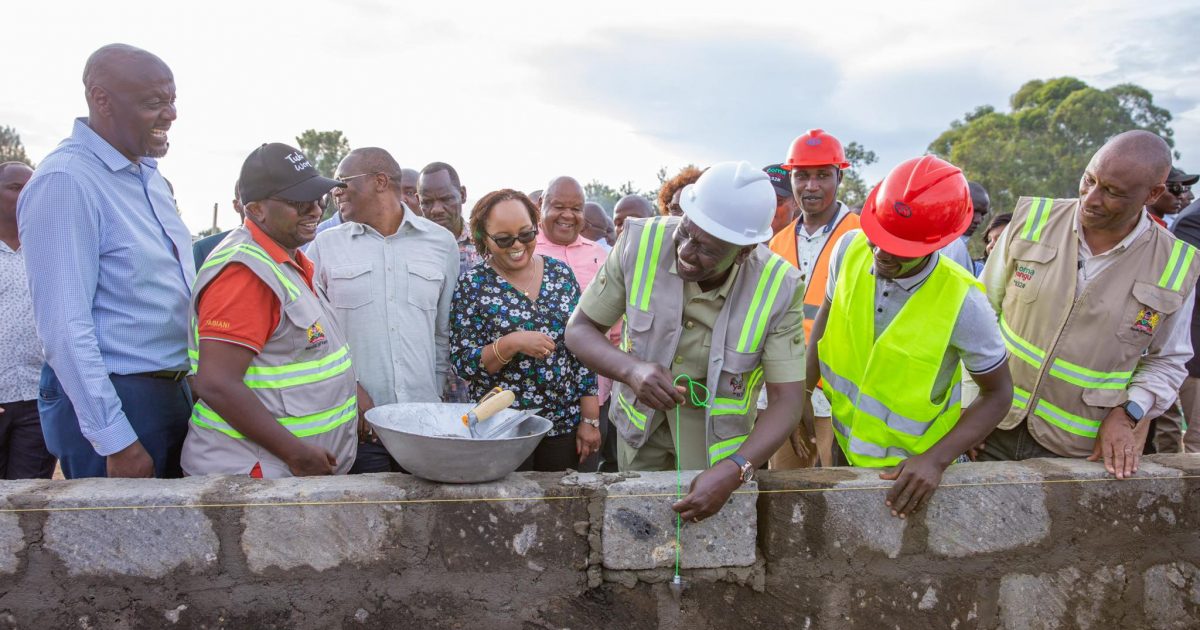
One of the flagship projects under this programme is the Sh310 million Kagio ESP Market in Kirinyaga County, which is currently 60 per cent complete and on track for completion by June this year. The two-storey facility was launched in April 2025 by President William Ruto and is expected to accommodate over 1,000 traders, significantly expanding Kagio’s commercial capacity and positioning the town as a vibrant regional trading hub.
Beyond job creation during construction, the Kagio market represents a powerful economic stimulus. By providing modern stalls, storage facilities, and essential amenities, the project will reduce post-harvest losses, improve product quality, and enhance price stability for traders. This, in turn, is expected to increase household incomes, boost consumer confidence, and deepen local supply chains linking farmers, traders, transporters, and service providers.
A key feature of the Kagio ESP Market is the inclusion of an ICT hub aimed at empowering young people with digital skills. This component aligns with the government’s digital economy agenda, enabling youth to access e-commerce, online marketing, digital payments, and innovation opportunities. The ICT hub is expected to attract new forms of enterprise into the town, diversify income streams, and integrate local businesses into the wider digital marketplace.
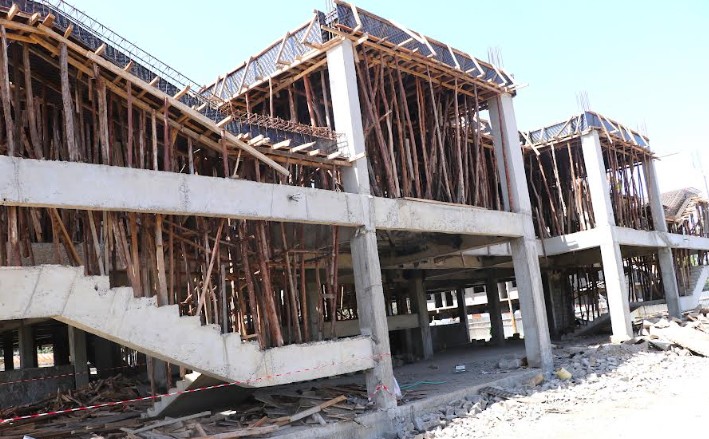
According to the site clerk of works, Justus Chomba, the project is part of a deliberate national strategy to strengthen MSMEs by investing in durable, modern trading infrastructure. He noted that all construction materials have been sourced locally, injecting capital directly into the Kagio economy and supporting suppliers, artisans, and small businesses beyond the construction site itself.
The project has also had immediate social and economic spillover effects. Local artisans, such as carpenter Samuel Waweru, say income earned from the project has enabled them to remain productive and financially independent. Such engagements reduce vulnerability to crime and idleness, while also allowing skilled youth to apply technical training in real-world settings, reinforcing the link between skills development and economic opportunity.
Although traders temporarily relocated to Kagio Town have faced challenges, including pest infestations and reduced customer access, many remain optimistic. Once completed, the Kagio ESP Market will allow traders to transition into a secure, organized, and formal trading environment. In the long run, the market is expected to increase county revenue, attract private investment, and anchor Kagio as a key commercial centre—demonstrating how ESP markets deliver lasting economic value well beyond short-term employment gains.