Kenya has formally gazetted Galana Kulalu as a Special Economic Zone, marking one of the clearest signs yet of the government’s determination to secure the country’s food future through large-scale land development, modernized farming, and decisive state-backed investment. The designation signals an aggressive shift toward a food-secure, self-sustaining national economy anchored in stronger institutions, commercial agriculture, and a redesigned supply chain built to withstand climate and market pressures.
he move comes against the backdrop of national food security and economic reports that warn of tightening climate risks, rising import dependence, and fragmented supply systems that continue to slow progress toward self-sufficiency. The administration is responding with a high-intensity push to reorganize the agricultural sector, consolidate production, enforce tighter regulatory oversight, and mobilize private capital to expand the country’s strategic food reserves.
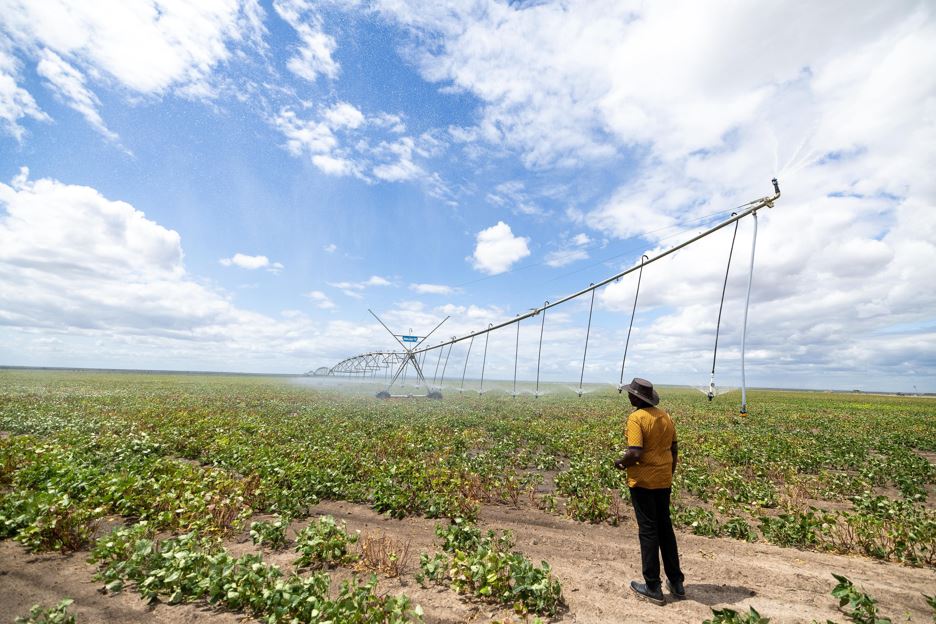
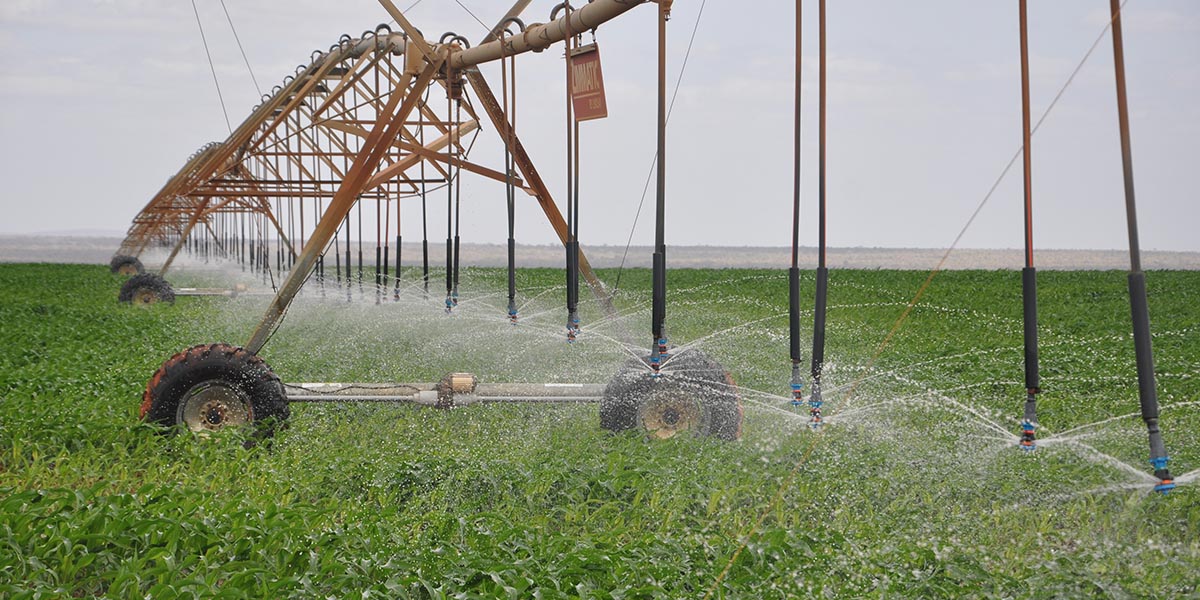
At Galana Kulalu, the government is accelerating irrigation works, expanding infrastructure, and deploying strict coordination mechanisms to fast-track agribusiness projects across the 1.8-million-acre block. The SEZ status grants investors tax advantages, faster approvals, and integrated services through a newly established one-stop land commercialization office designed to eliminate the bureaucratic delays that previously stalled agricultural expansion. By compressing approval timelines to one month, the state aims to position Kenya as a competitive destination for global agribusiness investment.
The administration is also reinforcing the role of private-sector partnerships, viewing them as essential to scaling capital-intensive ventures, driving value addition, and increasing output in edible oils, cereals, horticulture, livestock, and industrial crops. Large firms already developing land within the zone have invested in irrigation systems, dams, canals, and extensive cultivation, demonstrating the scale of transformation the government expects across the project. Thousands of new jobs have already been created as the coastal region becomes a hub for commercial farming and agro-industrial activity.
Beyond Galana Kulalu, the government is expanding its land commercialization agenda to counties, prison farms, and other public institutions to ensure all idle land is integrated into national food-security plans. The strategy is rooted in the belief that the country cannot afford underutilized land while agricultural imports continue to strain foreign exchange reserves.
The SEZ designation cements Galana Kulalu as the centrepiece of a broader national effort to build a resilient food system capable of reducing import dependence, stabilizing supply chains, and strengthening Kenya’s economic defense against climate-driven shocks. With enhanced infrastructure, advanced irrigation, private investment, and firm regulatory control, the government is betting on a more modern, more productive agricultural landscape that can protect citizens, grow industries, and move the country closer to full food sovereignty.