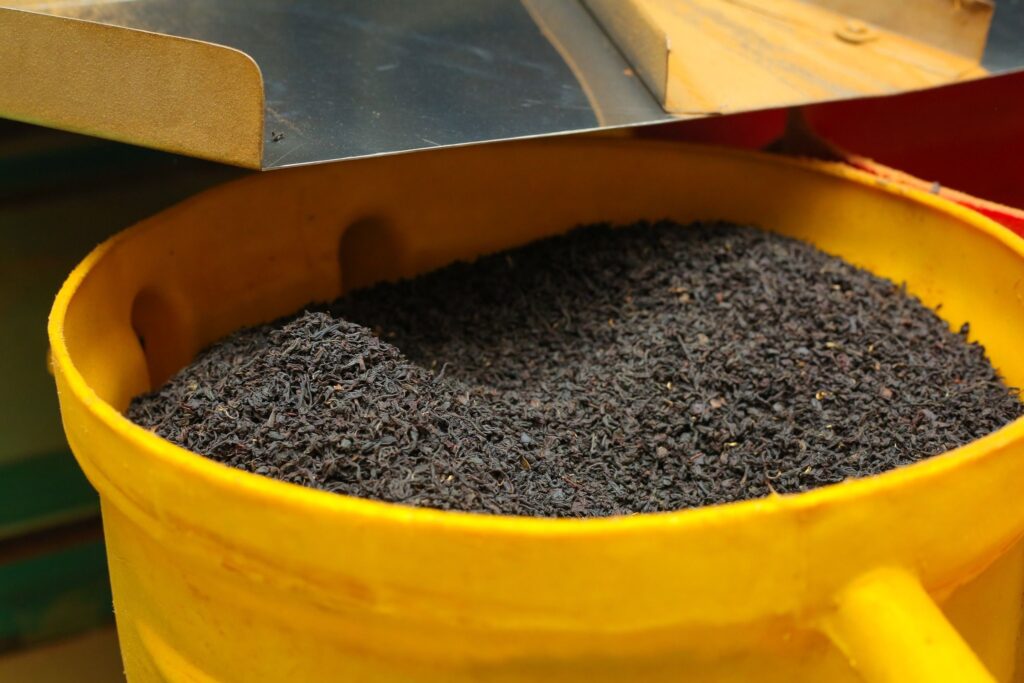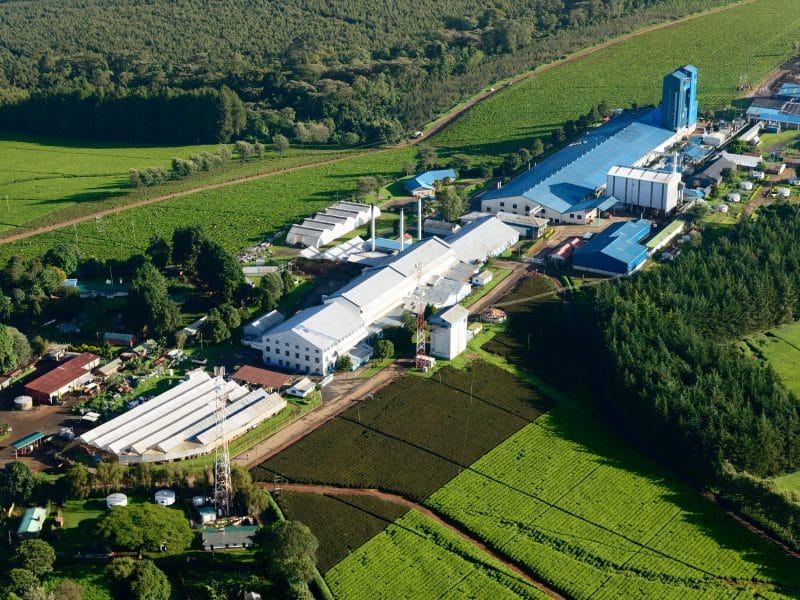
Kenya has stepped up efforts to secure better returns for its tea farmers by inviting U.S. firms to package Kenyan tea locally at the source. Speaking at the North America Tea Conference in South Carolina, Agriculture and Livestock Development Cabinet Secretary Mutahi Kagwe emphasized that packaging at origin enhances freshness, ensures traceability, and reduces unnecessary costs in the global supply chain. This bold approach, he argued, will not only boost farmer earnings but also cement Kenya’s leadership in the international tea market.
The government has deliberately positioned this move as part of a wider agricultural reform strategy to deliver greater value addition to primary products. By removing taxes on packaging materials, exporters are empowered to package tea within Kenya in line with international standards. This guarantees that farmers directly benefit from improved market competitiveness and higher price margins, as opposed to losing value when raw tea is shipped overseas for further processing.
CS Kagwe noted that local packaging ensures tea reaches shelves abroad with superior quality, while buyers enjoy full transparency on sourcing and production standards. With global consumers increasingly demanding traceability and sustainability, this shift comes at a timely moment. It creates a win-win scenario where farmers earn more and Kenya strengthens its reputation as a trusted supplier of premium tea.
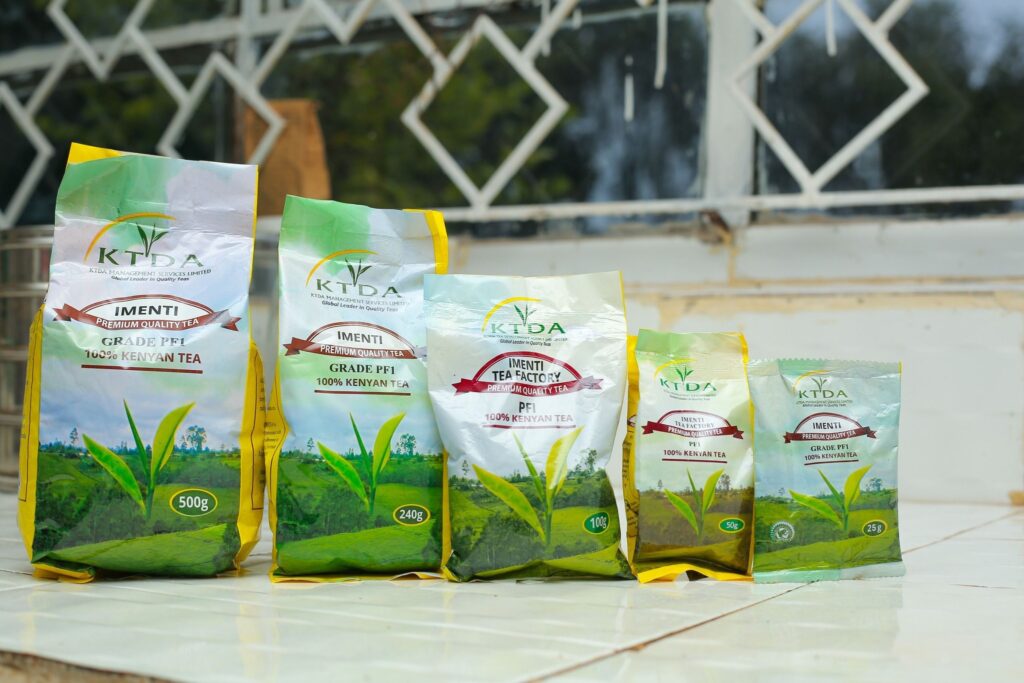
This approach reflects a deliberate government policy of ensuring farmers are the ultimate winners in value-chain reforms. Tea, being Kenya’s top foreign exchange earner, has long suffered from underexploitation in terms of value addition. By ensuring that packaging and branding happen locally, farmers move from being price takers to key beneficiaries of the premium margins in export markets. It is a game-changing model that should be replicated in other agricultural sub-sectors such as coffee, horticulture, and livestock products.
The numbers already show the sector’s potential. Kenya produced 598.47 million kilograms of tea last year, recording a 4.95 percent growth fueled by favorable weather, subsidized fertilizers, and expanded processing. With stronger policies on value addition, this production surge can translate into exponential earnings for farmers instead of mere volumes benefiting middlemen abroad. Kagwe’s trade mission thus signals a deliberate government effort to link production gains to improved incomes.
Ultimately, this move underscores Kenya’s commitment to transform agriculture into a farmer-centered, high-value sector. By embracing value addition and attracting foreign investment in local packaging, the government sets a blueprint for agricultural transformation. Replicating this model across other crops will not only uplift farmers but also accelerate Kenya’s journey toward becoming a globally competitive agribusiness hub.