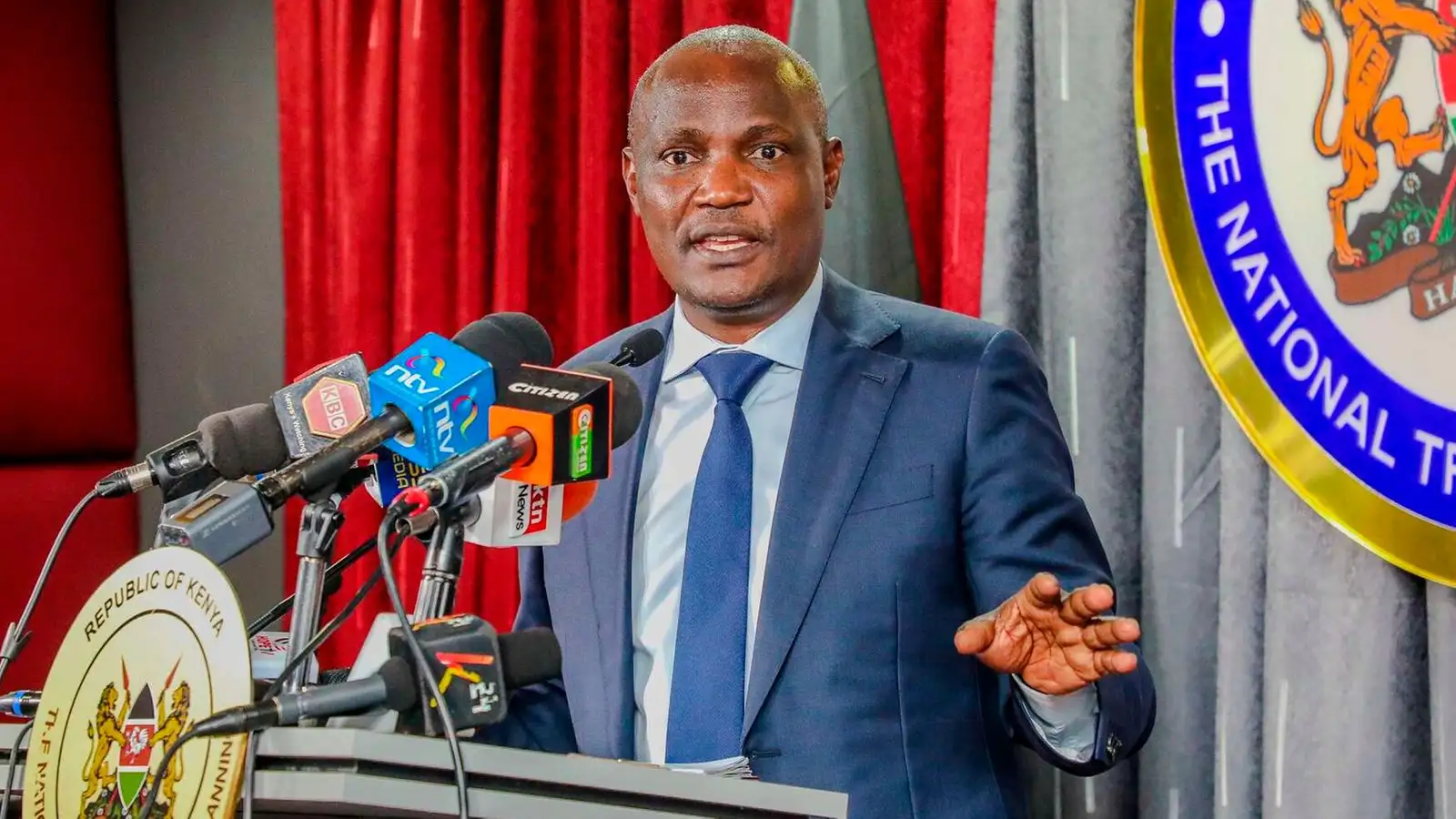
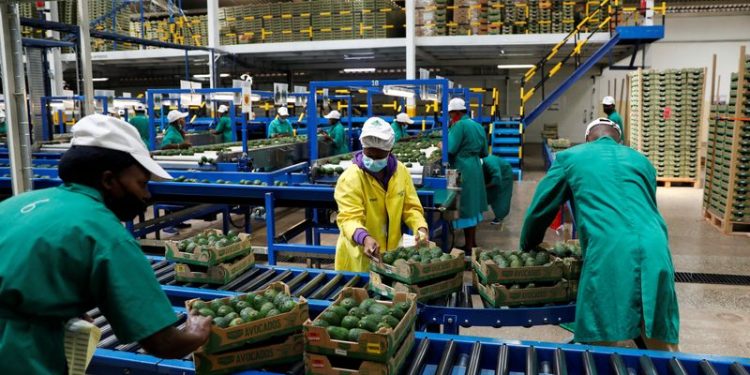
Kenya’s economy is showing resilience, with Treasury Cabinet Secretary John Mbadi affirming that strong export growth and prudent fiscal management are driving performance. Speaking during ongoing budget preparations at the Kenyatta International Conference Centre (KICC) on Monday, August 25, 2025, Mbadi noted that Kenya had earlier this year made a timely Eurobond repayment, eliminating potential risks that could have weighed heavily on the country’s financial stability. He underscored that the country’s external trade performance has been central to sustaining economic momentum.
Mbadi highlighted that the 2026/27 budget is being developed against a backdrop of global uncertainties, including trade restrictions, rising borrowing costs, and policy unpredictability in major economies. He explained that these conditions would inevitably impact Kenya’s fiscal planning, forcing the government to eliminate inefficiencies and tighten spending. According to Mbadi, enhancing resource allocation while reducing waste is key to shielding the economy from external shocks.
The Treasury CS assured citizens that fiscal policy remains anchored on inclusivity, with public participation central to budget-making. He emphasized that the government would continue to incorporate citizens’ views in setting spending priorities to ensure alignment between resource allocation and public expectations. This approach, he said, is critical in balancing the competing needs of development financing, debt obligations, and social services.
Backing Mbadi’s remarks, President William Ruto recently noted that Kenya’s overall economic environment is favorable for investment. Speaking at the Ninth Tokyo International Conference on African Development (TICAD 9) in Yokohama City, Japan, on August 22, 2025, Ruto said that the government has instituted reforms to attract international companies. He pointed out that over 120 Japanese firms are currently operating in Nairobi across diverse sectors such as manufacturing and construction, evidence that Kenya’s economy continues to inspire investor confidence despite the prevailing political climate.
At the same time, the Central Bank of Kenya (CBK) confirmed that the Kenya Shilling has remained largely stable for several months against global and regional currencies. In its Weekly Bulletin for the period ending August 21, 2025, the CBK reported that the shilling held firm against the US dollar, Sterling Pound, Euro, Japanese Yen, and regional units, including the Ugandan and Tanzanian shillings. The currency’s stability is viewed as a positive indicator for trade and investment flows.
The CBK attributed this resilience to healthy foreign exchange reserves, which stood at USD 11.037 billion, equivalent to 4.8 months of import cover, above the statutory threshold of four months. The reserves, the CBK noted, serve as a critical buffer against external economic shocks, safeguarding the local unit and ensuring confidence among traders and investors. On August 21, the shilling traded steadily at Ksh129.24 per US dollar, unchanged from the previous week despite global turbulence.

With exports expanding, reserves strengthening, and the shilling stable, Kenya’s economy has shown strong fundamentals even as the global outlook remains uncertain. While challenges such as rising living costs and debt sustainability continue to generate debate, government officials maintain that disciplined fiscal planning, a favorable investment climate, and export growth will be crucial pillars in sustaining economic performance in the coming years.