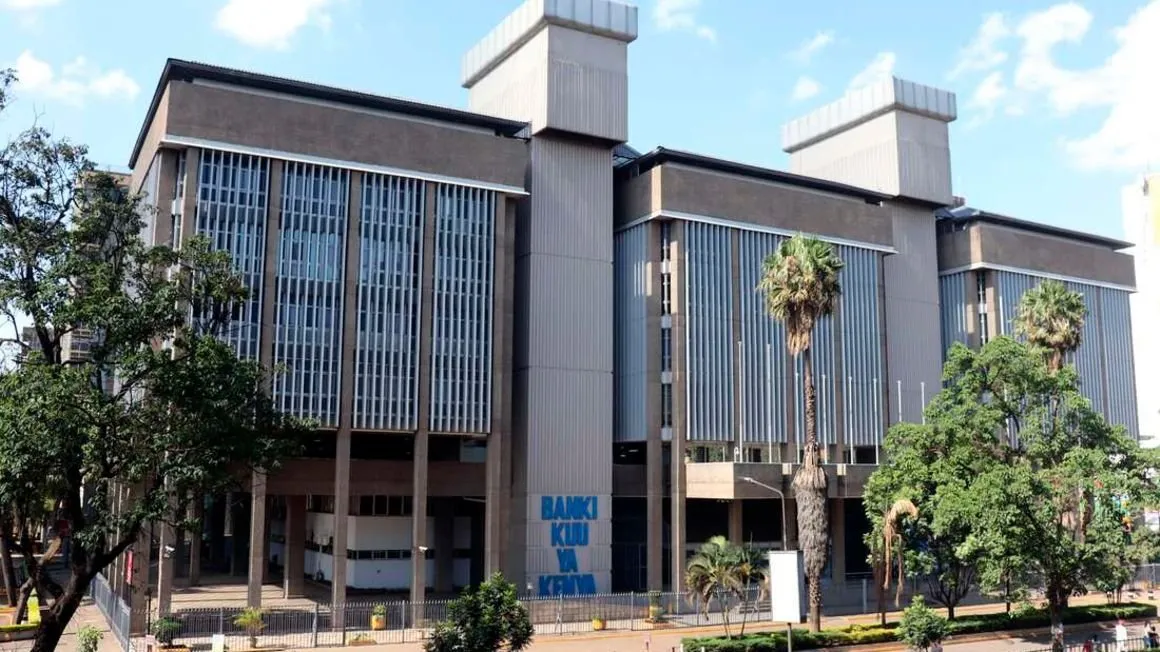
The Central Bank of Kenya (CBK) has once again lowered its benchmark lending rate, marking the seventh consecutive reduction in its monetary policy stance. At its August 12 meeting, the Monetary Policy Committee (MPC) announced a 25 basis point cut, reducing the Central Bank Rate (CBR) from 9.75 percent to 9.50 percent. This decision was largely anticipated by analysts, aligning with the median forecast in a Reuters poll, and reflects the bank’s confidence in the country’s macroeconomic stability.
CBK Governor Kamau Thugge stated that the rate adjustment was informed by the need to further stimulate lending to the private sector while maintaining inflation within the target range. Kenya’s inflation stood at 4.1 percent in July, slightly up from 3.8 percent in June but well within the preferred band of 2.5 to 7.5 percent. This stability in consumer prices has created room for more accommodative monetary policy, aimed at spurring investment and economic growth.
The MPC highlighted several positive indicators underpinning this decision, including adequate foreign exchange reserves—sufficient to cover 4.8 months of imports—a narrowing current account deficit, and a stable banking sector. Kenya’s current account deficit for 2024 is projected at 1.5 percent of GDP, compared to 1.3 percent last year, reflecting improved export performance and moderated import demand. These fundamentals suggest that the economy is on a steady trajectory toward resilience.
Private sector lending, a critical driver of job creation and industrial expansion, is expected to benefit significantly from the rate cut. Already, commercial banks are beginning to adjust their lending rates in line with CBK guidance. For instance, Diamond Trust Bank recently lowered its shilling-denominated loan rates from 14.41 percent to 14.21 percent per annum. Lower borrowing costs are anticipated to stimulate investment in key sectors such as manufacturing, agriculture, and services.
The CBK maintained its economic growth forecast at 5.2 percent for 2024 and 5.4 percent for 2025, signaling confidence in the nation’s recovery momentum. This outlook is supported by ongoing infrastructure development, increased agricultural output due to favorable weather conditions, and a steady rebound in tourism. Such growth prospects reinforce the notion that Kenya’s economy is firmly on the right track despite challenges in public debt management.
While the government continues to navigate fiscal pressures from heavy debt repayments and occasional revenue shortfalls, the CBK’s policy stance offers an opportunity to balance growth stimulation with macroeconomic discipline. Analysts believe that if inflation remains contained and private sector credit expands, Kenya will be better positioned to achieve sustainable economic progress.
In conclusion, the seventh consecutive rate cut by the Central Bank of Kenya reflects a deliberate strategy to bolster economic activity while safeguarding price stability. With inflation under control, foreign reserves robust, and growth forecasts steady, Kenya is demonstrating that it has the right policy mix to steer the economy forward. The challenge now will be to sustain this momentum by ensuring that credit flows translate into tangible investment, job creation, and long-term prosperity.