Agriculture remains central to the Bottom-Up Economic Transformation Agenda (BETA), envisioned by the Kenya Kwanza administration as a vehicle to boost food security, create jobs, and improve rural livelihoods. With a focus on sustainable productivity, the Ministry of Water, Sanitation and Irrigation is implementing transformative projects aimed at optimizing the country’s agricultural potential, particularly through irrigation-based farming systems.
A prime case of this agenda in action is the ongoing rehabilitation and expansion of the Buruma Irrigation Scheme in Taita Taveta County. The project, executed under the broader Bura Irrigation Development Project, is transitioning the scheme from a costly, pump-reliant model to a gravity-fed irrigation system. This shift aims to enhance water use efficiency, reduce operational costs, and allow for uninterrupted farming cycles throughout the year.
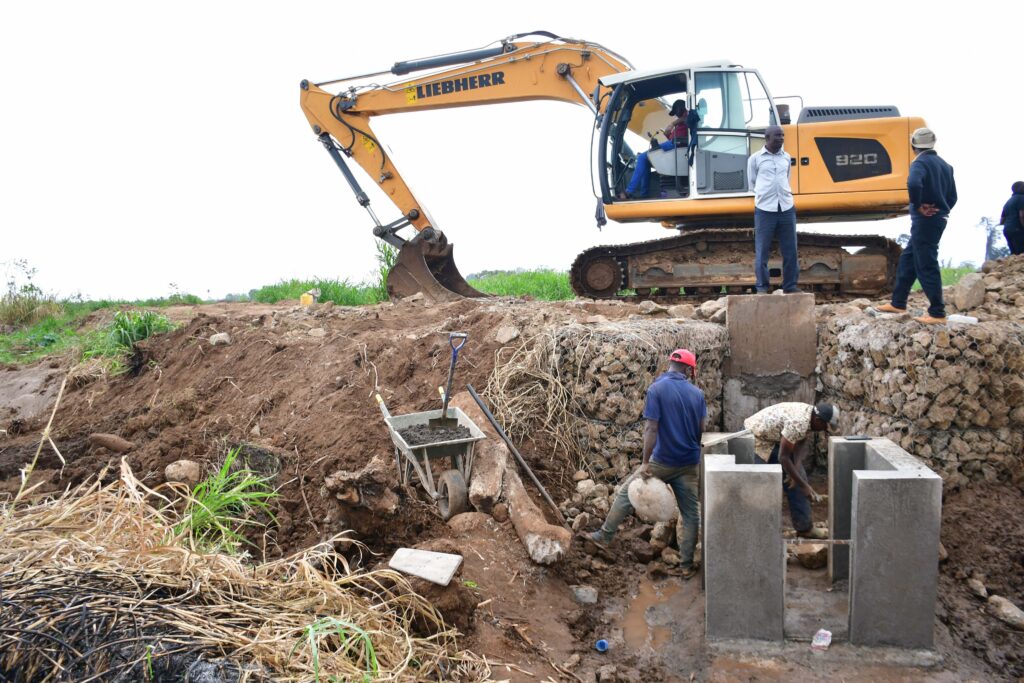
Through the National Irrigation Authority (NIA), the Ministry is undertaking major infrastructural upgrades, including comprehensive riverbank protection works stretching 12 kilometers, new water diversion structures, and sedimentation basins to control siltation and flooding. These enhancements are designed to ensure a reliable and controlled water supply to farming plots, directly improving crop yields and reducing climate vulnerability.
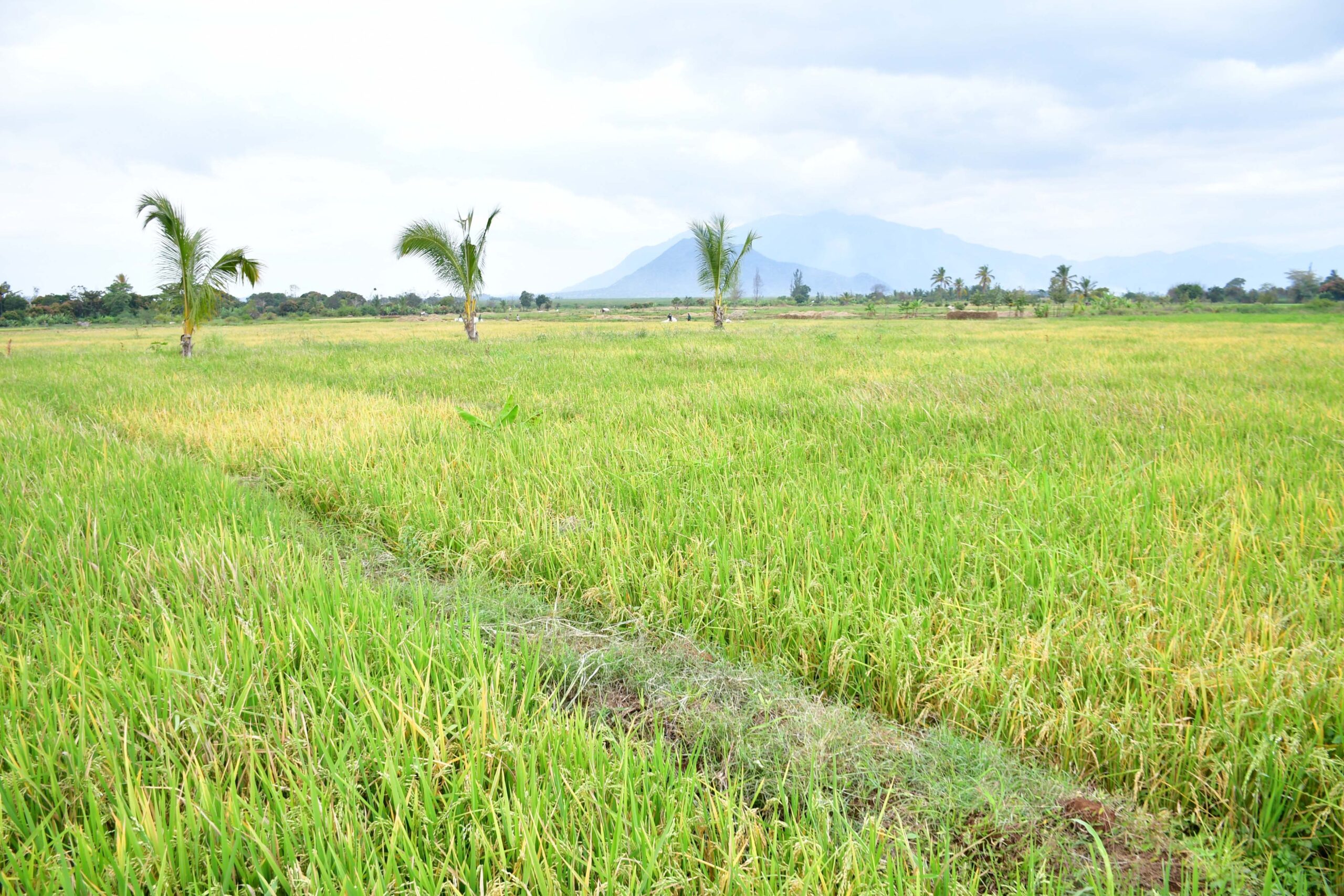
Currently, 1,200 acres are under development for rice farming in the Main Scheme Block. Early reports indicate an average harvest of 35 bags of rice per acre, a significant yield that not only boosts food supply but also increases incomes for local farmers. The scheme is expected to empower surrounding communities economically and serve as a model for similar projects nationwide.
Inspired by the success in Taita Taveta, the government is replicating this intervention in other counties including Kilifi, Kitui, Garissa, and parts of Western Kenya. These efforts reflect a broader strategy to decentralize agricultural development and tailor solutions to region-specific ecological and socioeconomic needs.
As the BETA programme progresses, the Ministry of Water and Irrigation continues to prioritize sustainable irrigation infrastructure as a catalyst for national development. By scaling up such initiatives, Kenya is poised to reduce dependence on rain-fed agriculture, enhance resilience to climate change, and move closer to achieving food self-sufficiency.