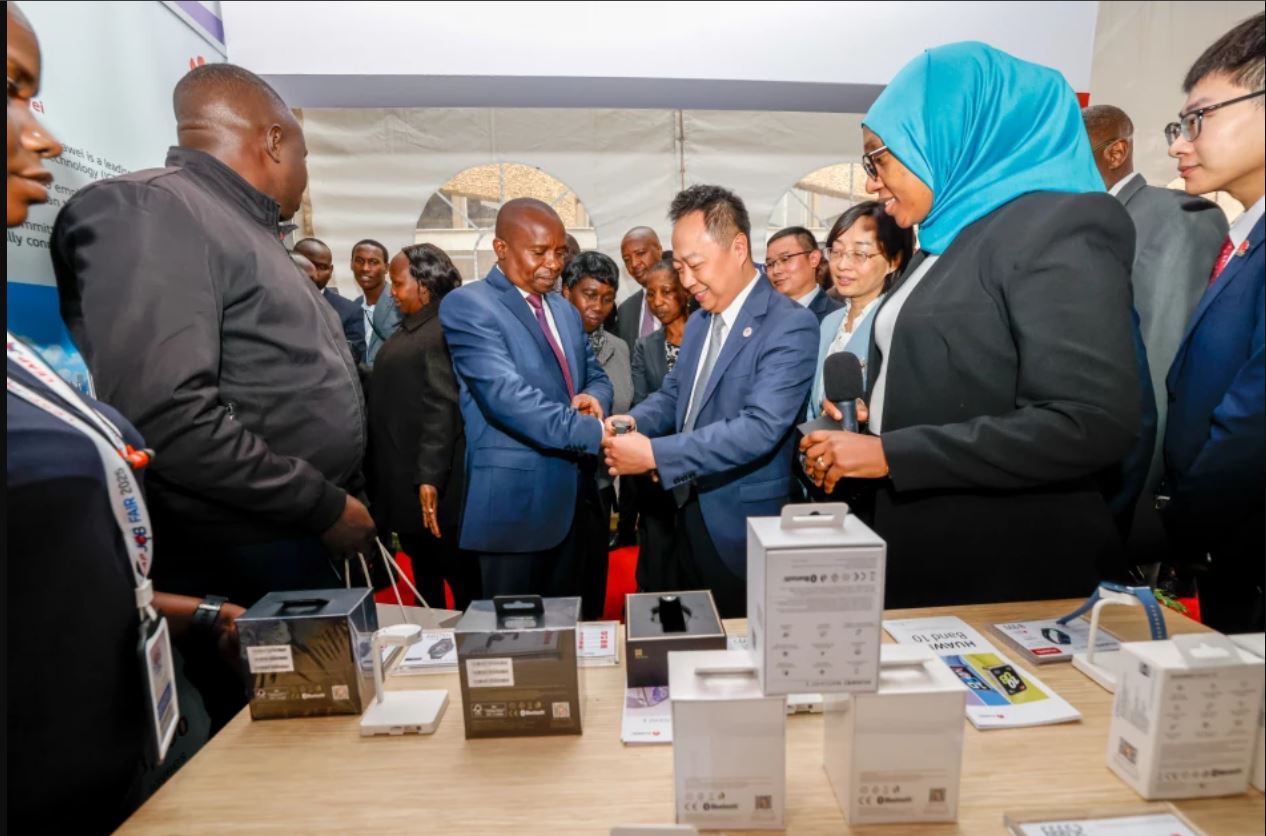
Deputy President Kithure Kindiki announced the government’s plan to expand partnerships with global technology companies to unlock thousands of job opportunities for young Kenyans. Speaking at the Huawei LEAP Job Fair 2025 held at the University of Nairobi, Kindiki underscored that technology must become central to Kenya’s long-term solution for youth unemployment and economic transformation.
Kindiki emphasized that empowering the next generation is not simply a national responsibility but a strategic investment in the country’s future competitiveness. By collaborating closely with global technology giants like Huawei, Kenya aims to offer young people practical skills, digital training, and direct pathways to employment. These initiatives will address the most urgent challenge facing youth: limited access to decent jobs and sustainable incomes.
Highlighting Africa’s demographic advantage, the Deputy President noted that the continent’s youthful population can become a powerful driver of innovation and economic growth. With an average age of only nineteen, Africa holds what he described as a pivotal position to influence global technological advancement. For Kenya, this means tapping into the creative energy and ambition of its youth to propel the digital economy forward.
Kindiki pointed to a multi-pronged government strategy to tackle unemployment that combines vocational training, digital skills development, and improved access to online and remote work. These efforts are designed to equip Kenyan youth with competencies that match the demands of a rapidly evolving global market. Such measures can help shift young people from being passive job seekers to active creators of economic value.
At the core of his message was the importance of breaking away from outdated models that rely solely on government intervention. Kindiki argued that the distinction between public and private action is increasingly blurred and should be embraced rather than resisted. By drawing on the innovation and resources of private technology companies, Kenya can advance its economic goals more efficiently and inclusively.
This partnership-focused approach has clear short-term and long-term benefits. In the short term, collaborations with firms like Huawei will directly open internships, mentorship programs, and entry-level jobs, helping thousands of young Kenyans gain industry exposure and develop in-demand skills. For the youth, these opportunities mean practical work experience, professional networks, and renewed confidence in their economic future.
The longer-term impact could reshape Kenya’s economic landscape. A workforce fluent in digital technologies can attract more foreign direct investment and encourage homegrown entrepreneurship, which will, in turn, create even more jobs. This cycle supports the broader vision of making Kenya a technology hub in the region, with benefits that reach beyond the capital to rural areas, where digital tools can help small businesses access larger markets.
Kindiki also drew attention to the social dimensions of unemployment. Without meaningful job prospects, young people often face frustration, hopelessness, or exposure to crime and substance abuse. By investing in digital skills and private-sector partnerships, the government is working to restore hope and provide a constructive alternative for the nation’s youth.
Beyond employment, this digital-first strategy can drive economic diversification, foster resilience against external shocks, and modernize sectors such as agriculture, health, and education. As young professionals build careers in technology and related fields, they contribute to a knowledge-based economy that is less vulnerable to commodity price fluctuations and more agile in responding to global trends.
The Deputy President’s remarks also highlighted Kenya’s readiness to lead rather than follow in Africa’s digital transformation. By preparing its youth today, the country positions itself to shape regional innovation, influence policy, and participate in global technology value chains.
This vision aligns with global developments where technology is not just about software or devices but a foundation for inclusive growth, productivity, and governance reform. Kenya’s proactive stance ensures it can capture these benefits rather than risk falling behind.
Ultimately, the message from the Huawei LEAP Job Fair 2025 was that Kenya is committed to ensuring its young people do not just find jobs but help create them. Through stronger public-private partnerships and a focus on digital skills, the country is building an economy where its youth are central to shaping tomorrow’s opportunities.

Kenya and Bangladesh are stepping up efforts to expand trade, investment and technical cooperation, with Nairobi seeking to establish a resident diplomatic mission in Dhaka and open new...
Read moreDetails