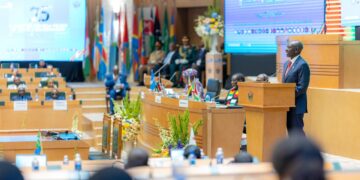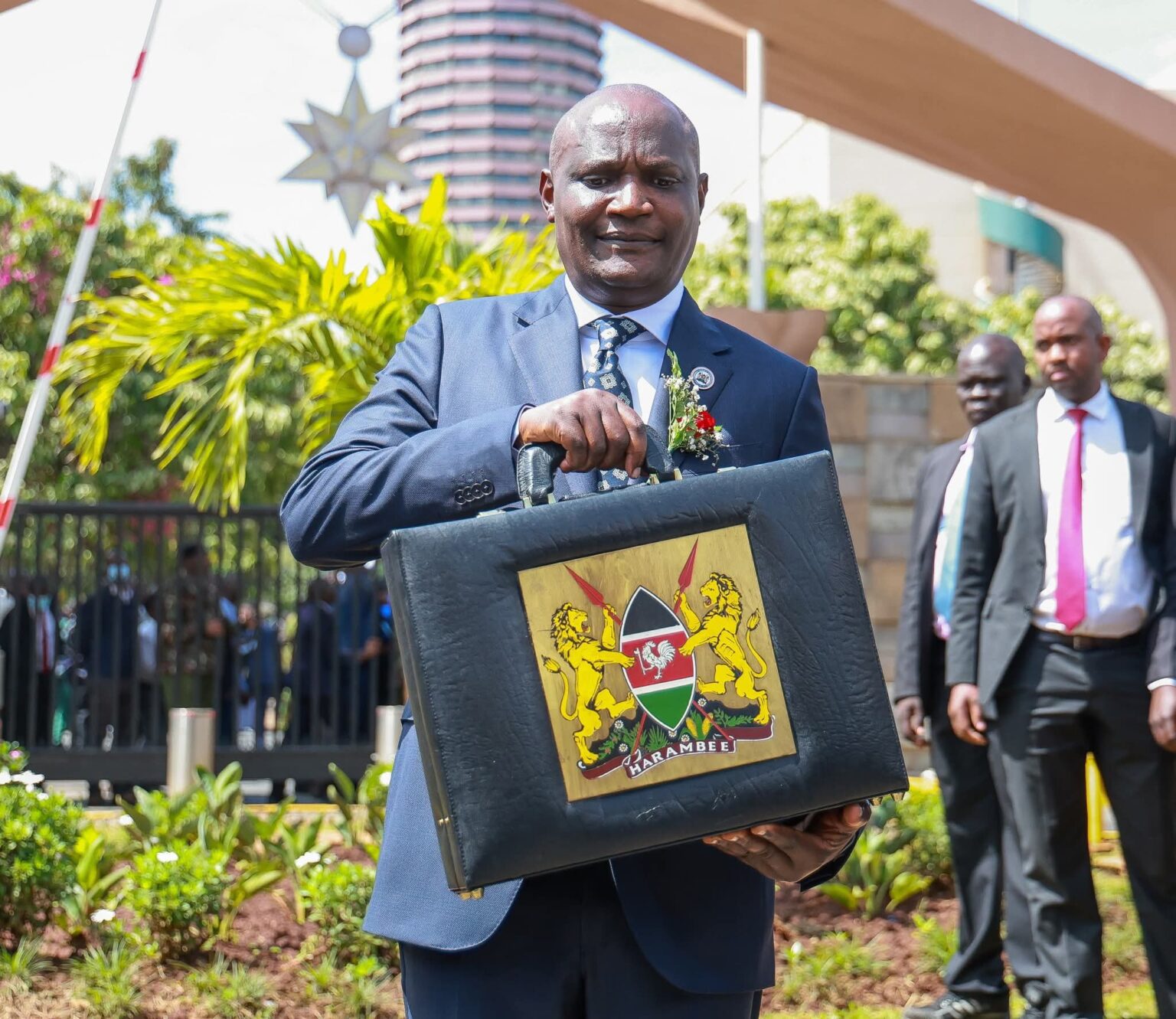
In his first budget presentation since assuming office, Treasury Cabinet Secretary John Mbadi on Thursday unveiled a Sh4.2 trillion national budget for the 2025/26 financial year before Parliament. The ambitious fiscal plan aims to raise Sh3.3 trillion in revenue, primarily from taxes and government levies, while bridging a Sh900 billion deficit through a mix of domestic borrowing, external loans, and donor grants. Mbadi reaffirmed the government’s commitment to prudent fiscal management, setting recurrent expenditure at Sh3.1 trillion, development expenditure at Sh725.1 billion, and allocating Sh436.7 billion to county governments.
The education sector remains a top priority, receiving the largest allocation of Sh701 billion. This includes Sh377 billion earmarked for teacher salaries and Sh55 billion for the free day secondary school programme. Notably, this budget cycle introduces no new taxes, a marked departure from last year’s controversial Finance Act. “The message from Kenyans was clear,” Mbadi declared, referencing the nationwide protests in 2024. He paused his speech for a moment of silence to honour lives lost during the demonstrations, affirming that the new fiscal policy reflects a listening and responsive government.
To offset the need for new tax measures, the 2025 Finance Bill focuses on reforms, compliance improvements, and rationalisation of tax incentives. Mbadi projected that these strategies will generate Sh30 billion in additional revenue. He expressed concern over rising tax expenditures — from Sh393.1 billion in 2022 to Sh510.6 billion in 2023 — and pledged to streamline exemptions and incentives to promote fairness and efficiency. “We are working to eliminate distortions in the tax system while reducing the overall tax burden,” he noted.
A raft of sectoral reforms was also announced to support local industries and stimulate economic recovery. The CS highlighted reduced import duties on tea packaging materials and wheat, extended duty remissions for key sectors, and a proposed cut in the digital asset tax from 3% to 1.5%. Measures to promote home ownership include expanding mortgage interest tax relief to cover self-constructed homes. Private sector workers will also benefit from higher subsistence allowances, aligning them with the public sector.
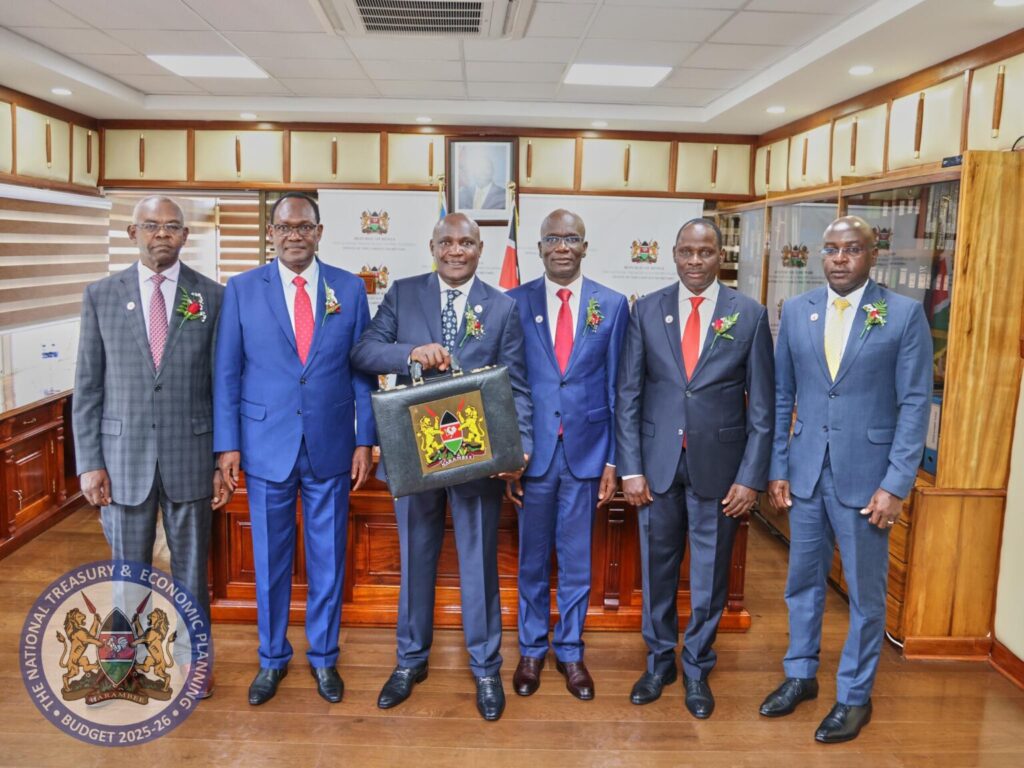
Positioning Kenya as a regional financial powerhouse remains central to the budget’s long-term vision. Mbadi proposed incentives under the Nairobi International Financial Centre, including lower corporate taxes and dividend exemptions for qualifying firms. Additional proposals include VAT and excise duty reforms, improved refund systems, and stricter enforcement on zero-rated goods. In conclusion, Mbadi called for national unity in economic recovery efforts, asserting, “This budget reaffirms our commitment to policies that support growth, fairness, and accountability. The freedoms we enjoy in this country have not come easy.”