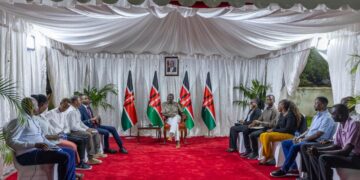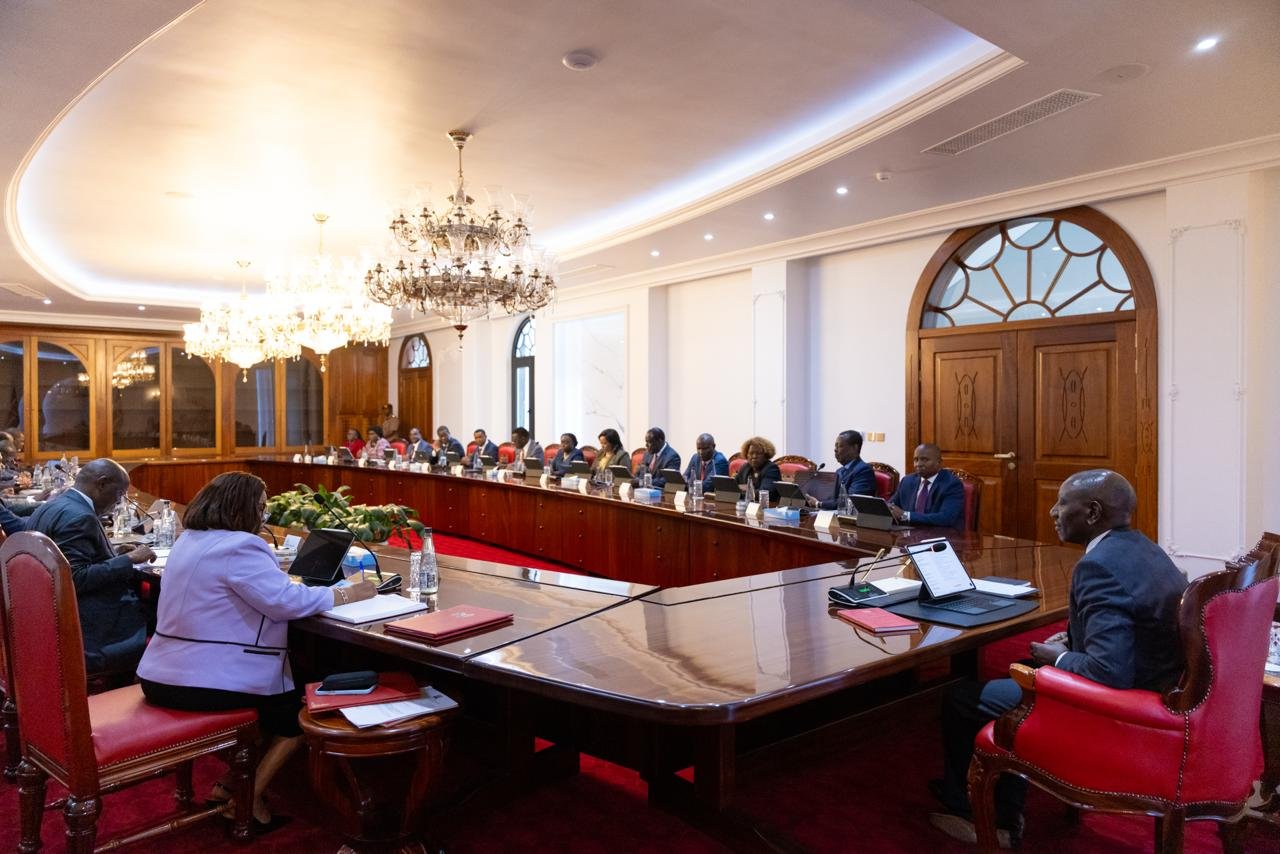
The Cabinet has approved a Ksh4.5 billion initiative to construct 10 Mother and Child hospitals across Kenya, marking a significant investment in strengthening maternal and neonatal healthcare. The decision, reached during a Cabinet meeting chaired by President William Ruto at State House, Nairobi, is expected to enhance access to quality healthcare services for mothers and newborns while addressing longstanding gaps in maternal and child health across the country.
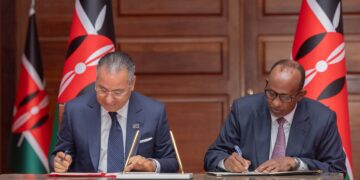
Dubbed the Mother and Child Lifeline Initiative, the programme is a partnership between the Government of Kenya and the Amsons Group. It will see the construction of 10 Level 4 and Level 5 hospitals in Magadi Road (Nairobi), Galmagalla in Fafi (Garissa), Siakago (Embu), Kisumu County Referral Hospital, Kabichbich (West Pokot), Huruma (Uasin Gishu), Tudor (Mombasa), Bahati (Nakuru), Samburu (Kwale), and Chebunyo (Bomet). The strategic distribution of the facilities is expected to improve access to specialized healthcare services, particularly in underserved and remote regions.
The new hospitals are expected to play a critical role in reducing maternal and infant mortality by providing timely access to skilled birth attendants, emergency obstetric care, neonatal intensive care services, and essential reproductive health services. Many women currently travel long distances to access such services, contributing to delays that often result in preventable maternal and newborn deaths. The initiative seeks to bridge these gaps by bringing quality healthcare closer to communities.
Beyond improving access, the hospitals will strengthen preventive and postnatal care for mothers and children. Enhanced antenatal clinics, immunization services, nutrition programmes, newborn screening, and child growth monitoring will contribute to healthier pregnancies and improved childhood development. Early detection and management of pregnancy complications and childhood illnesses are expected to significantly improve long-term health outcomes.
The Mother and Child Lifeline Initiative complements the Ksh7.8 billion second phase of the Kenya-Austria Mother and Child–Our Future Project, which aims to modernize maternal and neonatal care at Kenyatta National Hospital. Together, the two programmes are expected to expand specialized healthcare services, improve referral systems, and build a stronger healthcare workforce capable of meeting the growing demand for maternal and child healthcare across the country.
In addition to infrastructure development, the Cabinet endorsed the Kenya–United States Health Cooperation Framework, which seeks to sustain collaboration in combating HIV, malaria, tuberculosis, and emerging infectious diseases. The framework will strengthen disease surveillance, laboratory services, digital health systems, and medical supply chains, further enhancing the country’s capacity to deliver quality healthcare services.
The cooperation framework also provides for the gradual integration of more than 13,000 frontline health workers currently supported by the United States into Kenya’s public health workforce. This move is expected to boost staffing levels in health facilities, improve service delivery, and ensure continuity of essential healthcare programmes as Kenya advances towards a more self-reliant and resilient health system.
The Cabinet also approved several policy and legislative measures aimed at strengthening the protection of vulnerable families, including the Kenya Children Policy, 2025, the Protection Against Domestic Violence (Amendment) Bill, 2026, and the report of the Presidential Technical Working Group on Gender-Based Violence and Femicide. Collectively, these initiatives underscore the government’s commitment to safeguarding the health, wellbeing, and rights of women and children while laying the foundation for healthier families and stronger communities.