The transformation of Kamukunji Grounds into the modern Kamukunji Recreation Park marks a significant milestone in Kenya’s urban development and national heritage preservation. The 7.27-acre site, revered as the birthplace of the country’s multi-party democracy following the historic Saba Saba rally of 1990, has been carefully redeveloped to preserve its rich political legacy while providing modern recreational and social amenities that meet the needs of Nairobi’s growing population. The project demonstrates the government’s commitment to safeguarding Kenya’s democratic history while investing in facilities that promote social cohesion and economic growth.
Politically, Kamukunji Grounds occupies a unique place in Kenya’s history as one of the nation’s most iconic public spaces. It served as the venue where pro-democracy leaders and citizens gathered to demand political reforms, laying the foundation for the country’s transition to multi-party democracy. By preserving the site’s historical identity through the new recreation park, Kenya ensures that future generations will continue to appreciate the sacrifices and aspirations that shaped the nation’s democratic journey. The redevelopment reinforces Kamukunji’s status as a national heritage site where civic engagement, public dialogue, and national unity can continue to flourish.
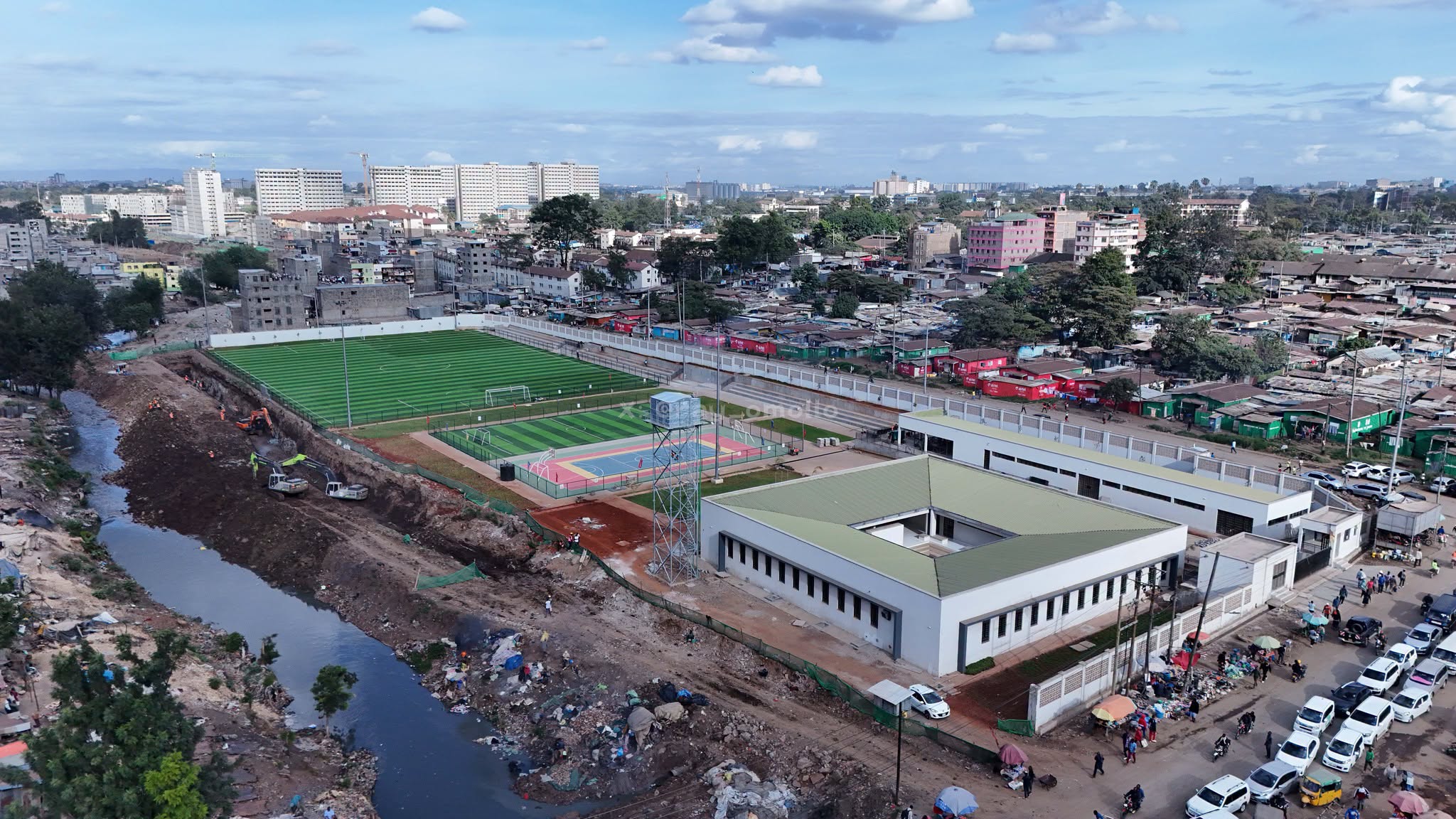
Beyond its historical significance, the upgraded park represents a major investment in Nairobi’s social and economic development. The facility now boasts world-class amenities, including an 11-a-side football pitch, a 7-a-side football field, basketball courts, a boxing ring, an amphitheatre, landscaped gardens, children’s play areas, paved walkways, and solar-lit open spaces. These facilities provide residents with safe, accessible spaces for recreation, fitness, community gatherings, and cultural activities, greatly enhancing the quality of life for Nairobi’s citizens.
One of the park’s most transformative features is its strong focus on youth empowerment. The community centre, equipped with a modern library, Information Technology laboratory, and recording studio, creates valuable opportunities for learning, innovation, digital skills development, and creative talent. Young people can now access educational resources, technology, sports facilities, and artistic platforms within one integrated public space, helping nurture future leaders, entrepreneurs, athletes, and creatives while steering many away from crime, drug abuse, and other social challenges.
The park is also expected to stimulate significant economic activity within Nairobi. Increased visitor traffic will create business opportunities for local traders, food vendors, transport providers, artisans, and service providers operating around the area. Sporting competitions, cultural festivals, public forums, and community events hosted at the amphitheatre will attract visitors from across the city, generating income for surrounding businesses and contributing to the local economy. Such investments demonstrate how well-planned public infrastructure can serve both social and economic development objectives.
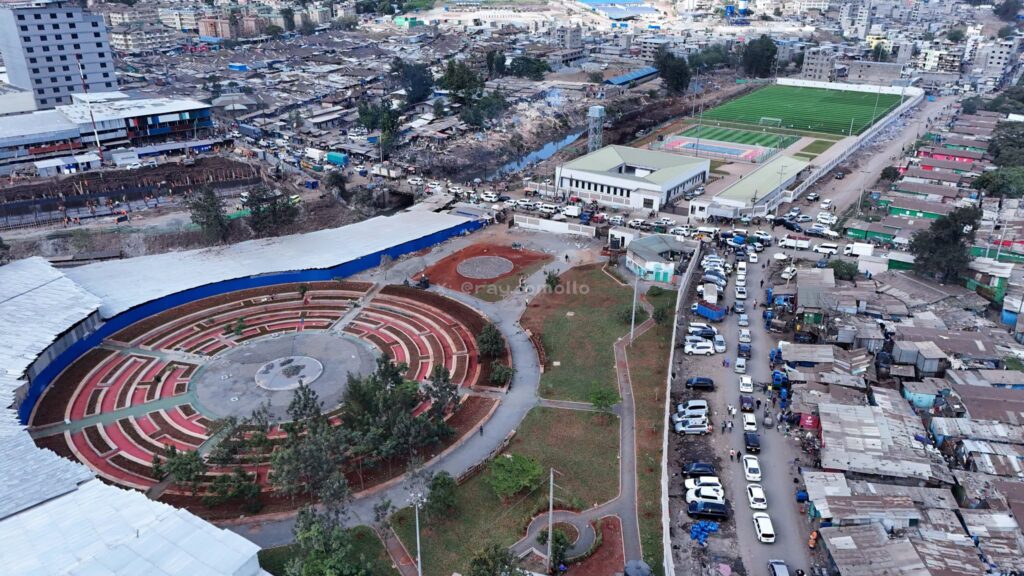
Environmental sustainability has equally been integrated into the redevelopment through improved drainage systems, retaining walls, and enhanced flood mitigation measures as part of the Nairobi Rivers regeneration programme. These interventions will reduce the recurring flooding challenges that previously affected the area while protecting surrounding communities and public infrastructure. The addition of landscaped green spaces and solar-powered lighting further supports environmental conservation, promotes public safety, and creates an attractive urban environment for residents and visitors alike.
The government’s decision to have the State Department for Internal Security and National Administration support the management of the facility underscores the importance of ensuring proper security, maintenance, and coordinated oversight. This approach will help safeguard the park as both a protected national heritage site and a vibrant public space where citizens can safely engage in sports, recreation, education, cultural expression, and civic activities. Continuous maintenance will ensure that the investment delivers lasting benefits for generations to come.
Ultimately, the transformation of Kamukunji Grounds into Kamukunji Recreation Park represents far more than an infrastructure project. It is a symbol of Kenya’s democratic journey, an investment in youth empowerment, a catalyst for local economic growth, and a model for sustainable urban renewal. By preserving one of the nation’s most significant historical landmarks while equipping it with modern facilities, the government has created a lasting legacy that honours Kenya’s past while providing opportunities that will shape a stronger, more united, and prosperous future for Nairobi’s residents and the country as a whole.