The Kenyan government has intensified efforts to restore the heavily polluted Nairobi River through a multi-billion-shilling sewer infrastructure upgrade under the broader Nairobi River Regeneration Programme. The ambitious initiative seeks to transform the river from a polluted drainage channel into a cleaner ecological corridor capable of supporting urban renewal, environmental sustainability and improved public health in the capital.
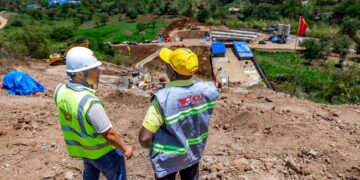
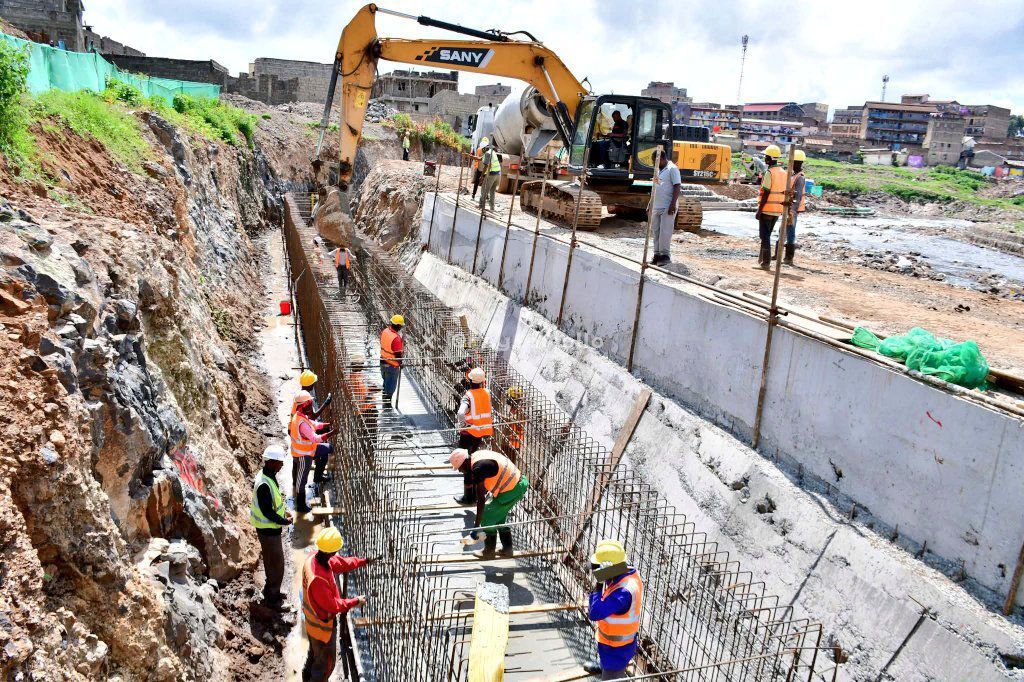
At the centre of the project is the construction of modern sewer trunk lines designed to significantly improve wastewater management across Nairobi. According to the Nairobi Rivers Commission, the project includes the development of extensive high-capacity sewer systems running along the river corridor to stop the direct discharge of untreated waste into the river network.
Nairobi Rivers Commissioner Mumo Musuva noted that Nairobi’s current sewer infrastructure, constructed in the 1970s when the city’s population stood at nearly one million people, has become overstretched and incapable of handling the demands of a rapidly expanding metropolis now estimated to host more than five million residents. The ageing system has contributed heavily to sewage overflows, environmental degradation and increased health risks for communities living along the river basin.
The project will involve the construction of approximately 56 kilometres of sewer trunks along major sections of the Nairobi River and its tributaries. Once complete, the upgraded infrastructure is expected to handle up to 310 million litres of wastewater daily before redirecting it to designated treatment plants for proper processing. Authorities believe the intervention will drastically reduce pollution levels and improve sanitation across Nairobi.
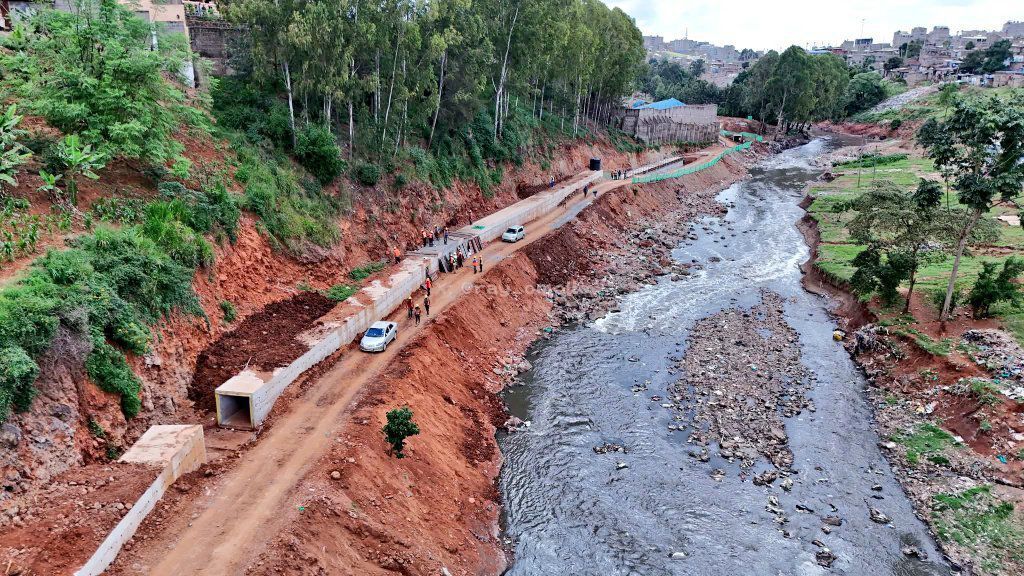
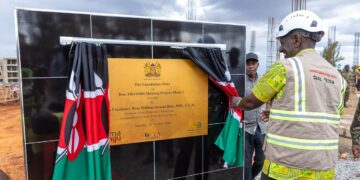
The Nairobi River restoration initiative forms part of the larger KSh50 billion Nairobi River Regeneration Programme launched by President William Ruto in 2025. The programme integrates environmental conservation, urban redevelopment and infrastructure modernization while also targeting job creation and improved living standards for residents residing near river corridors. Government projections indicate the initiative could create tens of thousands of employment opportunities through clean-up activities, sewer construction and housing projects.
Officials say years of uncontrolled urbanisation, illegal dumping, industrial waste disposal and weak enforcement of environmental regulations transformed the Nairobi River into one of the most polluted waterways in the region. Informal settlements located along riparian reserves have also lacked proper sanitation infrastructure, leading to continuous discharge of untreated waste into the river despite previous clean-up attempts.
Beyond environmental restoration, the government views the sewer upgrade as critical to addressing Nairobi’s chronic flooding challenges, which have repeatedly disrupted transport, businesses and residential areas during heavy rains. Authorities argue that modern sewer and drainage systems will improve water flow management, reduce blockages and strengthen the city’s resilience against climate-related disasters.
The government has maintained that the Nairobi River regeneration programme represents one of the most significant urban renewal projects undertaken in Kenya in recent years. Through coordinated efforts involving the Nairobi Rivers Commission, national government ministries, Nairobi County and development partners, the administration hopes to reclaim the river as a vital environmental and economic asset while restoring dignity and improving the quality of life for millions of Nairobi residents.