Kenya’s youth remain the country’s greatest asset, with their energy, skills, and creativity driving the nation’s vision for a better future. Recognizing this, the government has embarked on deliberate programmes to make the youth resourceful, productive, and central to national development. The youth, who are better educated, more knowledgeable, and more exposed than any previous generation, hold the promise of transforming Kenya’s socio-economic landscape if fully empowered.
Deputy President Prof. Kithure Kindiki has emphasized the government’s commitment to placing the youth at the center of development. On a charm offensive across the country, the DP has been engaging young people, underscoring that it is time for leaders to work for the people of Kenya. He has cautioned against youths being used negatively by selfish politicians or falling into the traps of opposition rhetoric designed for narrow political gain. Instead, he urged them to journey with the government of the day, which has their best interests at heart.
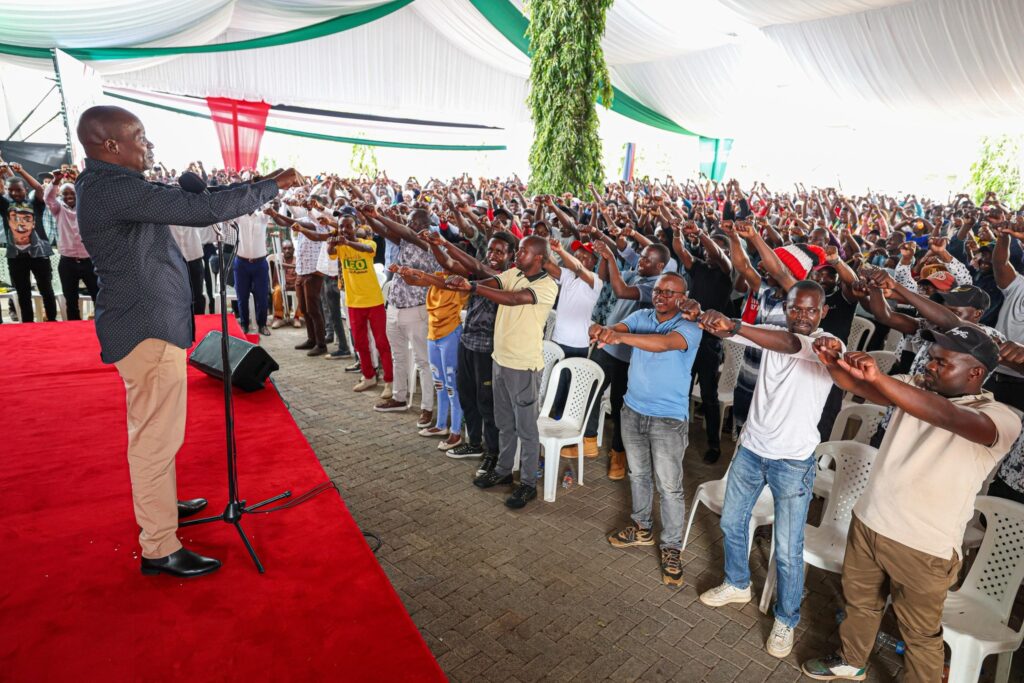
In a recent engagement, Prof. Kindiki hosted over 4,500 young people from Embu County, including university and college students, small business owners, artists, and those in informal sectors such as boda boda, tuk tuk, mitumba, and street vending. This inclusive forum highlighted the diverse contributions of young Kenyans across both formal and informal economies. It also provided a platform for them to showcase their aspirations, ideas, and input on how government policies can better support their growth.
The Deputy President updated the youth on various government programmes aimed at opening up opportunities. These include reforms in the education sector, support for the creative industry, digital jobs, housing, markets and hostel construction, and the NYOTA programme targeting micro and small enterprises. Additionally, labour mobility initiatives and overseas job placement programmes are creating pathways for young Kenyans to explore opportunities abroad while contributing remittances to the economy.
Other key interventions include the Kazi Mtaani Climate Worxs Programme, which is set to employ thousands of unskilled and semi-skilled youth in environmental conservation projects. Such programmes not only address unemployment but also harness youthful energy for climate resilience and sustainable development. Through these deliberate efforts, the government is steadily reducing the number of unemployed youth and narrowing the gap between graduates and labour market absorption.
Looking ahead, sustained focus on empowering the youth will be critical in realizing Kenya’s full potential. By creating opportunities for work, innovation, and enterprise, the government envisions a future where every young person can access resources to advance their lives. As Prof. Kindiki has reiterated, Kenya’s youth are not only the leaders of tomorrow but the builders of today, and investing in them is investing in the nation’s prosperity.