The Kenya Kwanza administration, under the leadership of President William Ruto, is accelerating an ambitious development agenda in Homa Bay County, placing infrastructure, economic empowerment and improved public services at the centre of its transformation strategy. Anchored on the Bottom-Up Economic Transformation Agenda (BETA), the government is deliberately investing in projects that unlock local economic potential, create employment opportunities and improve livelihoods. The approach seeks to move the county beyond historical political divisions by ensuring that development reaches communities across all eight constituencies.
At the heart of this transformation is a multi-billion-shilling development blueprint featuring more than 94 priority projects valued at over KSh60.9 billion. The investments are distributed across Karachuonyo, Kabondo Kasipul, Kasipul, Rangwe, Homa Bay Town, Ndhiwa, Suba North and Suba South constituencies. By prioritising infrastructure, transport, trade, healthcare and other essential services, the administration is addressing longstanding development gaps while positioning Homa Bay as an emerging economic hub in the Nyanza region. The strategy reflects President Ruto’s commitment to equitable development, ensuring that communities benefit from national resources irrespective of their political affiliations.
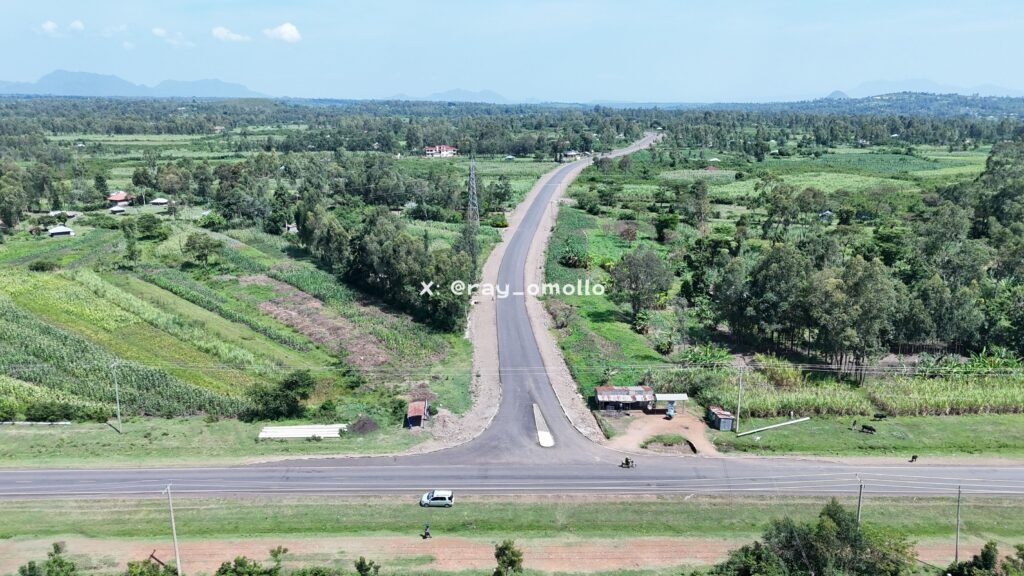
Infrastructure development remains a critical pillar of this agenda, with the upgrading of the Ruga–Lala (D1335) Road to bitumen standards in Homa Bay Town Constituency demonstrating the government’s commitment to opening up rural communities. Implemented through the Kenya Rural Roads Authority (KeRRA), the project will improve connectivity between the B2 Homa Bay–Mbita Road and the B144 Rodi Kopany–Sori Road. The improved route will provide an alternative passage around busy town centres, reduce travel time and vehicle maintenance costs, and make it easier for farmers and traders to transport agricultural produce to Homa Bay, Rodi Kopany and Mbita. It will also improve access to Kabunde Airstrip, stimulate businesses along the corridor and enhance the value of surrounding land. Beyond economic benefits, improved road networks will strengthen security and public administration by enabling government officers and security personnel to reach communities more efficiently.
The government is also positioning Homa Bay to take advantage of its strategic location along Lake Victoria through investments in the blue economy. The rehabilitation of Homa Bay Pier, alongside improvements to fish landing facilities such as Ichingo and Nyandiwa, is expected to strengthen water transport, expand fishing activities and improve access to regional markets. These interventions will enhance connectivity with neighbouring counties, including Kisumu, Siaya and Migori, while supporting wider trade links with Uganda and Tanzania. By modernising maritime infrastructure, the administration is seeking to reduce post-harvest losses, improve the earnings of fishing communities and unlock opportunities in tourism, maritime logistics and related industries.
Complementing these investments are improvements in aviation and road transport infrastructure. The modernisation of Kabunde Airstrip is expected to strengthen the county’s accessibility and support tourism, business travel and cargo movement. On the road network, the upgrading of rural roads, including the Adiedo–Namba Karabok route, and improvements to major urban transport corridors are intended to connect productive agricultural areas with commercial centres. These projects will lower transportation costs, improve movement of goods and services and encourage private investment. Collectively, the interventions demonstrate how infrastructure development under BETA is intended to connect local enterprises to wider economic opportunities.
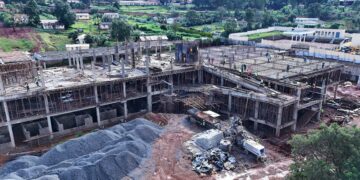
Small-scale traders and informal businesses are equally central to the government’s economic transformation strategy. Through a reported KSh3.5 billion commitment towards the construction of 21 modern markets across Homa Bay County, the administration is seeking to provide traders with safer, cleaner and more organised commercial spaces. Markets in areas such as Misambi, Kendu Bay, Kijebi, Rodi Kopany and Ndhiwa are among the projects intended to modernise local trading infrastructure. Facilities incorporating electricity, clean water and appropriate storage will improve the working environment for traders, strengthen agricultural value chains and create opportunities for small businesses to expand. These investments complement broader financial inclusion initiatives, including the Hustler Fund, which seeks to improve access to affordable credit for micro and small enterprises.
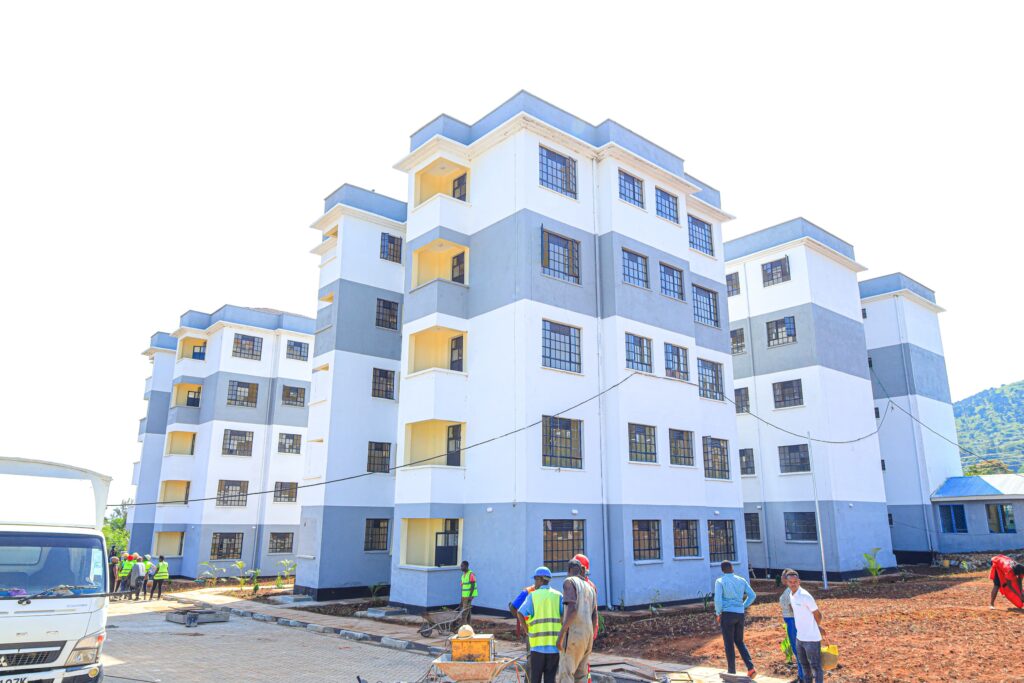
The development agenda also extends to housing, education and water provision, recognising that sustainable economic growth must be supported by investment in human capital and essential services. Through the Affordable Housing Programme, the government is expanding access to decent housing while generating employment opportunities for local construction workers, suppliers and artisans. Education investments, including additional classrooms and teacher recruitment, are supporting the implementation of the Competency-Based Education system and improving learning conditions. Meanwhile, water projects such as the Kendu Bay Water Supply initiative are expected to improve access to reliable water for households and businesses, strengthening public health and supporting productive economic activities.
Healthcare remains another important priority, with the transition from the former National Hospital Insurance Fund (NHIF) framework to the Social Health Authority (SHA) providing a new foundation for expanding access to affordable healthcare. Through increased registration, primary healthcare services and government interventions to address historical medical debts owed to public hospitals, the administration is seeking to reduce the financial burden on vulnerable households. Ultimately, the scale and diversity of investments taking place in Homa Bay demonstrate the Kenya Kwanza government’s determination to translate BETA commitments into tangible development outcomes. By prioritising infrastructure, markets, transport, healthcare, education and economic empowerment, President Ruto’s administration is positioning Homa Bay for greater prosperity while demonstrating that development must transcend political divisions and reach every community.