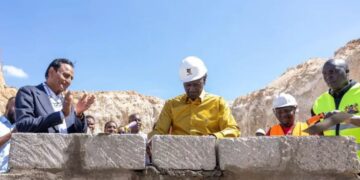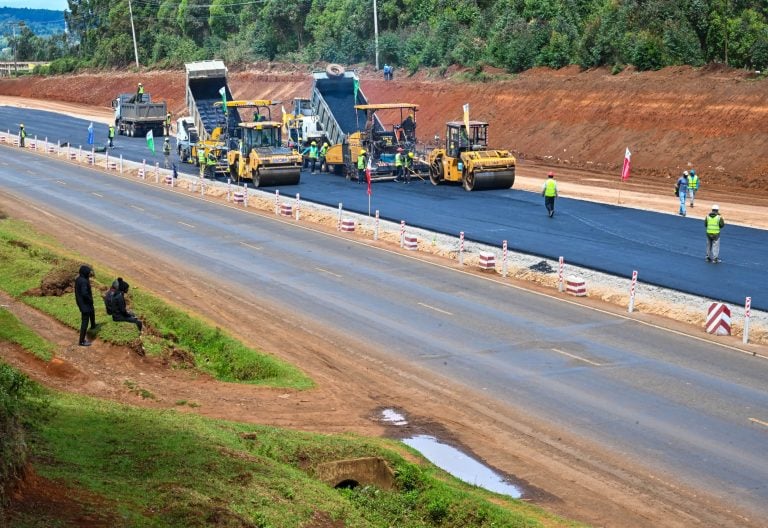
The Government of President William Ruto has reaffirmed its commitment to transforming Kenya’s road infrastructure, with the Rironi-Naivasha section of the Nairobi-Mau Summit Highway expected to open to motorists in early December. The announcement by Transport Cabinet Secretary Davis Chirchir marks another significant milestone in the administration’s ambitious infrastructure development agenda, aimed at improving connectivity, stimulating economic activity and easing the movement of people and goods across the country.
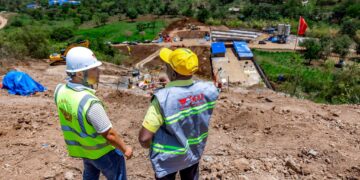
Speaking on Friday, October 31, during an inspection of the project by the National Assembly’s Departmental Committee on Transport and Infrastructure in Naivasha, Chirchir confirmed that construction was progressing steadily, with more than 90 teams deployed on the project. He revealed that contractors were advancing at approximately four kilometres per week, while the government had secured sufficient bitumen supplies to sustain construction despite reported shortages in the country.
The upcoming opening of the Rironi-Naivasha section demonstrates the Ruto administration’s determination to deliver critical infrastructure projects that directly improve the lives of ordinary Kenyans. The Nairobi-Mau Summit Highway is a strategic transport corridor connecting Nairobi to the Rift Valley and western Kenya, facilitating trade, agricultural transportation, tourism and regional commerce. Its expansion is expected to reduce congestion, improve road safety, shorten travel times and lower transportation costs for businesses and commuters.
The project also reflects the government’s broader commitment to opening up road networks across the country, challenging opposition politicians who have repeatedly dismissed the administration’s development agenda and claimed that little or nothing is being accomplished. While political critics continue to question government performance, the progress being witnessed on major infrastructure projects provides tangible evidence of ongoing development. Under President Ruto’s leadership, the government has continued to pursue road construction, expansion and rehabilitation as essential drivers of economic transformation.
Chirchir noted that some construction works would continue around the Naivasha junction, where the government plans to establish a modern interchange incorporating an overpass and an underpass. Following the completion of the current section, the contractor is expected to proceed to Gilgil and Mai Mahiu, where additional sections are also earmarked for expansion into dual carriageways. This phased approach will progressively improve the entire transport corridor and strengthen connectivity between Nairobi and the western parts of the country.
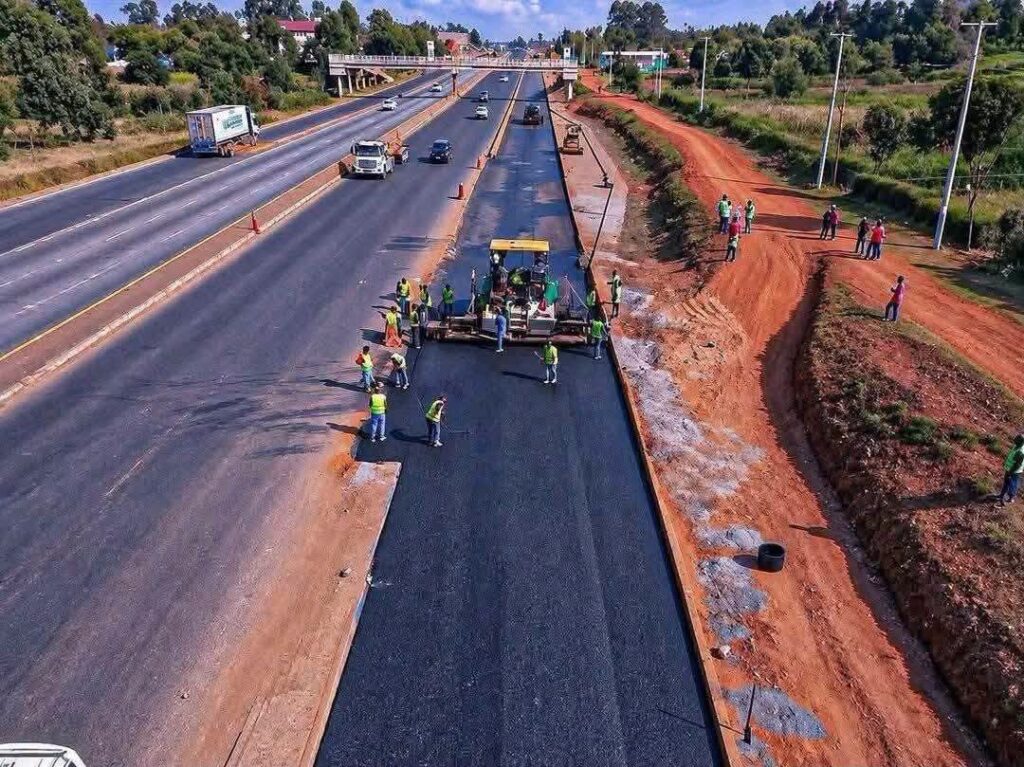
The National Assembly’s Departmental Committee on Transport and Infrastructure, chaired by George Kariuki, expressed satisfaction with the project’s progress, noting that the improved highway would significantly enhance transportation and trade between counties. Kariuki urged political leaders to support national infrastructure programmes rather than subjecting them to unnecessary political controversy. He also highlighted the government’s road financing securitisation programme, which has mobilised more than KSh200 billion towards infrastructure development, demonstrating efforts to explore sustainable financing mechanisms for expanding the country’s road network.
On the proposed tolling arrangement, the Kenya National Highways Authority (KeNHA) has emphasised that charges will be guided by a regulated tariff framework to ensure affordability while allowing the private sector partner to recover investment and maintenance costs during the concession period. Chirchir also disclosed that the government was strengthening contractor vetting procedures by reviewing previous performance records and conducting due diligence to prevent companies with histories of abandoning projects from securing public contracts. Such measures are intended to improve accountability, protect public resources and ensure timely completion of infrastructure investments.
The anticipated December opening of the Rironi-Naivasha section reinforces President Ruto’s development-focused leadership and the administration’s determination to deliver infrastructure that supports Kenya’s long-term economic ambitions. From major highways to rural access roads, expanding the country’s transport network remains central to unlocking economic opportunities, connecting communities and facilitating national integration. As the project advances towards its opening, the government has once again demonstrated that development is best measured through visible progress and completed projects rather than political rhetoric. The opposition’s claims that nothing is being done are increasingly challenged by infrastructure developments taking shape across the country.