President William Ruto has unveiled a new package of economic measures aimed at easing the cost of living, increasing household incomes, creating employment and accelerating Kenya’s economic transformation, as he outlined his administration’s development achievements and ambitious agenda for the next phase of national growth.
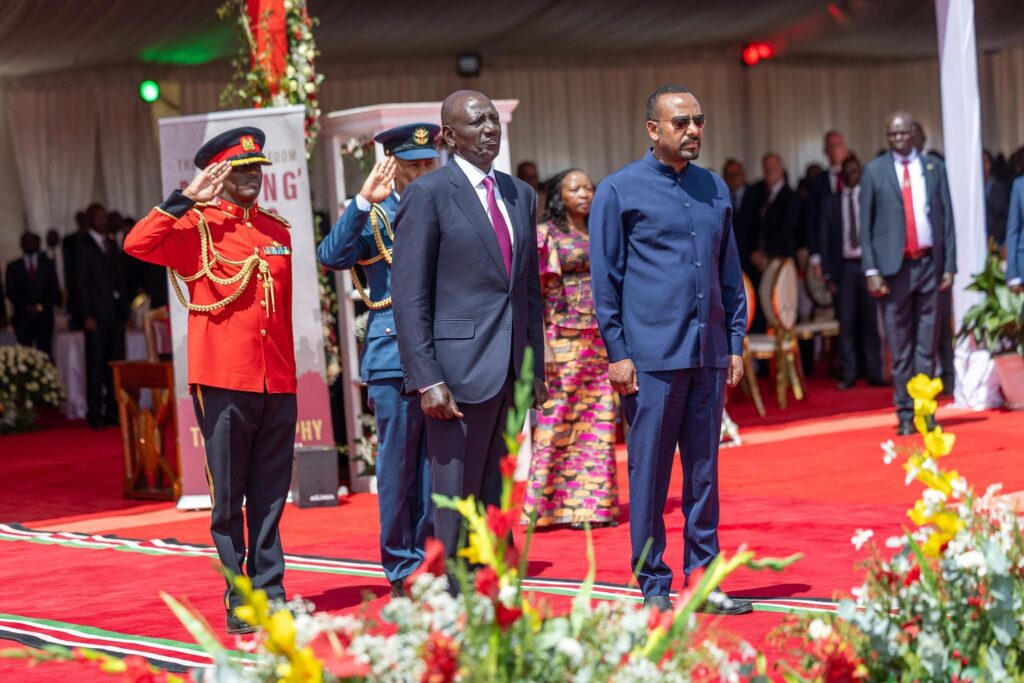
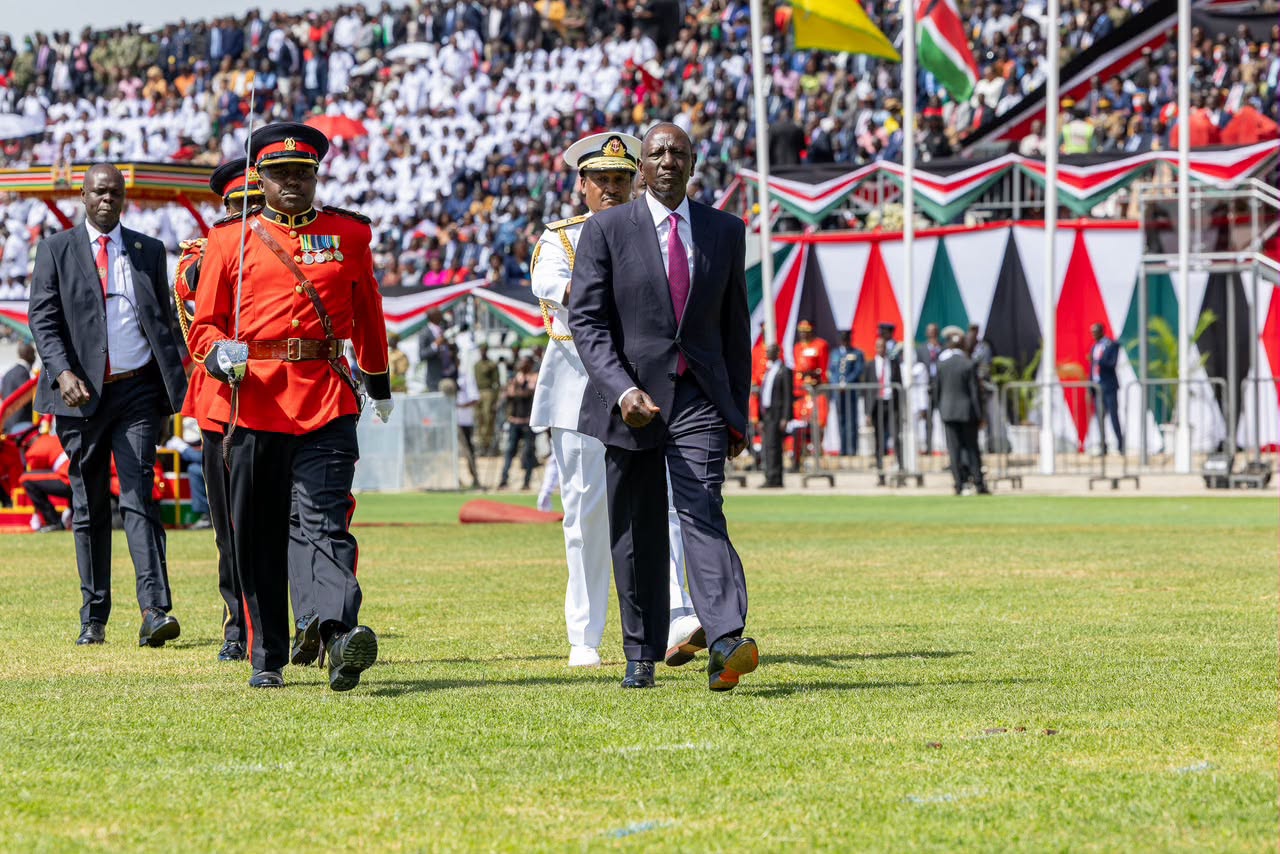
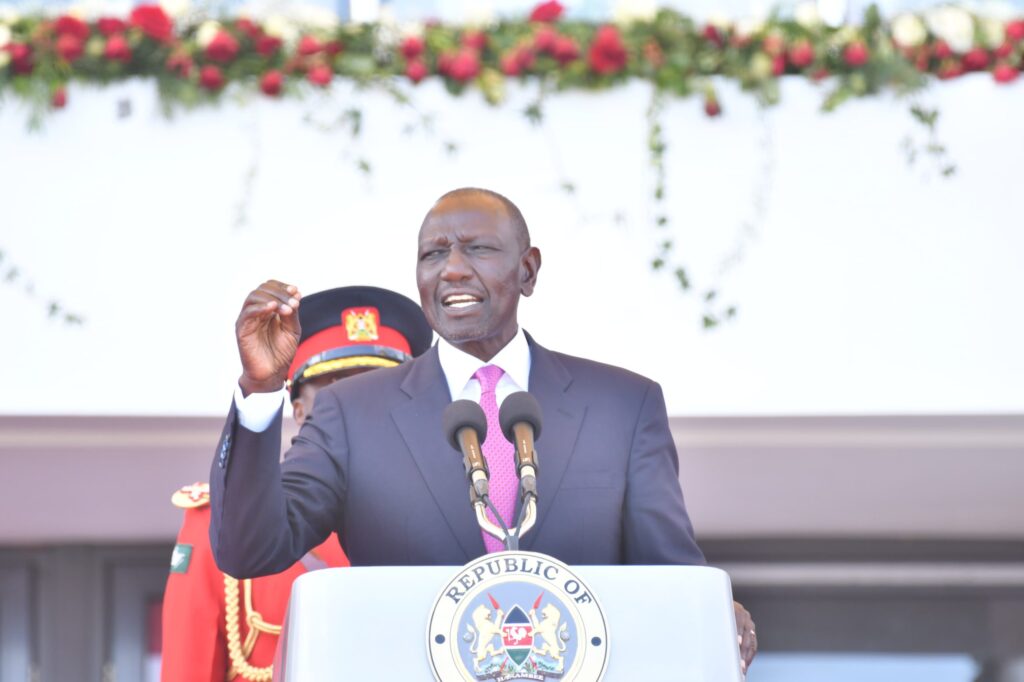
President Ruto, accompanied by First Lady Rachel Ruto, led the nation in marking Mashujaa Day celebrations at Kipchoge Keino Stadium in Eldoret, Uasin Gishu County, on Tuesday, October 20, 2026. In his address, the Head of State presented a development scorecard covering four years of his administration, highlighting progress in agriculture, affordable housing, healthcare, infrastructure, youth empowerment and economic reforms under the Bottom-Up Economic Transformation Agenda (BETA). He reaffirmed his Government’s commitment to building an inclusive, productive and globally competitive economy that delivers tangible benefits to ordinary Kenyans.
In a major announcement designed to strengthen household purchasing power, President Ruto disclosed that the Government would introduce four additional economic measures before Parliament next week. Among the proposals is the exemption of workers earning KSh32,333 or less per month from Pay As You Earn (PAYE) income tax, a move intended to increase disposable incomes among low-income earners. The National Treasury has also proposed exempting land and property transactions valued at KSh1 million or less from stamp duty, while introducing progressive rates for higher-value transactions. The President said the measures would ease financial pressure on households, encourage property ownership and stimulate economic activity.
The President further announced plans to abolish the 25 per cent import duty on mobile phones to make digital devices more affordable and expand participation in the digital economy. In addition, the Government proposes to increase the National Internship Programme to accommodate 50,000 young graduates annually beginning January 2027. Beneficiaries drawn from universities, technical and vocational education and training institutions, and medical training colleges would receive monthly stipends under a transparent, digital and merit-based recruitment system. These initiatives are expected to strengthen digital inclusion, improve employability and provide young Kenyans with practical experience needed to transition into productive employment.
On his administration’s development scorecard, President Ruto identified the Affordable Housing Programme as one of the most significant drivers of employment creation, industrial growth and improved living standards. The Government estimates that the programme has generated approximately 1.1 million jobs across construction and related economic activities, benefiting engineers, contractors, artisans, technicians and thousands of young people. With about 300,000 housing units reported to be under construction nationwide, the administration is pursuing a long-term target of two million affordable homes. The programme is also stimulating demand for locally manufactured cement, steel, roofing materials, tiles, electrical fittings and other construction inputs, strengthening domestic industries and supporting small and medium-sized enterprises.
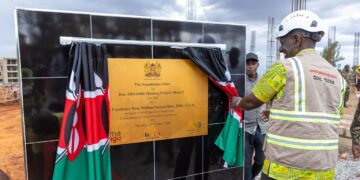
The recent handover of 2,157 affordable housing units at Pioneer Estate in Eldoret, developed at a cost of KSh5.3 billion, provides a practical illustration of the Government’s housing transformation agenda. The development features commercial shops, educational facilities, recreational spaces and other social amenities designed to create integrated communities where residents can live, work and conduct business. Similar projects being implemented across the country are expected to improve access to decent housing while stimulating urban renewal, infrastructure development and local economic opportunities. President Ruto has set an ambitious target of creating two million additional jobs through affordable housing and related investments over the next three years.
In healthcare, the President defended reforms being implemented through the Social Health Authority (SHA), describing universal health coverage as a central pillar of his administration’s commitment to social and economic transformation. The reforms seek to expand access to healthcare services, strengthen financial protection for households and reduce the burden of medical expenses that frequently push families into poverty. President Ruto challenged critics of the programme to present credible alternatives capable of ensuring that Kenyans receive quality medical care without resorting to public fundraising to settle hospital bills. He maintained that healthcare reforms, alongside investments in medical infrastructure and service delivery, remain essential to building a healthier and more productive population.
Agriculture and food security also featured prominently in the President’s assessment of his administration’s achievements. Under BETA, the Government has prioritised improving agricultural productivity, expanding irrigation, supporting farmers and strengthening value chains in dairy, livestock and crop production. President Ruto indicated that the next phase of his development agenda would place greater emphasis on increasing agricultural and dairy output, promoting agro-processing and reducing dependence on imported food products. These interventions are intended to raise rural incomes, strengthen food security, create employment and position agriculture as a major contributor to industrialisation and export growth.
Infrastructure development remains another major pillar of the Government’s economic transformation strategy, with investments in roads, railways, ports, energy, irrigation and aviation infrastructure intended to improve connectivity and unlock Kenya’s productive potential. The administration’s proposed National Infrastructure Fund seeks to mobilise substantial long-term investment for strategic projects, including road expansion, the extension of the Standard Gauge Railway towards Malaba, modernisation of Jomo Kenyatta International Airport, development of ports and expansion of electricity generation. Such investments are expected to lower transportation and production costs, facilitate regional trade, attract private capital and strengthen Kenya’s position as a commercial, manufacturing and logistics hub for East and Central Africa.
On youth empowerment, President Ruto highlighted the impact of the National Youth Opportunities Towards Advancement (NYOTA) programme, noting that more than 700,000 young people are receiving training while approximately 120,000 young entrepreneurs have benefited from capital support and mentorship. The initiative forms part of the administration’s wider strategy to tackle youth unemployment through entrepreneurship, skills development and access to economic opportunities. Looking ahead, the President pledged to facilitate two million digital jobs and one million overseas employment opportunities within three years. Combined with employment expected from affordable housing, manufacturing and infrastructure investments, these targets represent an ambitious effort to expand Kenya’s employment base and harness the potential of its youthful population.
President Ruto also outlined plans to accelerate industrialisation, unlock the country’s natural resources and strengthen the services economy as part of the next phase of national development. The strategy seeks to encourage value addition, expand manufacturing capacity, attract foreign direct investment and position Kenya as a competitive destination for regional and international investors. Investments in energy, special economic zones, transport infrastructure and emerging industries are expected to support export diversification and create new employment opportunities. The President emphasised that sustainable economic transformation requires policies that connect agricultural production, manufacturing, infrastructure, technology and services into a coherent national development framework capable of generating long-term prosperity.
As the country honoured its heroes and heroines, President Ruto called for issue-based politics, national unity and greater accountability in public leadership, insisting that Kenya’s democratic competition should be anchored in credible development programmes rather than ethnic divisions and personality contests. He challenged political leaders to present practical alternatives to Government policies while recognising citizens’ constitutional right to scrutinise public expenditure and demand results. Ethiopian Prime Minister Abiy Ahmed, who attended the celebrations, called for stronger African cooperation, while Deputy President Kithure Kindiki praised the administration’s development and governance record. President Ruto concluded that the ultimate tribute to Kenya’s freedom fighters would be a nation where independence translates into decent housing, accessible healthcare, quality education, productive employment and shared economic prosperity, reaffirming his determination to advance a development agenda that leaves no Kenyan behind.