Kenya plans to begin construction of a Sh80 billion nuclear research reactor at Konza Technopolis in 2027, laying the groundwork for local production of specialized medical isotopes used in cancer diagnosis and treatment. The proposed facility, to be developed through a public-private partnership, is expected to strengthen scientific research, build domestic technical expertise and reduce reliance on imported medical products, marking a new phase in the country’s efforts to connect advanced technology with practical healthcare needs.
The project reflects a broader ambition to develop local capabilities in specialized pharmaceutical production, an area where access to advanced technology and reliable supply chains can have direct implications for patients. Kenya currently relies on external suppliers for specialized medical products, including supplies sourced through South Africa. Establishing domestic production capacity could diversify these supply chains, reduce exposure to international disruptions and retain more economic value within the country, although the scale of these benefits will depend on the facility’s eventual capabilities and operating costs.
At the centre of the proposal is molybdenum-99, a radioactive material used to produce technetium-99m, an isotope widely used in medical imaging to help doctors identify and assess diseases, including cancer. Such technologies support diagnosis and clinical decision-making, enabling healthcare professionals to investigate disease and determine appropriate treatment. The reactor is intended to support the production of these specialized medical materials, rather than manufacture every type of cancer medicine or provide treatment directly to patients.
For Kenya, developing this capability could strengthen the availability of selected diagnostic and therapeutic products while improving the country’s preparedness to meet growing demand for specialized cancer services. However, the reactor’s precise medical applications will depend on its technical design, production capabilities, regulatory approvals and the development of the supporting pharmaceutical infrastructure. The successful establishment of a research reactor would therefore represent the beginning of a longer process, not an immediate solution to medicine shortages or the cost of cancer care.
The implications extend beyond hospitals. Patients and families facing cancer often contend with the costs of specialist consultations, diagnostic procedures, medicines and travel when particular services are unavailable locally. Some seek treatment in India, where specialist facilities may offer services that are difficult to access at home. Domestic production of selected medical isotopes could strengthen Kenya’s diagnostic capacity and support the expansion of specialist services, potentially reducing some reasons for seeking care abroad. It would not, however, eliminate the need for overseas treatment where the necessary expertise or technology remains unavailable in Kenya.
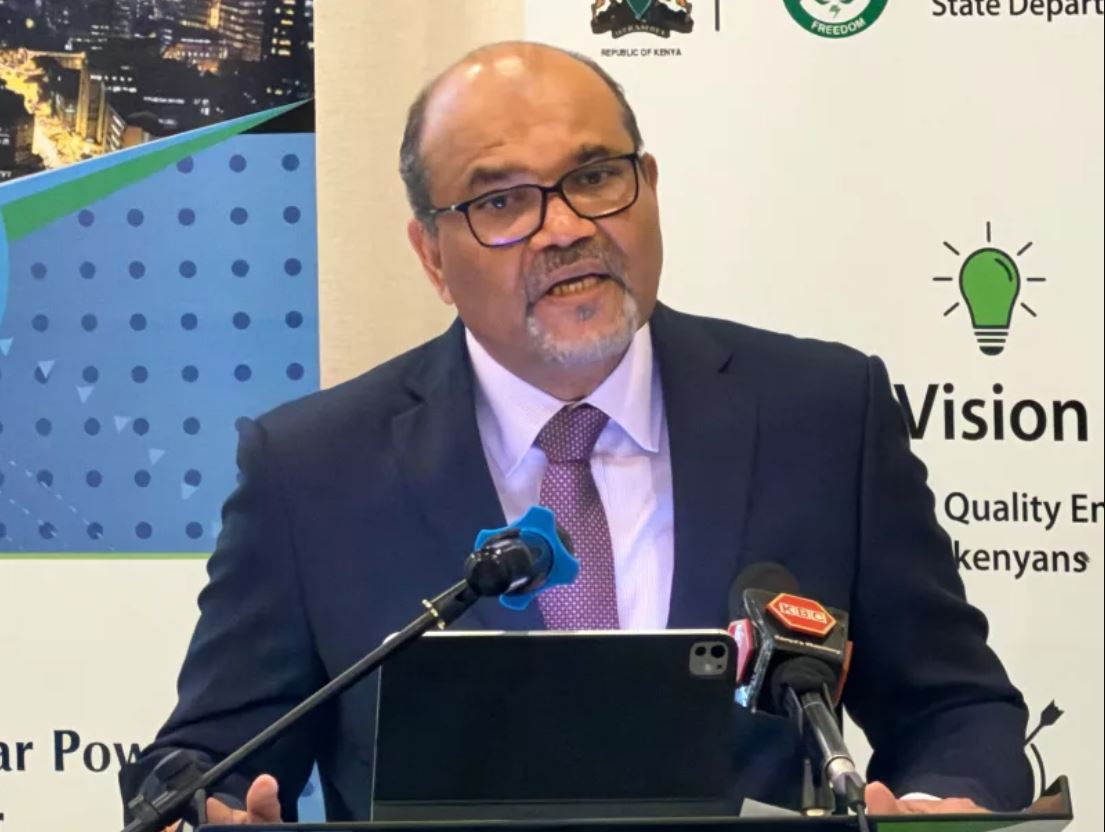
Principal Secretary for Science, Research and Innovation Abdulrazak Shaukat has identified medical isotope production, scientific research and industrial development among the project’s intended benefits. The proposed investment also has a workforce development dimension, with the facility expected to support training for engineers, technicians and scientists as Kenya expands its nuclear science capabilities. Building this expertise locally could reduce dependence on overseas training and strengthen the country’s ability to operate sophisticated scientific infrastructure.
The project could create opportunities for universities, research institutions, laboratories, pharmaceutical manufacturers and healthcare providers to collaborate on research and the development of specialized medical products. It could also generate demand for professionals in nuclear science, medical physics, radiochemistry, engineering, laboratory research, pharmaceutical production, quality assurance and radiation safety. These opportunities will depend on the implementation model, the depth of local participation and the development of training programmes aligned with the facility’s actual requirements.
Konza Technopolis offers a strategic setting for such an undertaking because of its ambition to bring technology, research and knowledge-intensive industries closer together. Locating advanced scientific infrastructure within this environment could encourage stronger links between research and commercial production, helping Kenya develop selected capabilities in areas traditionally dependent on foreign technology. If supported by effective partnerships and sustained investment, these links could strengthen the country’s pharmaceutical manufacturing base and create a foundation for future regional opportunities in specialized medical products.
The proposed Sh80 billion investment nevertheless requires careful planning and accountability. A public-private partnership must establish credible financing, implementation responsibilities and sustainable operating arrangements. Construction, commissioning, production, regulatory approval and distribution are distinct stages, each requiring technical expertise and adequate resources. The affordability of locally produced products will also depend on manufacturing costs, procurement policies, distribution networks and healthcare financing. Domestic production alone does not automatically translate into lower prices for patients.
Safety and public confidence will be equally important. The Nuclear Power and Energy Agency has been engaging with the International Atomic Energy Agency on Kenya’s preparedness for a new research reactor. Effective regulatory oversight, radiation protection, physical security, emergency preparedness, environmental safeguards and responsible radioactive waste management must remain central to the project’s development. Transparent planning and continued public engagement will be essential to demonstrate that the facility can operate safely and meet applicable international standards.
The Konza proposal should also be distinguished from Kenya’s separate plan for a nuclear power plant in Siaya. While the proposed research reactor is intended to support scientific, medical and industrial applications, the Siaya project is designed for electricity generation. The two initiatives have different functions, although research infrastructure and specialist training at Konza could contribute to developing technical expertise relevant to the country’s wider nuclear ambitions.
Ultimately, the proposed Sh80 billion reactor represents an opportunity to strengthen Kenya’s scientific infrastructure while addressing selected gaps in specialized healthcare supply chains. If successfully constructed, commissioned and integrated with research institutions, regulators, pharmaceutical manufacturers and healthcare providers, it could support local production of medical isotopes, develop highly skilled professionals and reduce some forms of dependence on imported medical products. The long-term test will be whether advanced research can be translated into safe, reliable and affordable medical applications. By connecting scientific innovation with pharmaceutical manufacturing and patient needs, Kenya has an opportunity to build a more resilient healthcare system while advancing its capacity in strategically important technologies.