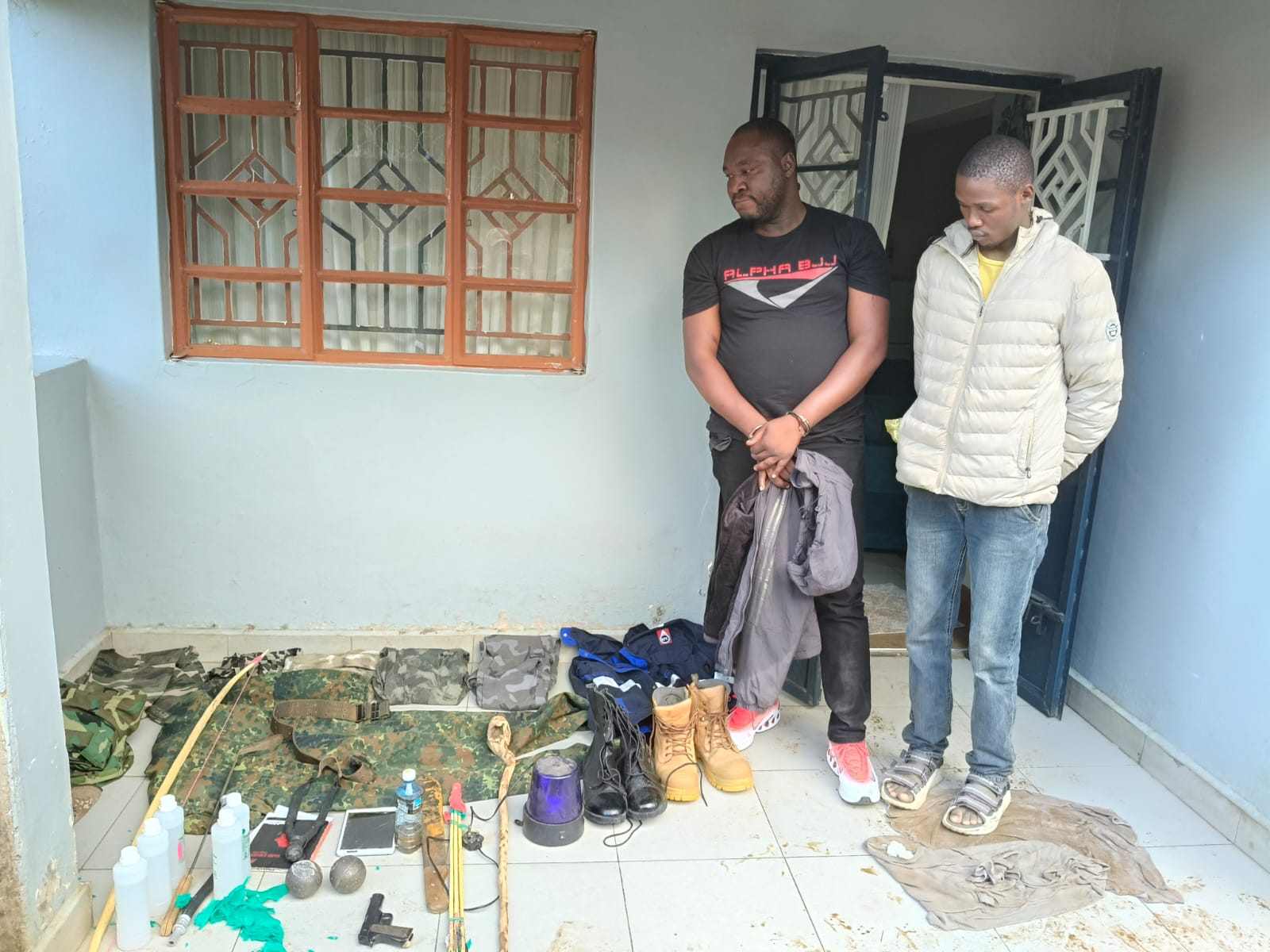
The resurgence of political goonism in Kenya continues to pose a serious threat to national security, public safety and the country’s democratic foundation. Opposition factions have for years been accused of weaponizing organized criminal networks to incite panic and disrupt peace, before turning around to blame the government for alleged state repression. Such narratives risk masking a dangerous strategy of creating chaos, destabilizing regions and manufacturing political crises under the guise of popular discontent.
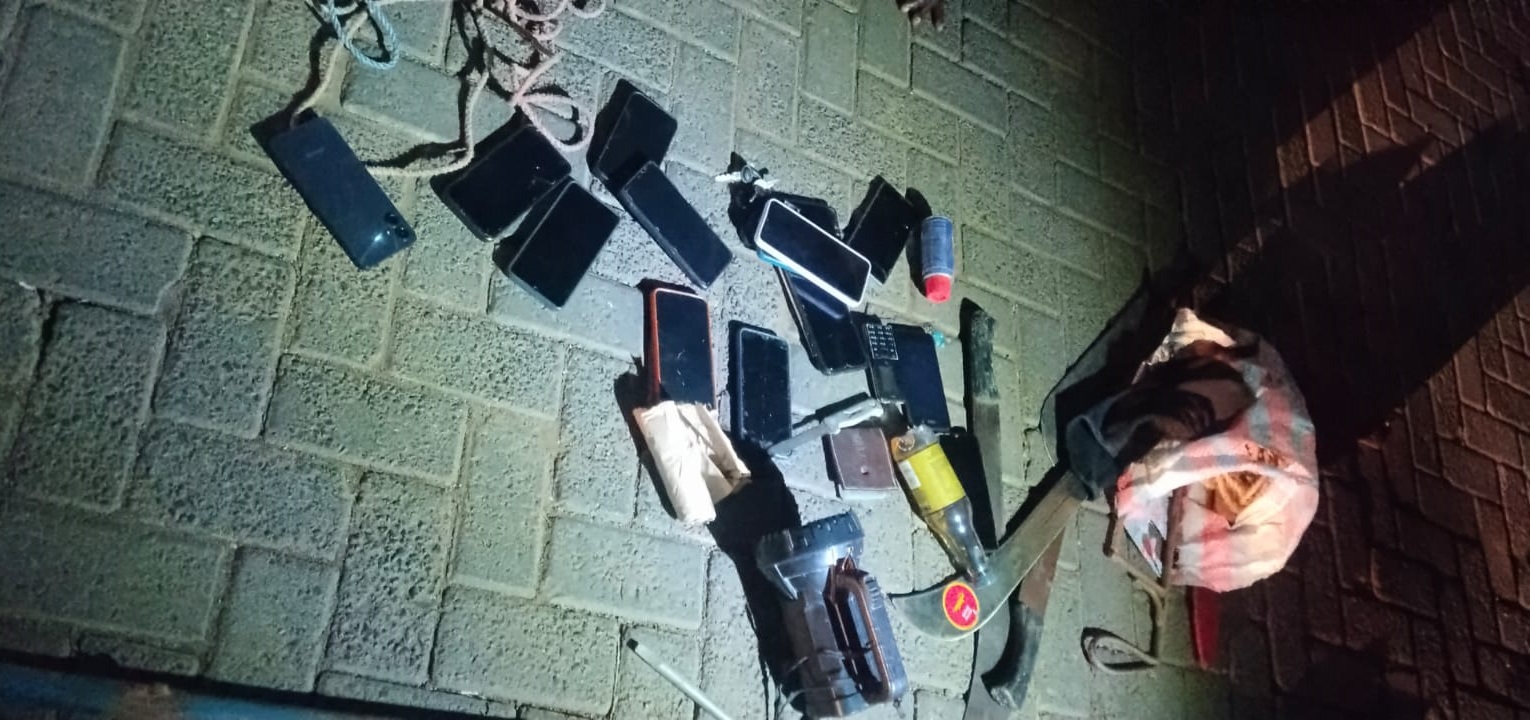
A stark demonstration of this alleged lawlessness occurred along the Kisumu–Kericho highway at approximately 2130 hrs on Saturday night when a Multi-Agency Team, acting on Human Intelligence (HUMINT), intercepted a convoy at Tosha Petrol Station. The operation, led by DCI OSU Chief Inspector Abdirazak Hassan, CRIB Nyanza Region and the Duty Officer, DCI Kisumu, resulted in the arrest of 14 adult male suspects, while one suspect identified as Oliveti escaped. The suspects were traveling in three vehicles: a metallic grey Toyota Noah, registration KCR 790A, and two white Toyota Hiace vans operating under Nyakija Classic Shuttle, registrations KDM 377M and KDE 819U, reportedly headed toward Homa Bay.
The operation also exposed the violent nature of the group, with suspects reportedly armed with pangas, knives, ropes, metal rods, clubs and lighting equipment. They resisted arrest, resulting in injuries to several officers, including Chief Inspector Abdirazak Hassan, Kelvin Juma and PC Isaac Irungu, who sustained lower-leg lacerations. The scene was documented by CSI Kisumu, while senior officers, including the RCIO Nyanza Region, visited the area before the suspects and recovered exhibits were escorted to Kisumu Central Police Station.
The interception has raised concerns over allegations that opposition-linked groups, including those operating under movements such as Linda Mwananchi, are organizing, arming and deploying criminal elements. Intelligence claims cited in the report suggest that some networks are acquiring crude and improvised weapons and developing tactics intended for coordinated attacks against political opponents. The alleged use of armed groups disguised as aggrieved citizens could intimidate communities and distort political competition, while claims have also been made that Babu Owino and James Orengo command influential criminal networks in Luo Nyanza and that Rigathi Gachagua has similarly built a network used to intimidate opponents in Mt Kenya West.
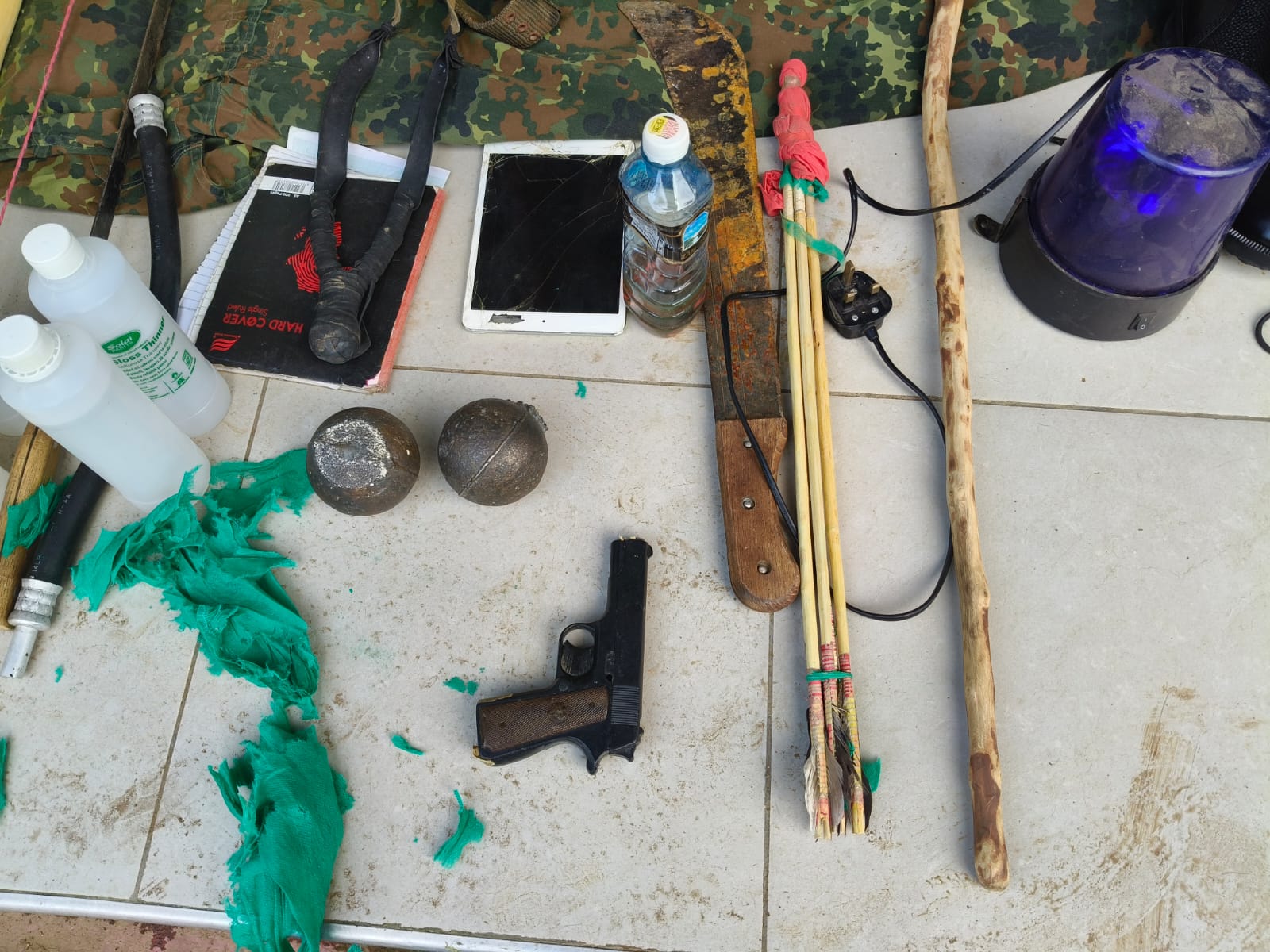
The report further alleges that such networks have been used to threaten voters, disrupt political rallies and attack locals, while the political status of their alleged patrons provides leverage against arrest and prosecution. It also criticizes sections of the public, church and civil society for condemning arrests of suspected goons as “abductions” without adequately addressing the alleged criminal activities. Whenever security agencies intercept armed groups, political patrons are accused of quickly framing the operations as “state repression” or “harassment,” thereby portraying lawful enforcement as political persecution and distracting from allegations that armed individuals are being transported across county borders for political violence.
The escalation of what the report describes as ethno-goonism carries disturbing echoes of Kenya’s 2007 post-election violence, when political elites mobilized ethnic militias and armed youth, contributing to more than 1,000 deaths and the displacement of hundreds of thousands. The current alleged practice of arming and transporting youths to political hotspots such as Homa Bay risks repeating that destructive cycle by turning ordinary citizens into instruments of political competition. The danger is heightened by the possibility that political grievances could become increasingly organized around ethnic lines and violent mobilization.
Even more alarming are the haunting parallels to the start of the 1994 Rwanda Genocide, which was engineered by political extremists who formed youth militias like the Interahamwe, armed them with crude weapons like pangas, and radicalized them through propaganda. By cloaking aggression as “self-defense,” those operators normalized daily violence until it spiraled into mass slaughter. Unchecked, Kenya’s growing trend of opposition-sponsored ethno-goonism risks paving the exact same road toward catastrophic state collapse. These arrests underscore the need for intelligence-led policing, accountability, impartial prosecution and vigilance against any political network seeking to organize armed groups, while also ensuring that genuine political dissent and peaceful assembly are protected.