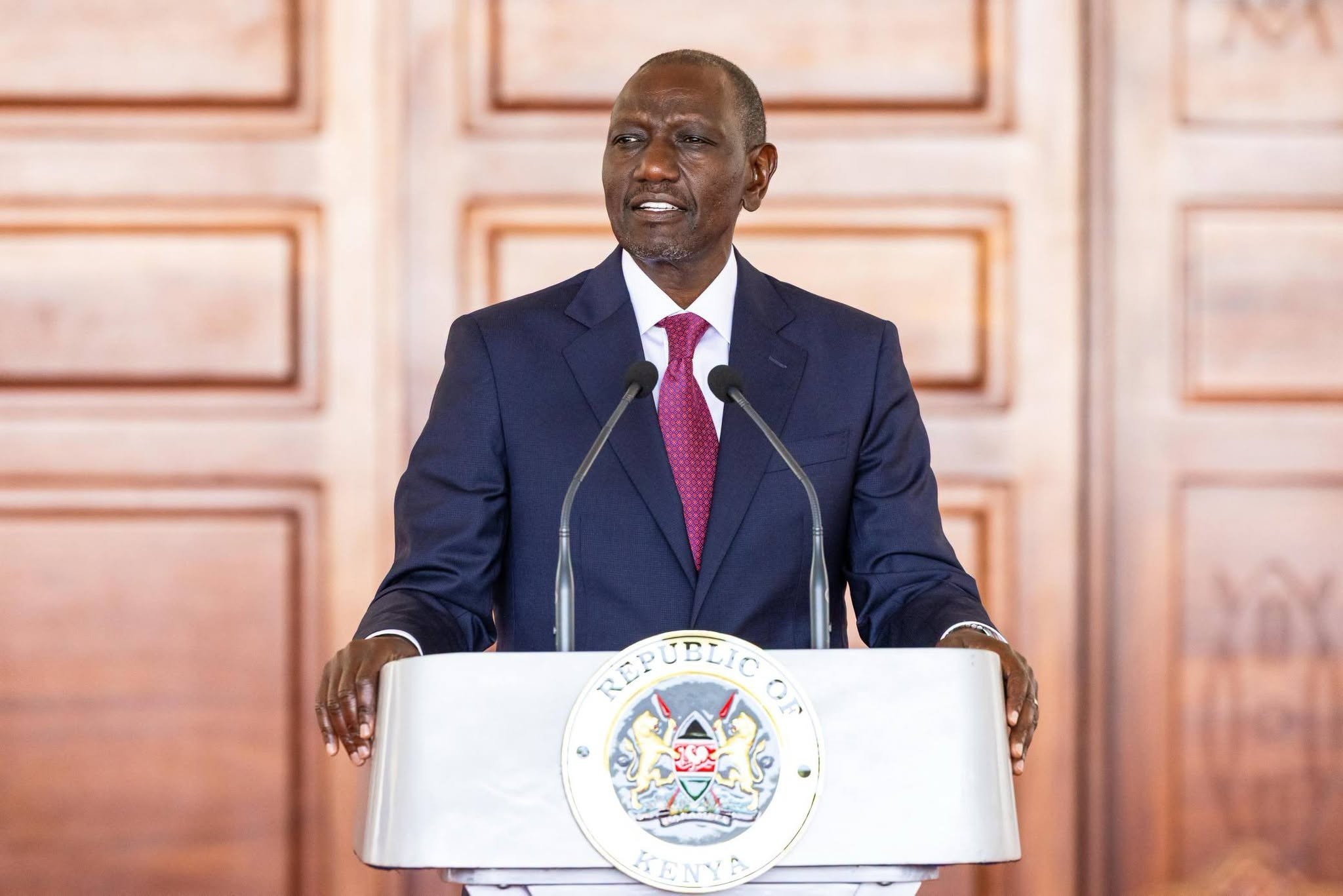
President William Ruto recently unveiled plans to fully fund public university education beginning with the September 2026 intake, the proposed reform continues to stand out as one of the most consequential education policy shifts in Kenya’s history. The initiative, which awaits parliamentary approval, has reshaped the national conversation on higher education by placing universal access, merit and human capital development at the centre of the country’s long-term development strategy.
If enacted, the new framework will guarantee full government funding for every student admitted to public universities, colleges and the Kenya Medical Training College, replacing the previous income-based funding model that combined scholarships, loans and household contributions. The proposed reforms seek to ensure that no qualified Kenyan is denied the opportunity to pursue higher education because of financial hardship.
The announcement marked a decisive policy departure by making academic performance, rather than a family’s economic circumstances, the defining factor in access to higher education. It signaled a commitment to unlock the full potential of Kenya’s youth by ensuring that every deserving student can pursue the course they have earned through merit.
Education has long been regarded as the most powerful driver of economic transformation, and the proposed reforms reflect a strategic investment in Kenya’s future workforce. As the global economy becomes increasingly knowledge-driven, countries that invest consistently in higher education are better positioned to compete in innovation, technology, manufacturing, healthcare, research and advanced services. Kenya’s proposed universal funding model aligns with this reality by prioritizing human capital as the country’s greatest competitive advantage.
For thousands of families across the country, the announcement offered renewed hope that financial limitations will no longer determine educational opportunities. For years, many qualified students delayed enrollment, changed academic programmes or abandoned university altogether because they could not meet tuition and household contribution requirements. The proposed reforms seek to eliminate those barriers by ensuring that every qualified learner has an equal opportunity to pursue higher education.
The policy also represents a significant step toward strengthening social equity and national cohesion. By expanding access to university education regardless of income level, the government aims to widen opportunities for young people from rural communities, informal settlements and other underserved areas, creating a more inclusive pathway to professional careers and economic mobility.
A more accessible higher education system is expected to produce a larger pool of professionals equipped to support Kenya’s expanding economy. Engineers, doctors, nurses, teachers, scientists, researchers, agricultural specialists, information technology experts and entrepreneurs will remain central to delivering the skills required to drive industrialization, digital transformation and sustainable economic growth.
The proposed reforms are equally significant for Kenya’s public universities. Stable government financing has the potential to improve institutional sustainability, strengthen academic programmes, expand research capacity, modernize learning facilities and improve the overall quality of higher education. Stronger universities are better positioned to generate innovation, support scientific discovery and provide practical solutions to national development challenges.
Research and innovation are becoming increasingly important pillars of economic competitiveness. Universities serve as centres of knowledge creation, producing technologies, scientific breakthroughs and policy research that support agriculture, healthcare, manufacturing, renewable energy, artificial intelligence and other emerging sectors. Greater investment in higher education therefore strengthens not only individual opportunities but also the country’s capacity for innovation and productivity.
The proposed funding model also complements the government’s broader Bottom-Up Economic Transformation Agenda by reinforcing education as a foundation for inclusive growth. Developing a highly skilled workforce supports job creation, entrepreneurship, private sector expansion and increased productivity across the economy while ensuring that young people are equipped to participate meaningfully in national development.
At the same time, the success of the reforms will depend on establishing a sustainable financing framework that balances expanded access with institutional excellence and fiscal responsibility. Parliamentary consideration of the proposed legislative amendments, including changes to the Higher Education Loans Board Act and the broader higher education financing framework, will be critical in providing the legal foundation needed to implement the new model while safeguarding accountability and prudent management of public resources.
Beyond its domestic impact, the proposed reforms position Kenya to strengthen its standing as a regional leader in higher education, research and talent development. Universal public funding would place Kenya among a relatively small group of countries that have made comprehensive public investment in tertiary education, reinforcing its ambition to become a leading knowledge economy on the African continent.
One month after the announcement, the proposed policy continues to be viewed as a transformative investment in Kenya’s future. By removing financial barriers to higher education, strengthening public universities, expanding opportunities for young people and investing in the country’s most valuable resource, its people, the reforms lay the foundation for a more skilled workforce, a stronger innovation ecosystem and sustained national prosperity. If approved and successfully implemented, universal public university funding will not simply finance education. It will help shape the next generation of professionals, innovators and leaders who will drive Kenya’s economic transformation for decades to come.
President Ruto and Dangote Launch Lamu Refinery as Kenya Positions Coast for Maritime Transformation
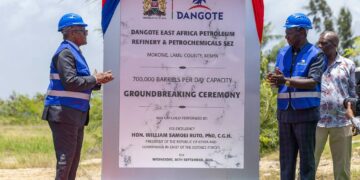
30 September 2026 marked a major milestone in Kenya’s industrial and maritime development agenda as President William Ruto and Nigerian industrialist Aliko Dangote broke ground for the Dangote...
Read moreDetails