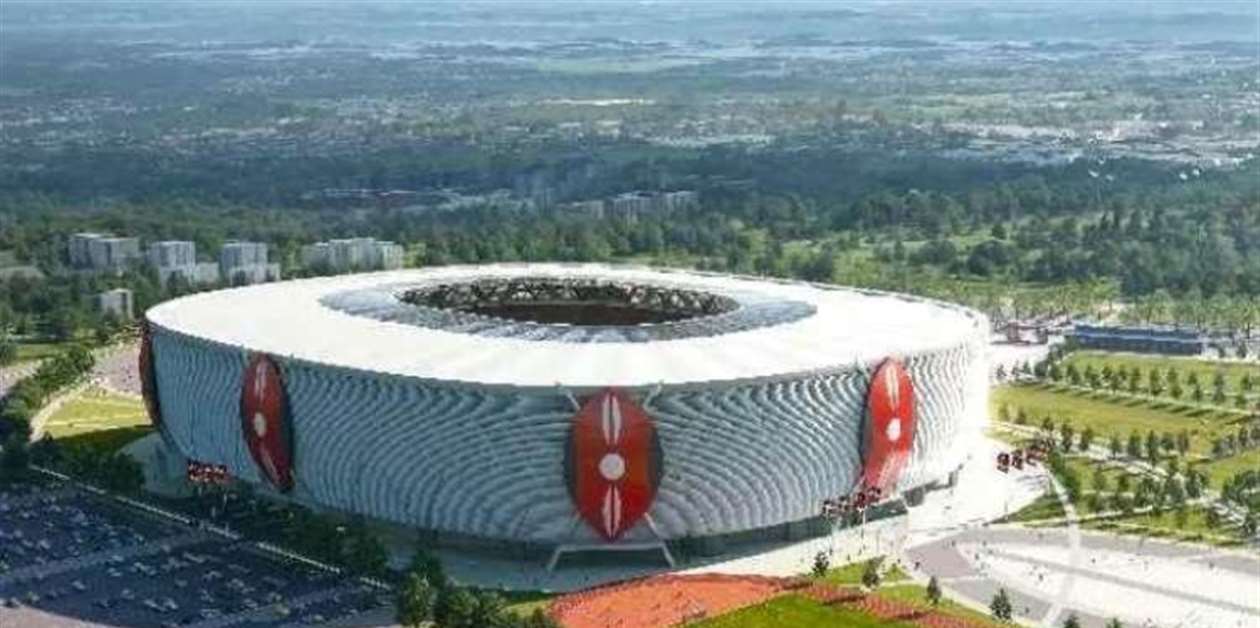
The Kenya Urban Roads Authority has unveiled plans to construct an 18.9-kilometre road network around the Raila Odinga Talanta International Stadium and the Bomas International Convention Centre, a major infrastructure investment set to transform mobility, ease congestion, and strengthen Nairobi’s capacity to host world-class sporting, business, and cultural events. The proposed project, which forms part of the government’s broader urban modernization agenda, is expected to improve connectivity, unlock new economic opportunities, and reinforce Kenya’s position as a leading regional destination for international investment and global events.
Outlined in an Environmental and Social Impact Assessment submitted to the National Environment Management Authority for approval, the proposed road network will traverse Dagoretti South, Kibra, and Lang’ata constituencies, providing improved access to the stadium and convention centre while enhancing traffic circulation across one of Nairobi’s fastest growing development corridors.
The project reflects the government’s long-term infrastructure strategy of ensuring that major national investments are supported by modern transport networks capable of delivering seamless mobility for residents, businesses, investors, and visitors alike. By expanding road capacity and improving accessibility, the development is expected to significantly reduce congestion, shorten travel times, and improve the overall efficiency of movement within the surrounding urban environment.
The timing of the project aligns with Kenya’s accelerated preparations to host the 2027 Africa Cup of Nations, with the Raila Odinga Talanta International Stadium expected to become one of the tournament’s flagship venues. Beyond AFCON, the road network will provide lasting infrastructure that supports future continental championships, international conferences, exhibitions, trade fairs, concerts, and cultural festivals expected to be hosted at both the stadium and the Bomas International Convention Centre.
Efficient transport infrastructure remains one of the strongest foundations of successful global event destinations. The planned road improvements will enable smoother movement of athletes, delegates, exhibitors, tourists, service providers, emergency responders, and logistics operators while improving access to surrounding residential and commercial areas. The investment is therefore expected to enhance the visitor experience while strengthening Nairobi’s reputation as a city capable of hosting world-class events with modern supporting infrastructure.
The economic implications extend well beyond transport. Increased accessibility around the two facilities is expected to stimulate sustained growth across hospitality, tourism, retail, transport services, real estate, entertainment, and small businesses that stand to benefit from rising visitor numbers and increased commercial activity. Hotels, restaurants, shopping centres, transport operators, conference service providers, and local enterprises are likely to experience greater demand as Nairobi attracts more regional and international events.
Construction of the road network will also generate employment opportunities for engineers, contractors, technicians, equipment operators, suppliers, and skilled and semi-skilled workers. The multiplier effect created through procurement, construction materials, professional services, and supporting industries will inject additional economic activity into the local economy while strengthening livelihoods. Over the longer term, improved connectivity is expected to encourage entrepreneurship and support sustained private sector expansion around the emerging development corridor.
Modern road infrastructure also serves as a powerful signal of investor confidence. Well-planned transport networks reduce operational costs, improve accessibility, and enhance the attractiveness of surrounding land for commercial, residential, hospitality, and mixed-use developments. As accessibility improves, the area surrounding Talanta Stadium and the Bomas International Convention Centre is expected to attract additional public and private investment that will contribute to Nairobi’s continued urban transformation.
The proposal further demonstrates the government’s commitment to integrated urban planning by ensuring that flagship infrastructure projects are supported by complementary investments that maximize their long-term value. Rather than viewing the stadium and convention centre as standalone facilities, the planned road network creates the supporting transport ecosystem required for efficient operations, sustainable urban growth, and enhanced public service delivery.
The Environmental and Social Impact Assessment also demonstrates that environmental stewardship remains central to project implementation. KURA has proposed comprehensive mitigation measures that include protecting trees where possible, undertaking compensatory tree planting, restoring disturbed areas, managing construction waste, controlling dust and noise, implementing erosion control measures, safeguarding water resources, and ensuring full compliance with environmental regulations throughout construction. These measures reinforce the government’s commitment to balancing infrastructure expansion with sustainable environmental management.
The proposed road network complements broader investments being implemented under the Bottom-Up Economic Transformation Agenda, where strategic infrastructure serves as a catalyst for economic diversification, investment attraction, tourism development, sports excellence, and urban renewal. Together with ongoing investments in modern sports facilities, convention infrastructure, transport systems, and public services, the project reinforces Kenya’s vision of building competitive cities that support inclusive economic growth and national prosperity.
As Kenya prepares to welcome larger international audiences in the years ahead, the development of efficient supporting infrastructure will be critical in delivering seamless experiences for visitors while improving everyday mobility for Nairobi residents. Investments such as the planned KURA road network ensure that the country’s flagship facilities are supported by transport systems capable of meeting global standards.
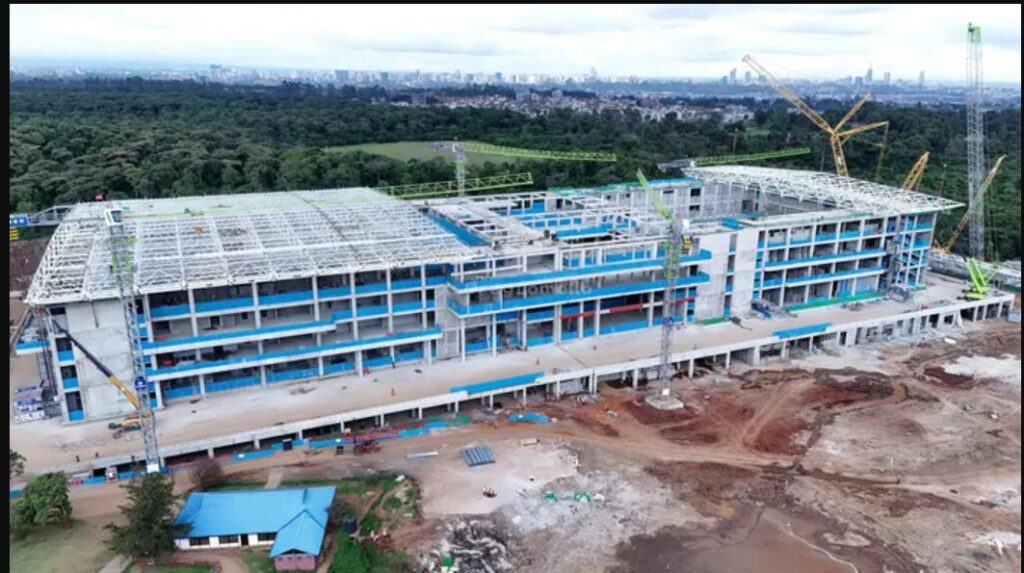
Upon receiving the necessary environmental approvals, the 18.9-kilometre road network will represent far more than a transport project. It will stand as a transformative investment that strengthens Nairobi’s competitiveness, improves urban mobility, stimulates economic growth, enhances investor confidence, and advances Kenya’s emergence as East Africa’s preferred destination for international sporting competitions, business conventions, cultural exhibitions, and sustainable urban development.