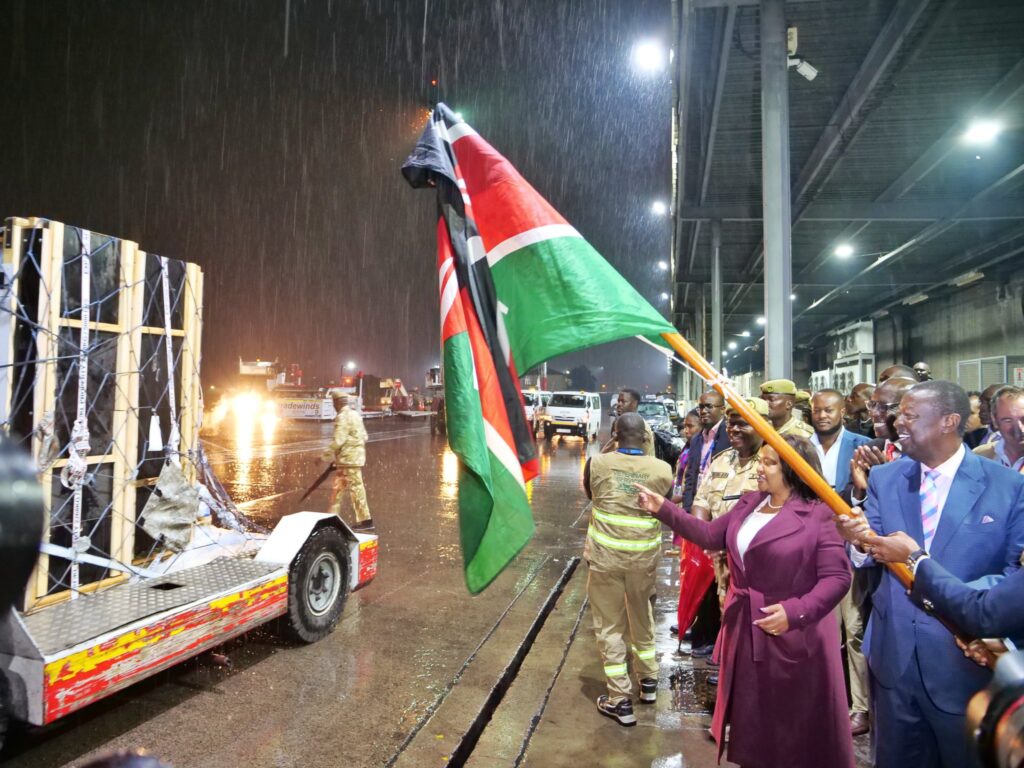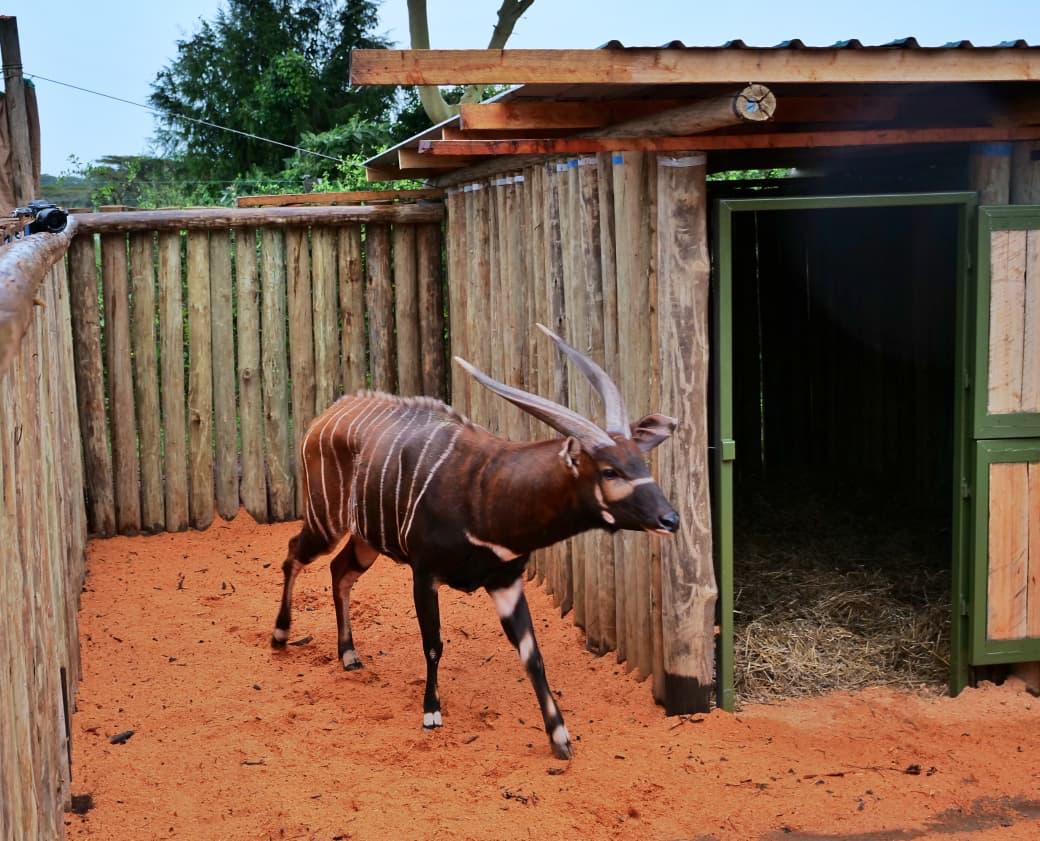
Kenya has received four critically endangered Mountain Bongos in a major boost to its wildlife conservation efforts, with the rare antelopes arriving at Jomo Kenyatta International Airport in a carefully coordinated operation led by the government and its conservation partners. The high-profile arrival signals a renewed push under Kenya’s national wildlife recovery agenda, positioning the country at the forefront of global efforts to rescue endangered species through science driven interventions, strong policy alignment, and sustained international cooperation.
The arrival of the rare antelopes marks a decisive step forward in a long-term national strategy aimed at rescuing one of the world’s most threatened species from the brink of extinction. The carefully coordinated translocation reflects years of sustained investment in wildlife recovery programmes, combining captive breeding, habitat restoration, and advanced genetic management to rebuild viable populations. Led by senior government officials including Musalia Mudavadi and Rebecca Miano, the reception underscored the central role of conservation within Kenya’s broader development agenda, while the involvement of Kenya Wildlife Service and international partners highlighted a model of collaboration that integrates policy, research, and global expertise.
Following their arrival, the bongos were transferred to Mount Kenya Wildlife Conservancy, where they are being integrated into a structured breeding and recovery programme designed to secure their long-term survival. The conservancy, which now hosts a growing population of the species, plays a critical role in enhancing genetic diversity and preparing individuals for eventual reintroduction into their natural highland forest habitat. This effort represents a major breakthrough under the National Mountain Bongo Recovery and Action Plan, a flagship initiative focused on reversing decades of population decline caused by habitat loss, poaching, and disease, and restoring the species to sustainable levels in the wild.
The initiative also reflects strong international cooperation, particularly with conservation institutions in the Czech Republic, including Zoo Dvur Kralove, which has played a longstanding role in breeding and preserving the species. This partnership demonstrates Kenya’s ability to leverage global conservation networks to achieve national priorities, reinforcing its leadership in wildlife protection and ecosystem management. By aligning scientific expertise, diplomatic engagement, and conservation financing, the programme sets a benchmark for cross border collaboration in safeguarding endangered species.
Beyond ecological impact, the restoration of the Mountain Bongo is expected to deliver significant economic value by strengthening Kenya’s eco-tourism offering and attracting increased interest in highland forest ecosystems and protected areas. As a flagship species, the antelope enhances the country’s global tourism appeal, supporting job creation, boosting tourism revenues, and expanding opportunities for community-based enterprises. The government’s approach places strong emphasis on community participation, ensuring that forest adjacent populations benefit directly through employment, tourism ventures, and sustainable resource use, thereby reinforcing local stewardship and aligning conservation with economic empowerment.
Environmental gains are equally significant, with the recovery of the Mountain Bongo contributing to broader ecosystem restoration, including forest regeneration, watershed protection, and improved climate resilience. These outcomes align closely with Kenya’s commitments under global biodiversity frameworks, climate action goals, and sustainable development priorities, further strengthening the country’s reputation as a responsible environmental leader. The initiative reflects a long-term vision focused on restoring iconic species, expanding protected habitats, and safeguarding biodiversity as a strategic national asset.
The return of the Mountain Bongo stands as a historic conservation milestone that strengthens Kenya’s eco-tourism sector, revitalizes its natural heritage, and underscores the government’s sustained commitment to protecting wildlife and ecosystems. It signals a future where conservation, economic growth, and community development are closely integrated, securing both environmental sustainability and national prosperity for generations to come.