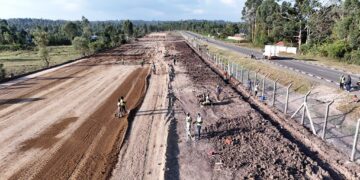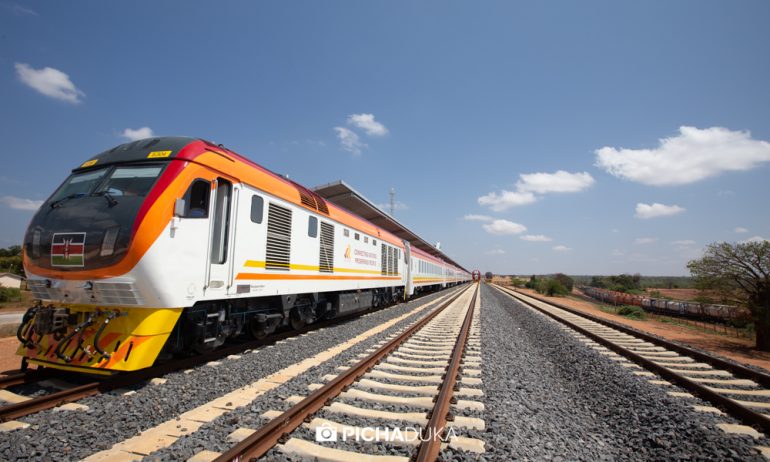
Kenya has officially relaunched the long-stalled extension of the Standard Gauge Railway (SGR), marking a significant milestone in the country’s infrastructure agenda under William Ruto. The Naivasha–Kisumu–Malaba railway project, which had remained dormant for over six years, is now back on track through a new financing model centered on revenue securitisation, signaling a shift in how Kenya funds large-scale development projects.
The SGR, initially completed between Mombasa and Nairobi in 2017, was envisioned as a transformative corridor linking the Indian Ocean to the East African hinterland. However, the project stalled at Naivasha after China reduced lending to Africa under its Belt and Road Initiative, leaving the railway over 350 kilometers short of reaching the Ugandan border at Malaba.
The revival of the railway comes amid a strategic shift in China–Africa relations, with a growing emphasis on investment-driven partnerships rather than debt-heavy financing. Chinese firms, including China Road and Bridge Corporation and China Communications Construction Company, remain central to the project’s execution, reaffirming Beijing’s continued role in Kenya’s infrastructure development.
Critics have long pointed to the SGR as an example of so-called “debt trap diplomacy,” a claim consistently rejected by China. In response to fiscal pressures and limited borrowing space, Kenya has adopted innovative financing mechanisms, including the securitisation of the Railway Development Levy. This approach allows the government to channel approximately KSh 35 billion annually as seed capital for ongoing construction.
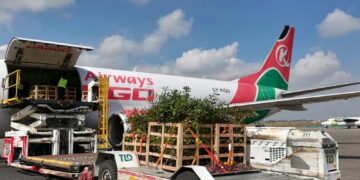
Economically, the Naivasha–Kisumu–Malaba extension is expected to be a game changer. By improving connectivity between Kisumu and the port of Mombasa, the railway will significantly reduce transportation costs and transit times. It will also facilitate smoother cross-border trade with Uganda and the broader East African Community, enhancing regional integration.
The project is also poised to ease pressure on Kenya’s road network, particularly the busy Nairobi–Kisumu highway, which currently handles thousands of cargo trucks daily. Shifting bulk freight to rail is expected to reduce road congestion, lower accident rates, and cut maintenance costs, while also contributing to lower fuel prices and more affordable consumer goods.
From a development perspective, the railway promises substantial socio-economic benefits for communities across western Kenya. It is expected to create jobs, boost agricultural exports, and stimulate tourism, particularly in regions along the scenic Rift Valley corridor. Analysts estimate that full operationalisation of the SGR could increase Kenya’s GDP by up to 1.5 percent annually through improved trade efficiency.
Ultimately, the relaunch of the Naivasha–Kisumu–Malaba SGR underscores Kenya’s determination to complete a flagship infrastructure project despite financial and geopolitical challenges. As William Ruto presides over the phased launch, the railway stands not only as a symbol of economic ambition but also as a test case for new models of infrastructure financing in Africa.