Kenya’s economy is projected to grow by 5.3 percent in 2026, up from 4.9 percent in 2025, according to the Diamond Trust Bank (DTB) Economic Outlook for 2026. The bank says the improved performance reflects strengthening macroeconomic fundamentals and a gradual recovery in domestic economic activity.
DTB notes that the growth momentum will be underpinned by low and stable inflation, easing financial conditions and a rebound in domestic demand. These factors, combined with improved macroeconomic stability, are expected to support business confidence and consumer spending across key sectors of the economy.
Targeted government spending is also expected to play a catalytic role. Major public projects highlighted in the outlook include the Affordable Housing programme, the Rironi–Gilgil–Mau Summit Road expansion, and the construction of stadiums ahead of the 2027 Africa Cup of Nations, all of which are projected to stimulate employment, construction activity and related supply chains.
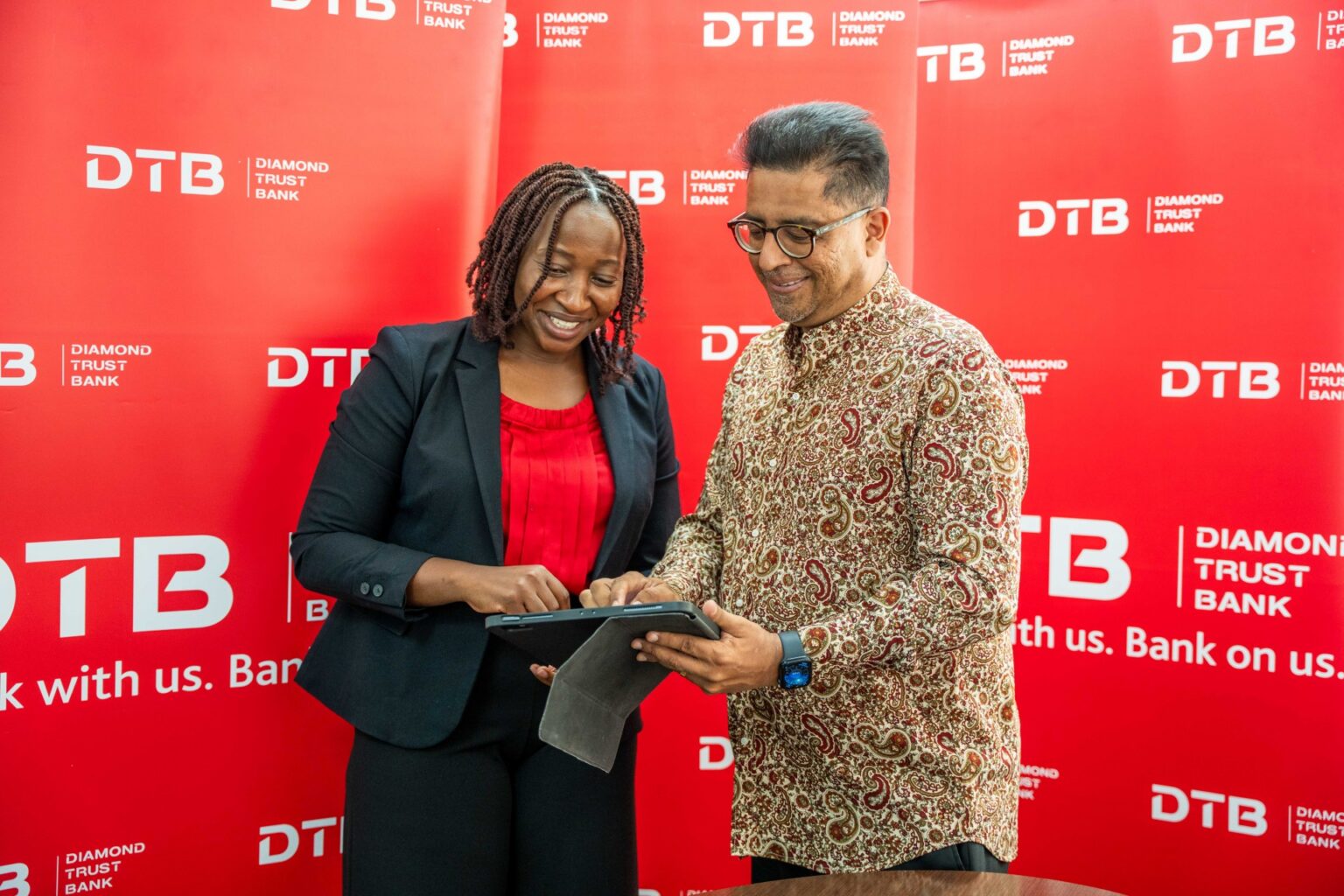
While the recovery is expected to be broad-based, DTB cautions that sectoral growth will be uneven. According to DTB Head of Research Faith Atiti, sectors tied to household consumption and infrastructure are likely to outperform, while others may recover at a slower pace due to lingering cost pressures and global uncertainties.
DTB further observes that improving labour market conditions, contained inflation and an accommodative monetary policy stance should gradually lift household incomes. “Accelerated economic growth, well-managed inflation, strengthening labour markets and the accommodative stance of the central bank are expected to support a gradual improvement in household incomes and spending,” the bank said.
On monetary policy, the outlook projects that the Central Bank of Kenya (CBK) could lower interest rates, a move that would help stimulate private sector credit growth. However, DTB warns that the trajectory of rates will largely depend on the government’s domestic borrowing needs, with excessive reliance on local financing posing risks to private sector access to credit.
Regionally, DTB expects Uganda and Tanzania to post faster growth than Kenya in 2026, supported by post-election stabilisation following polls in October 2025 and January 2026 respectively. The outlook flags key regional risks, including reduced foreign aid, fiscal pressures, external market volatility and rising socio-political activity, particularly as Kenya heads toward the 2027 General Election.