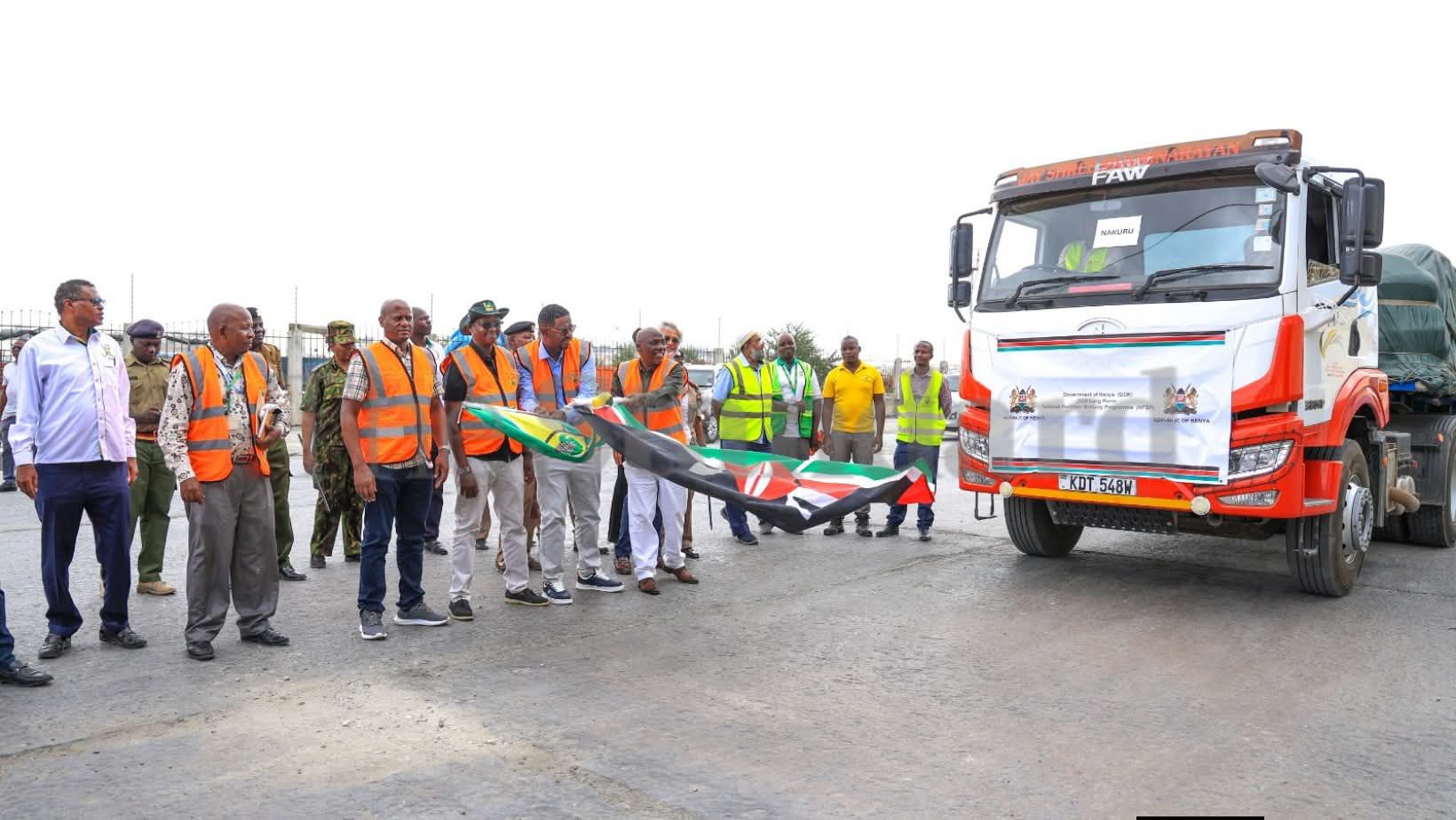
The government has begun rolling out fertilizer for the March planting season, with the first major consignment arriving through the Port of Mombasa in an early move aimed at safeguarding farm productivity and food security. The shipment, released weeks ahead of the long rains, reflects a policy shift toward early planning and coordinated logistics to avoid delays that have previously disrupted planting schedules and reduced crop yields.
The arrival of the first major fertilizer consignment through the Port of Mombasa ahead of the March planting season marks a calculated policy move by the government to stabilize agricultural production and shield farmers from the disruptions that have historically undermined yields during the long rains. By releasing millions of subsidized fertilizer bags well before planting begins, the State is signaling a shift from reactive crisis management to anticipatory planning anchored in logistics discipline, market coordination, and farmer-centered delivery.
outing the consignment through Mombasa underscores the strategic use of national infrastructure to shorten lead times and reduce bottlenecks. The port remains the backbone of Kenya’s agricultural import supply chain, and early clearance and onward dispatch to National Cereals and Produce Board depots nationwide improves predictability for farmers preparing land. This approach directly addresses past seasons where delayed inputs compressed planting windows and eroded productivity, particularly for maize, tea, and other rain-fed crops.
Operationally, the phased distribution model reflects lessons learned from previous subsidy cycles. By staggering deliveries and aligning them with regional planting calendars, the government is reducing congestion at depots and improving stock visibility across counties. Integrating fertiliser and certified seed distribution at single collection points further cuts transport costs for farmers and lowers the risk of delays caused by fragmented input systems. This consolidation enhances supply chain efficiency while improving uptake among smallholder farmers who are most sensitive to time and cost pressures.
Economically, the fertilizer consignment strengthens household resilience and national output by lowering production costs at scale. Price stabilization through subsidies protects farmers from volatile global input markets while supporting consistent acreage under cultivation. For smallholders, timely access to inputs translates into higher yields and better market participation, reinforcing rural incomes and local demand. At the macro level, improved harvests support food price stability, reduce import dependence, and contribute to broader economic diversification goals.
The initiative also highlights deeper public-private collaboration across procurement, logistics, and last-mile delivery. Importers, transporters, storage operators, seed companies, and county governments are working within a coordinated framework that prioritizes speed, accountability, and equitable access. Enhanced security oversight and digital voucher systems strengthen traceability, reducing the risk of diversion and ensuring that subsidized inputs reach intended beneficiaries.
Quality assurance and environmental safeguards form a central pillar of the programme. Fertilizer batches undergo verification by relevant standards agencies to ensure suitability for specific crops, soils, and agro-ecological zones. Tailored formulations reduce over-application and nutrient runoff, supporting sustainable farming practices while protecting soil health. Improved storage strategies at depots minimize spoilage and wastage, preserving input quality through the distribution cycle and reinforcing long-term agricultural resilience.
Strategically, the fertilizer rollout aligns squarely with President William Ruto’s Bottom-Up Economic Transformation Agenda by prioritizing productivity at the farm level as a driver of inclusive growth. It advances Kenya Vision 2030 objectives by modernizing agriculture, strengthening value chains, and integrating smallholders into a more efficient and predictable input market. The focus on early delivery, logistics coordination, and farmer empowerment reflects a citizen-centered development model that treats food security as both an economic and social priority.
As the March rains approach, the Mombasa fertilizer consignment stands as a practical demonstration of the State’s commitment to supporting farmers through deliberate planning and execution. By aligning infrastructure, policy, and partnerships, the government is reinforcing confidence in the agricultural season ahead, strengthening national food security, and advancing a growth agenda rooted in timely inputs, productive farms, and resilient rural livelihoods.
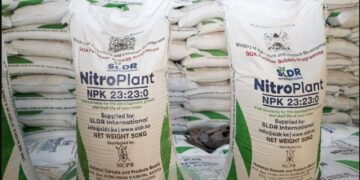
President William Ruto has announced further reductions in subsidized fertilizer and maize seed prices, with a 50kg bag of fertilizer set to cost Sh2,000, down from Sh2,500, and...
Read moreDetails