Kenya has intensified diplomatic efforts to secure zero-duty access for its top agricultural exports to China in a move aimed at boosting farmer incomes, strengthening value chains and narrowing the country’s widening trade deficit with Beijing.
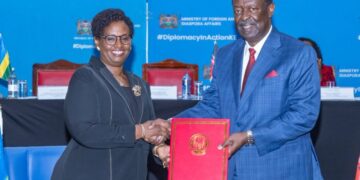
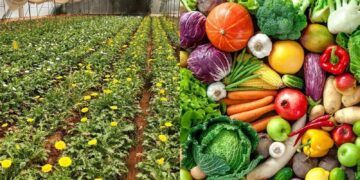
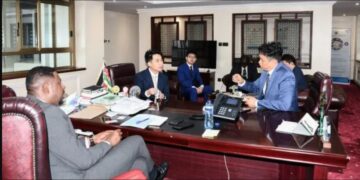
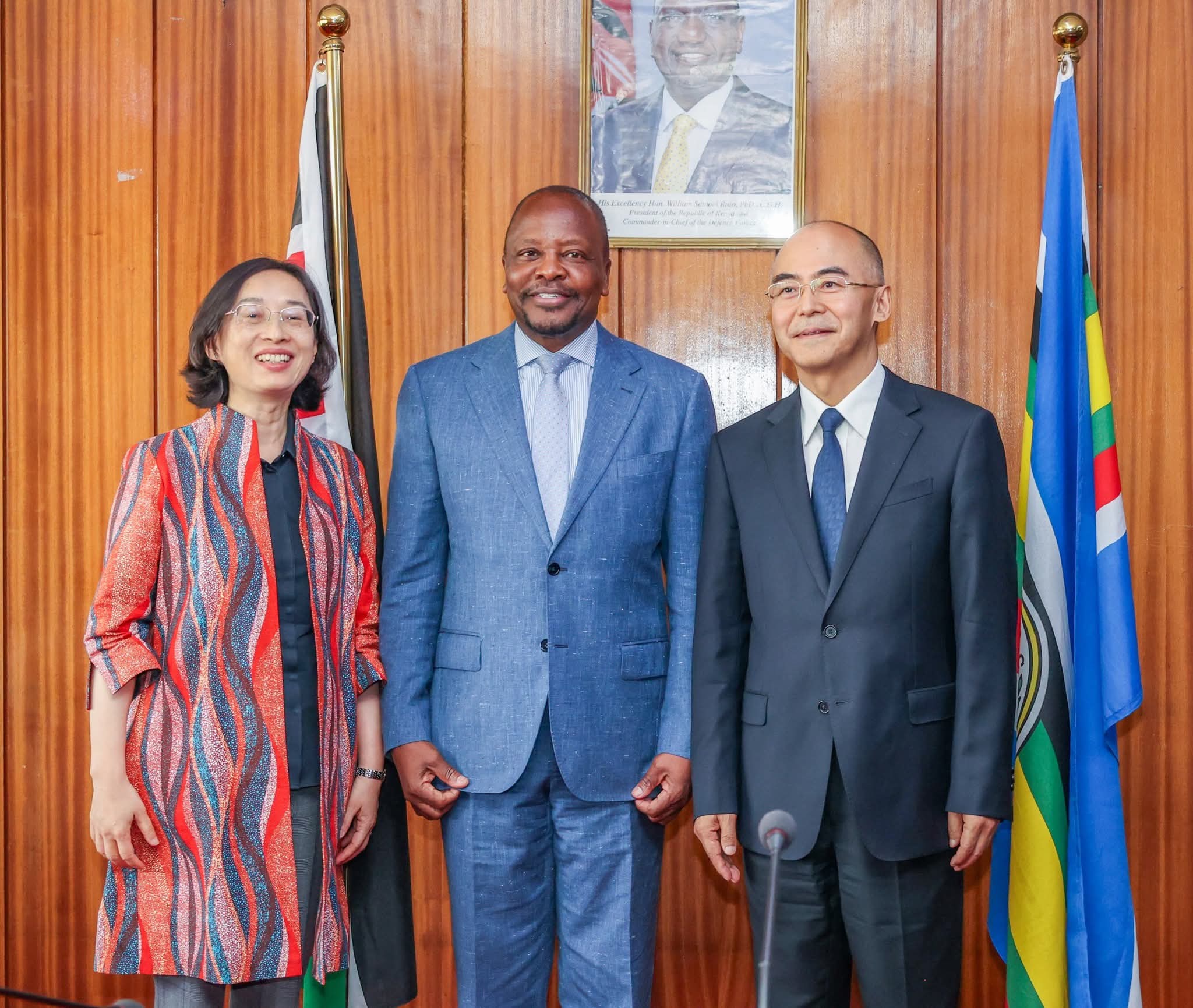
Agriculture Cabinet Secretary Mutahi Kagwe led high-level talks in Beijing with senior officials from the General Administration of China Customs, urging faster clearance and tariff removal on flagship products including coffee, tea, avocados, mangoes, dried chillies, green grams, dried fruits and plant-based medicinal materials. Current duties range from 8 percent on non-roasted coffee to as high as 20 percent on roasted coffee and avocados.
Kagwe said tariff elimination is essential to rebalancing trade, noting that Kenya imported goods worth about KSh583 billion from China in 2024 but exported only KSh37 billion, largely unprocessed agricultural commodities. He emphasized that Kenyan farmers, cooperatives and exporters are prepared to meet rising Chinese demand once approvals and duty waivers are in place.
Kenya has completed all required technical submissions, with KEPHIS confirming readiness for expanded exports pending China’s final clearance. The government is also working closely with farmers’ groups, exporters, and sector associations to improve product quality, strengthen certification systems and support compliance with China’s strict sanitary and phytosanitary standards.
Alongside tariff negotiations, Kenya is pursuing complementary measures such as value chain upgrading, laboratory strengthening, capacity-building for producers, and promotion of sustainable farming practices to ensure competitiveness in premium Asian markets. The two sides are finalizing a bilateral framework that would institutionalize zero-duty access for major Kenyan agricultural goods.
Kagwe also pressed for faster approvals for livestock exports, some delayed for more than two years, saying the entry of Kenyan meat into China would be a breakthrough for rural producers and a major boost to job creation.
The push for tariff-free access is part of Kenya’s broader strategy to diversify export markets, support rural development, deepen industrialization in agriculture and expand opportunities for smallholder farmers. Officials say unlocking the Chinese market would attract investment into processing, enhance export earnings, strengthen bilateral trade ties and support long-term economic stability.
Kenya’s message to Beijing is clear: removing tariff barriers would not only rebalance trade but also reinforce a mutually beneficial partnership anchored in equitable trade, sustainable growth and shared prosperity.
President William Ruto has announced further reductions in subsidized fertilizer and maize seed prices, with a 50kg bag of fertilizer set to cost Sh2,000, down from Sh2,500, and...
Read moreDetails