Kenya is on course to ship its first batch of crude oil from Turkana by December 2026. This marks a major step toward transforming the country into a regional oil producer and boosting long-term economic growth. The milestone follows rapid progress in field development, infrastructure upgrades, and export logistics under the leadership of Gulf Energy, which acquired Tullow Oil’s Turkana assets earlier this year for 120 million dollars.
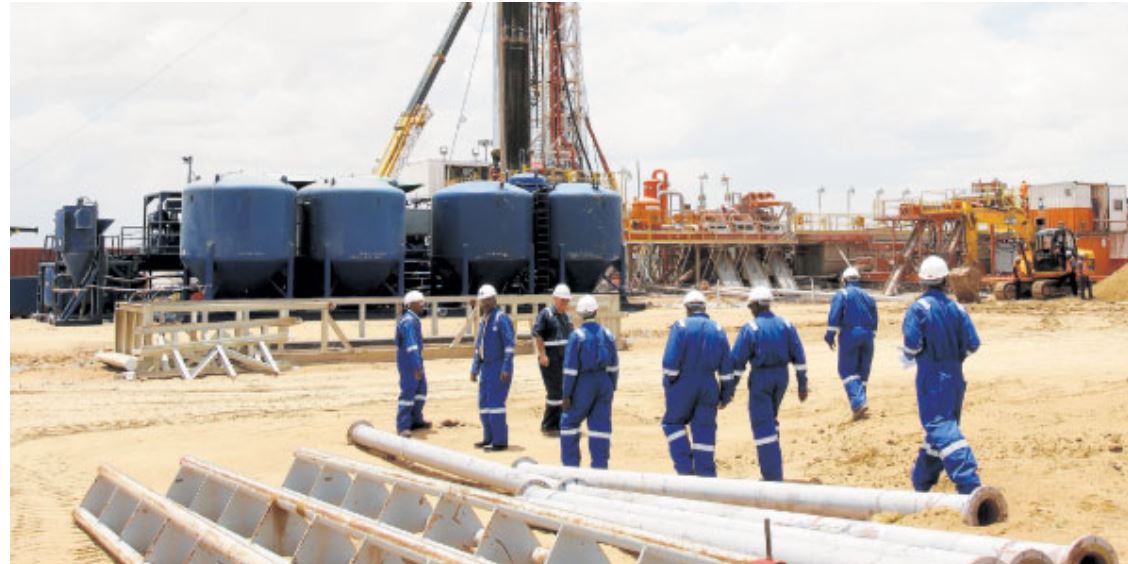
Gulf Energy’s Field Development Plan has secured approval from Energy Cabinet Secretary Opiyo Wandayi and is now awaiting parliamentary ratification. This is the final requirement before drilling begins. Once approved, work is expected to start early next year, with drilling around the Lokichar oil fields scheduled for January and February 2026. The production timetable targets the first export-ready crude shipment by the end of 2026, a timeline government official say is realistic and economically significant.
The South Lokichar Basin holds an estimated 560 million barrels of recoverable oil and is being prioritized for fast-tracked extraction. Early production is projected in the range of 60,000 to 100,000 barrels per day. While the long-term strategy includes an 895-kilometre export pipeline to Lamu, initial shipments may be transported by road to Mombasa, similar to the 2019 Early Oil Pilot Scheme. Preparations are underway to rehabilitate key transport corridors and enhance storage and loading facilities to support efficient movement of crude.
he rollout is anchored in strengthened regulatory frameworks that outline field development, environmental oversight, decommissioning guidelines, and community compensation arrangements. The plan includes government and private sector coordination, renewed exploration rounds, and investment incentives designed to restore investor confidence after years of delays. Parliament’s upcoming review under Article 71 is expected to reinforce transparency and give the project a strong legal foundation.
Government officials emphasize that community engagement and environmental safeguards are central to the next phase. Turkana communities are expected to benefit from revenue-sharing commitments, local employment opportunities, and expanded social investments in water access, health facilities, education, and road infrastructure. Capacity-building programmes will prepare local workers for technical roles in drilling, logistics, and support services, helping ensure that local participation grows throughout the project.
Gulf Energy is also working with national agencies to establish environmental protection measures covering water use, waste management, and biodiversity conservation in the fragile arid ecosystem. These measures aim to ensure that oil development proceeds responsibly while minimizing ecological impact.
The anticipated economic benefits extend beyond Turkana. National revenue is expected to rise as production increases, creating new fiscal space for development programmes. The supply chain around the project, from transport companies to manufacturers and service providers, is likely to generate thousands of jobs. Technology transfer, professional training, and expanded business opportunities are set to strengthen Kenya’s industrial base.
For Turkana, the project promises improved livelihoods, enhanced social infrastructure, and expanded market access. Local businesses will benefit from increased demand for goods and services, while county authorities expect sustained long-term growth supported by resource revenues.
Nationally, the December 2026 export target aligns with Kenya’s wider goals for industrialization, inclusive growth, and economic diversification. By unlocking the potential of its natural resource base, the country aims to bolster energy security, reduce external vulnerabilities, and attract new strategic investments in infrastructure.
Officials view the upcoming milestone as a turning point after nearly fifteen years of exploration setbacks, financing hurdles, and logistical delays. With a Kenyan company now leading development, the project has regained momentum and is better positioned to deliver real benefits at both national and community levels.
The Turkana oil rollout is poised to become one of Kenya’s most significant economic undertakings. It is anchored in responsible resource management, equitable benefit-sharing, and a commitment to ensuring that the country’s oil wealth supports sustainable national progress and community empowerment.
Kenya and Bangladesh are stepping up efforts to expand trade, investment and technical cooperation, with Nairobi seeking to establish a resident diplomatic mission in Dhaka and open new...
Read moreDetails