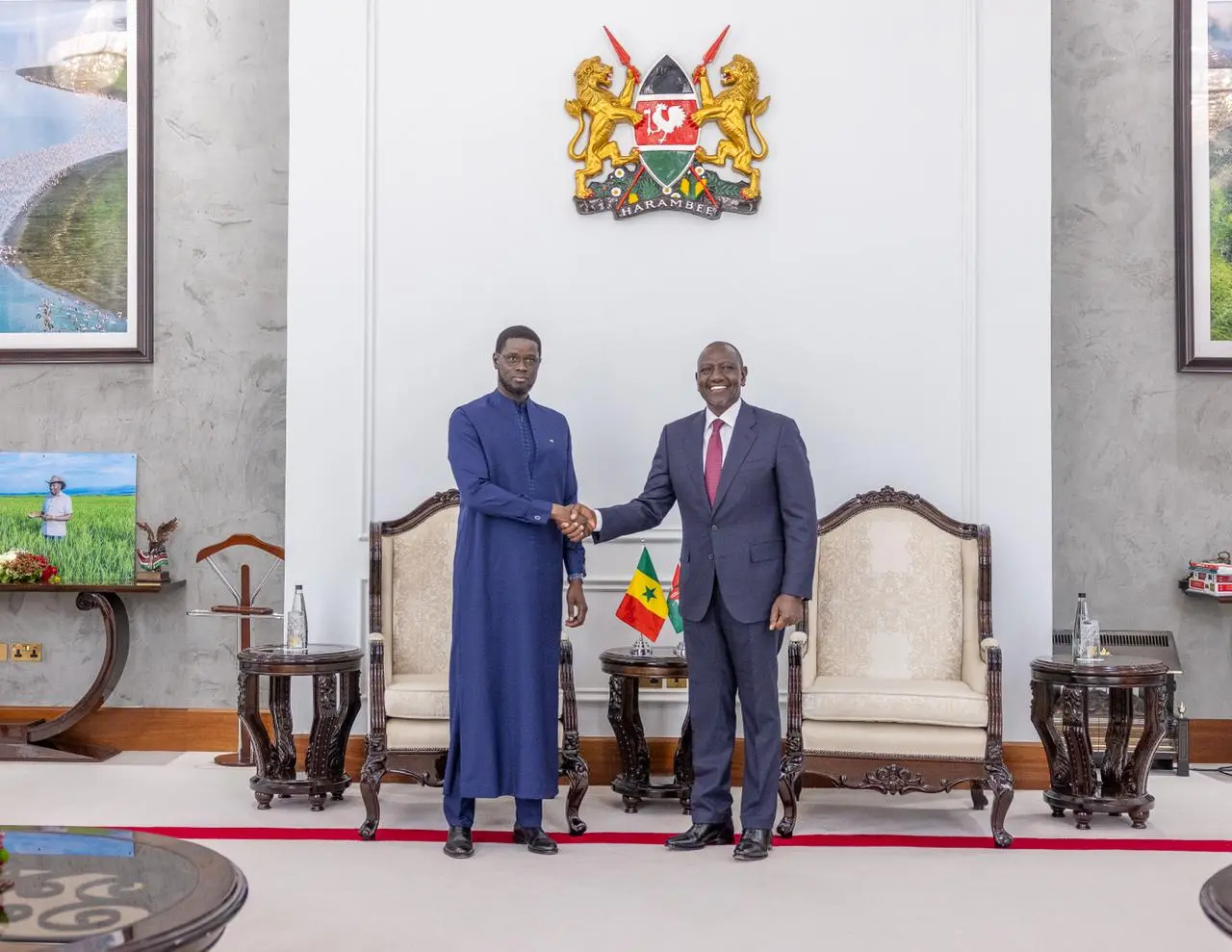
Kenya and Senegal have signed a landmark visa-free agreement that allows citizens of both countries to travel, stay, or transit for up to 90 days without requiring a visa. The bilateral deal, signed on Tuesday at State House, Nairobi, during a meeting between President William Ruto and Senegalese President Bassirou Diomaye Faye, applies to holders of both diplomatic and ordinary passports. The agreement is expected to enhance travel, trade, and cultural exchange between the two nations, marking a new chapter in Kenya–Senegal relations.
President Ruto hailed the deal as a key step toward deepening African unity and promoting people-to-people connectivity. He emphasized that the visa waiver would ease movement for businesspeople, students, and tourists, enabling stronger partnerships in investment and innovation. “We recognise the foundations that already exist between our two nations and are pleased to announce the conclusion of a new Visa Waiver Agreement that allows citizens of both countries visa-free travel for up to 90 days,” said President Ruto.
The two leaders also agreed to establish a Joint Cooperation Commission (JCC) to oversee and expand bilateral engagements. Kenya is set to host the first JCC session in the second half of 2026. According to President Ruto, the commission will play a central role in strengthening cooperation across sectors such as trade, education, infrastructure, and technology, while monitoring the implementation of signed agreements. This structured collaboration will ensure both nations derive maximum value from the partnership.
From an economic perspective, the visa-free arrangement is a major boost to businesses in both Kenya and Senegal. Entrepreneurs and investors will now find it easier to explore new opportunities, attend trade fairs, and establish partnerships without bureaucratic delays. Both presidents noted that trade volumes between the two nations remain low, and pledged to address barriers by improving transport links, harmonizing trade standards, and enhancing digital connectivity.
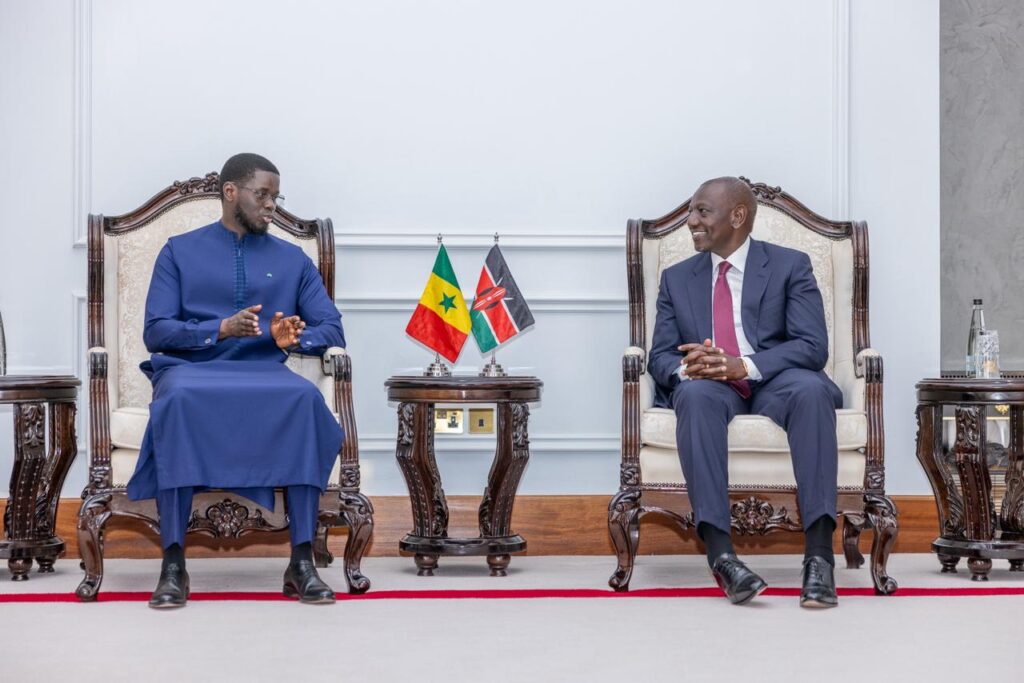
The agreement also aligns with the objectives of the African Continental Free Trade Area (AfCFTA) and Agenda 2063, which aim to promote industrialization, economic integration, and free movement across Africa. By facilitating mobility, the Kenya–Senegal deal supports these continental goals and encourages intra-African trade. It sends a strong message that African nations can unlock immense potential through cooperation rather than isolation.
Beyond economics, the two leaders discussed peace, security, and governance reforms in Africa. They agreed to jointly support regional stability through inclusive strategies that address the root causes of conflict. Both countries also reaffirmed their commitment to reforming the African Union to make it more effective in championing Africa’s development agenda and amplifying African voices in global decision-making.
In conclusion, the Kenya–Senegal visa-free travel deal represents more than just a diplomatic milestone—it is a bridge connecting two economies, cultures, and peoples. By removing travel restrictions, the two countries are opening doors for greater trade, tourism, and collaboration. For citizens of both nations, this agreement symbolizes a shared vision for a stronger, more integrated, and prosperous Africa.