The government has unveiled plans to construct a 700MW hydroelectric dam in the Eastern Region at a cost of Sh340 billion under a Public Private Partnership arrangement. Known as the High Grand Falls Dam, the project is expected to become one of the country’s largest infrastructure undertakings in recent years, boosting electricity generation, enhancing investor confidence, and strengthening Kenya’s ambition of achieving 100 percent renewable energy reliance by 2030.
The proposed dam will rank among the most significant hydropower facilities in East Africa, positioning Kenya alongside regional leaders in clean energy development. Once completed, it will provide an additional 700MW to the national grid, a critical intervention at a time when peak electricity demand has already risen to 2,392MW from 2,149MW within a short span. With more households and industries coming online, this expansion is both timely and necessary to secure steady, sustainable power.
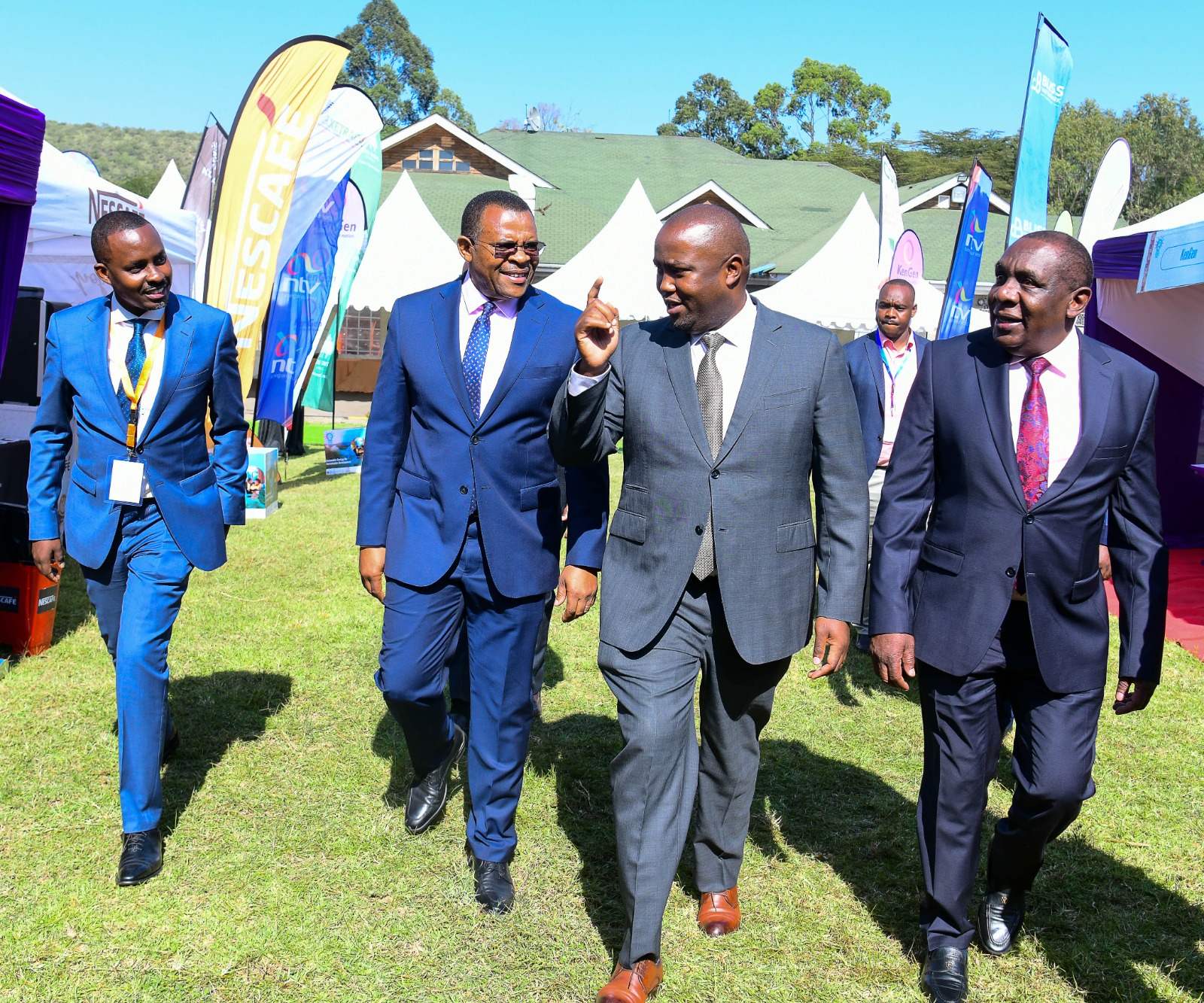
Energy Principal Secretary Alex Wachira, speaking during the Sustainable Energy Conference in Naivasha, noted that plans for the project are at an advanced stage, with KenGen expected to spearhead its implementation over the next five years. He emphasized that the dam will complement existing renewable sources such as geothermal, solar, and wind while also addressing pressing issues of energy poverty, carbon emissions, and unequal access to electricity. The government’s vision extends beyond generation, with parallel efforts to upgrade critical distribution lines to reduce losses and ensure efficient delivery of power across the country.
These efforts build on progress made under the Kenya Kwanza administration, which has already connected 1.2 million Kenyans to electricity and targets an additional one million by 2026. With universal access to power set as a national goal for 2030, the High Grand Falls project is more than just a hydro scheme and it represents a strategic investment in social equity and economic transformation. Reliable power supply is a catalyst for manufacturing, digital services, and rural development, all central to Kenya’s growth trajectory.
KenGen’s Managing Director, Engineer Peter Njenga, outlined the company’s broader ten-year strategy to add 1,500MW to the grid by 2034 through renewable sources, at a cost of USD 4.3 billion. This includes 200MW from solar in Marsabit, 200MW from geothermal in Menengai, and 100MW from Baringo. Njenga welcomed the hydro project as a key contributor to this expansion, reinforcing Kenya’s transition toward a fully green energy system. He also highlighted the opportunity for investors at Olkaria, where KenGen has set aside 342 hectares of land within its geothermal fields for enterprises to run entirely on green power. Already, this has attracted global players, including Microsoft and G42, who signed an MoU with the government for the construction of a USD 1 billion data center powered by geothermal energy.
Kenya’s renewable energy agenda has further been bolstered by international partners. Germany, for instance, has invested over Sh75 billion in the energy sector, contributing to the generation of more than 450MW. Deputy Head of Mission Alexander Fierley reaffirmed his country’s support for Kenya’s green transition, citing both funding and capacity building as central areas of collaboration.
Regionally, the High Grand Falls Dam will be the third-largest hydropower station in East Africa, after Ethiopia’s Grand Renaissance Dam and Tanzania’s Julius Nyerere Hydropower Project. While Kenya has traditionally been known for its geothermal leadership, this project signals its intention to remain competitive in hydropower development and to anchor its leadership role in the continent’s energy future.
Ultimately, the dam represents more than an expansion of generation capacity. It is a national statement of intent; to provide clean, reliable energy, attract global investment, and uplift communities by closing access gaps. As Kenya accelerates toward universal electricity access and a fully renewable energy mix, the High Grand Falls Dam stands as both a symbol of ambition and a cornerstone of sustainable development.
Kenya signed a memorandum of understanding with Endelevu Enterprise Corporation for a proposed US$3 billion, approximately KSh390 billion, investment in electric vehicle manufacturing and green mobility infrastructure, opening...
Read moreDetails