Kenya and China have embarked on a transformative strategic partnership aimed at revitalizing Kenya’s agriculture and livestock sectors through targeted investment, technology transfer, and agro-industrial development. The Government of Kenya, through the State Department for Agriculture, is leveraging this collaboration to modernize key value chains, increase productivity, and tap into regional and global markets. This renewed engagement highlights both nations’ commitment to sustainable development and mutual prosperity.
Principal Secretary for Agriculture, Kipronoh Ronoh, emphasized the strategic importance of the partnership during a high-level bilateral meeting held in Nairobi. Hosting a Chinese delegation, Ronoh pointed out that the collaboration offers not only a boost to Kenya’s food security and export potential but also provides Chinese investors access to one of Africa’s fastest-growing agricultural markets. “This investment opportunity with Chinese partners underscores Kenya’s role as the gateway to East Africa, catering to a continent increasingly focused on agricultural modernization,” he stated.
A key proposal on the table is the establishment of an agricultural machinery assembly plant in Kenya. This facility would take advantage of Kenya’s strategic logistics position within the East African Community (EAC), enabling efficient distribution across the region. China’s global leadership in agricultural technology positions it as a valuable partner in driving innovation across the country’s agricultural landscape, from mechanized farming to smart irrigation systems.
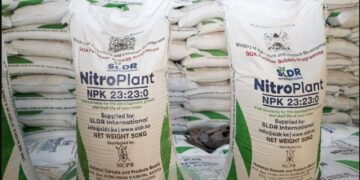
The PS also encouraged Chinese firms to explore high-value areas such as bio-organic fertilizer production, value addition for agricultural produce, and digital farming technologies. Opportunities were highlighted in Kenya’s premium sectors, including tea and coffee packaging, as well as agro-processing for crops like macadamia nuts, soybeans, and coffee. Ronoh noted that Kenya’s favorable trade environment—bolstered by the EAC Common External Tariff and the African Continental Free Trade Area—offers attractive incentives for long-term agricultural investments.
Additionally, the partnership seeks to deepen research collaboration and technology transfer, particularly in irrigation and smart farming. Ronoh extended an invitation to Chinese stakeholders to attend the upcoming Agricultural Investment Conference scheduled for October 2025, describing it as a landmark platform to catalyze investment and foster agritech transformation. He expressed confidence that China’s participation would enrich the dialogue, given its track record in agricultural innovation.
On the livestock front, Deputy Director for Livestock Development, Dennis Onkundi, emphasized the country’s openness to Chinese investments in the dairy and beef sectors. He highlighted areas such as disease diagnostics, residue testing, and cold chain development as crucial to enhancing food safety and quality. For the beef value chain, which already exports to the Middle East, Onkundi advocated for large-scale production partnerships through Kenya’s land commercialization initiative.
Furthermore, the government is actively promoting Chinese investment in pig farming, capitalizing on China’s vast expertise in the sector. “Kenya currently imports pig meat cuts from Brazil, but we believe that with mechanization and modern farming techniques, we can meet domestic demand and become a net exporter,” Ronoh noted. He also underlined Kenya’s potential to emerge as a leading regional exporter of poultry products, provided the sector receives adequate investment in mechanized production and value chain efficiencies.
This strategic partnership marks a pivotal step toward building resilient and competitive agri-food systems, aligning Kenya’s development priorities with China’s technological strengths and capital investment capacity.