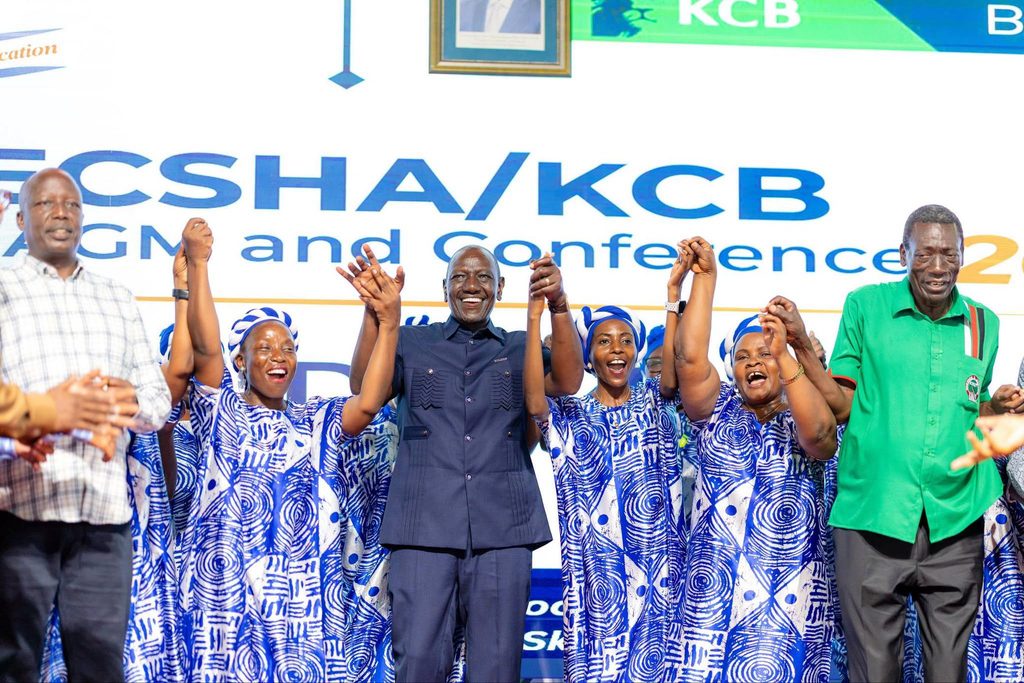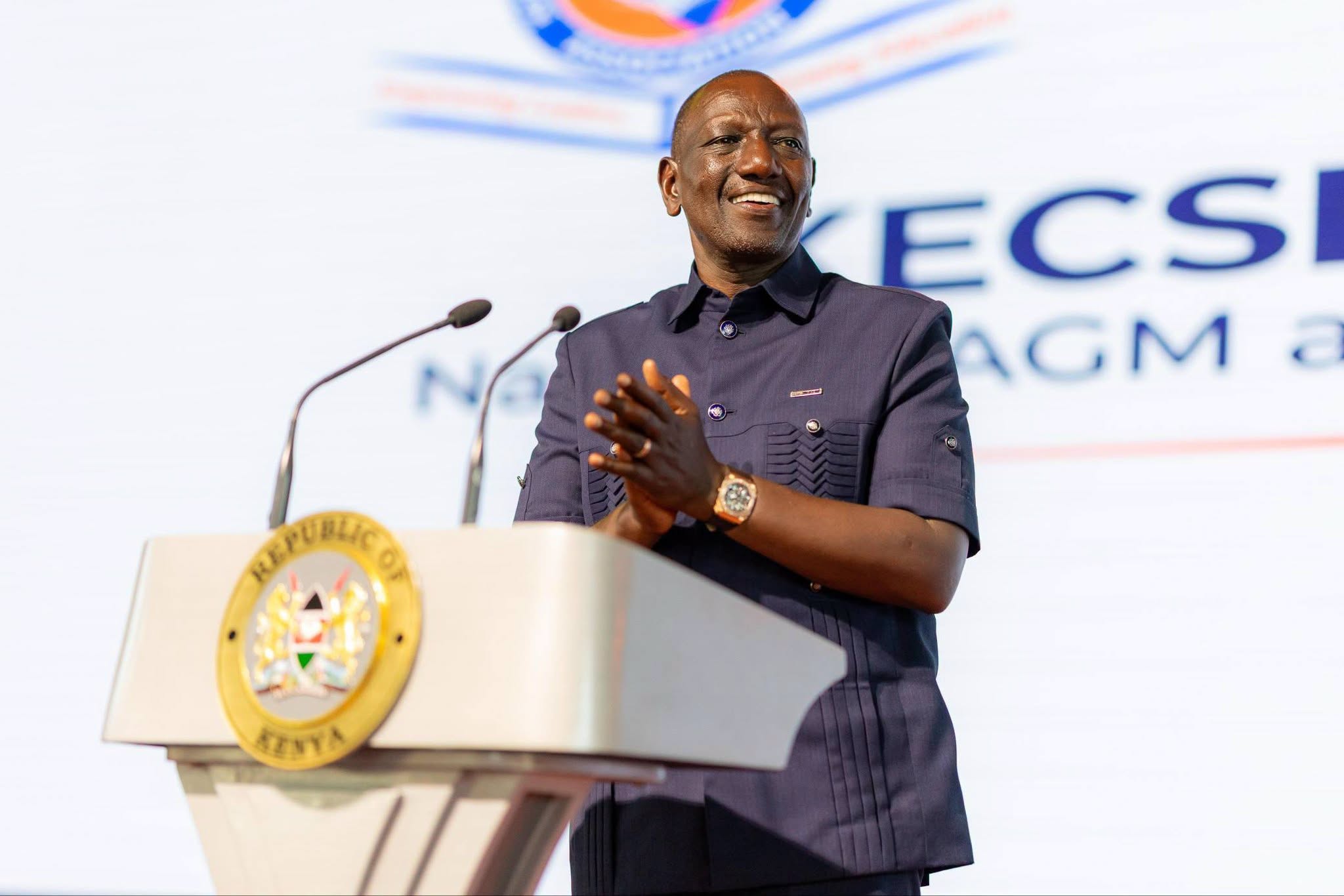
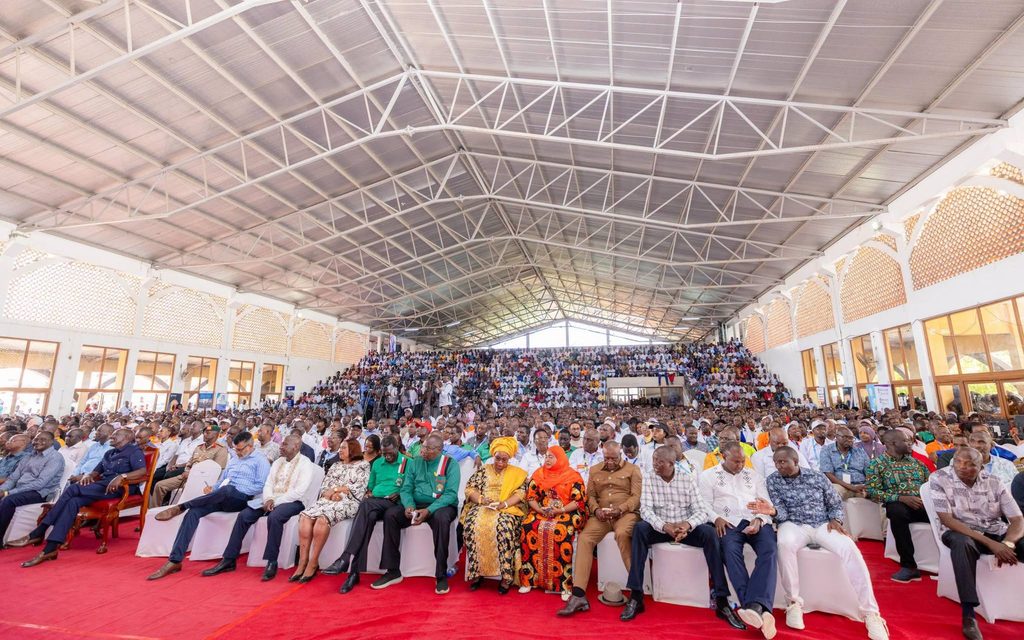
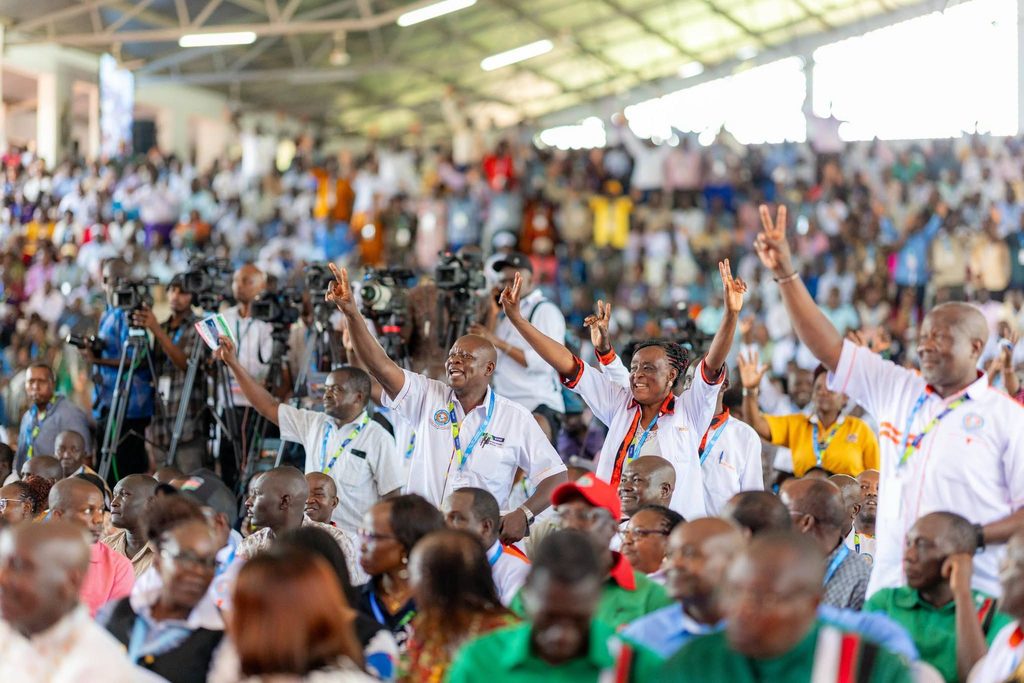
President William Ruto officially closed the annual Kenya Comprehensive School Heads Association (KECSHA) National Annual General Meeting and Conference in Mombasa County. Held at the Sheikh Zayed Children Welfare Centre in Nyali, the high-stakes gathering brought together over 15,000 school administrators from across the nation, with an additional 1,000 joining virtually. Accompanied by Education Cabinet Secretary Julius Migos Ogamba, Mombasa Governor Abdulswamad Shariff Nassir, and senior Teachers Service Commission (TSC) officials, the Head of State used the platform to announce transformative funding, staffing, and legislative reforms aimed at stabilizing Kenya’s evolving education sector.
Addressing one of the most pressing grievances within the teaching fraternity, President Ruto announced an additional allocation of Sh4 billion specifically dedicated to teacher career progression. The funds will facilitate the promotion of 50,000 teachers during the current financial year, marking what the President described as the largest single-year promotion exercise in the country’s history. This move directly targets the longstanding issue of career stagnation, where thousands of educators have remained in the same job group for over a decade without upward mobility.
The financial boost follows the formal approval of revised Career Progression Guidelines (CPG 2026) by the Salaries and Remuneration Commission (SRC) just two days prior to the conference. Negotiated jointly by the Teachers Service Commission and major teachers’ unions, the new guidelines establish a clearer, fairer framework for professional advancement. Classroom teachers and school heads alike welcomed the announcement, noting that the updated framework ensures career growth is accessible to everyday classroom educators rather than being restricted solely to administrative staff.
In a major win for school operations, the President directed the Ministry of Education to conduct an urgent upward review of public school capitation funds. While noting that his administration had previously adjusted primary school capitation from Sh1,400 to Sh2,340 per learner, President Ruto acknowledged that rising operational costs and inflation have rendered the current allocation insufficient. He instructed Education CS Ogamba and the TSC to collaborate with school headteachers and present a comprehensive funding review report on his desk by January 2027.
Beyond increasing the amounts, President Ruto assured school administrators of predictable and timely disbursements. Starting in 2027, the government will release capitation funds in full before schools reopen for each term, eliminating the disruptive practice of sending money in staggered installments. The President also highlighted that Senior School capitation has already been raised from Sh17,000 to Sh22,000, backed by over Sh86 billion released ahead of the academic terms to keep learning institutions running smoothly.
Staffing shortages, long a thorn in the side of public education, featured prominently in the President’s keynote address. President Ruto revealed that his administration has recruited 100,000 teachers over the past four years to bridge the massive 116,000-teacher deficit inherited in 2022. He further announced that an additional 20,000 teachers will be hired in December 2026, cementing what he termed the most rapid expansion of the teaching workforce since independence.
The massive recruitment drive earned strong praise from union leaders present at the coastal gathering. Kenya National Union of Teachers (KNUT) Secretary-General Collins Oyuu commended the President for prioritizing teacher employment and welfare, stating that investing in educators directly translates to national productivity. Meanwhile, Mombasa Governor Abdulswamad Shariff Nassir applauded the hiring numbers while urging authorities to ensure equitable distribution of the incoming teachers so that counties facing historical staffing gaps receive their fair share.
Turning to structural reforms, the President outlined decisive steps to anchor the Competency-Based Education (CBE) model and the Comprehensive School system in firm law. Currently, primary and junior schools are being merged into single institutions known as Comprehensive Schools to streamline management from Pre-Primary 1 through Grade 9. President Ruto announced that the Ministry of Education will submit proposals to Parliament within 90 days to amend the Basic Education Act, formally defining the governance, staffing, and financing structures of these unified institutions.
To support the physical transition of learners into Junior and Senior Schools, the Head of State detailed extensive ongoing infrastructure investments. He reported that the government has successfully constructed over 23,000 new classrooms nationwide and is actively delivering 1,600 modern science laboratories. Education CS Ogamba reinforced this commitment, noting that the education sector has consistently received nearly 30 percent of the national budget over the last four years to build a resilient foundation for curriculum transformation.
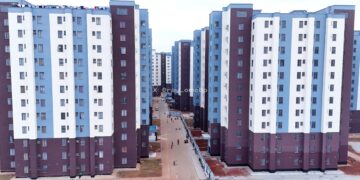
Teachers’ personal welfare and take-home pay also received significant attention during the Mombasa deliberations. President Ruto reiterated that 20 percent of all units under the national Affordable Housing Programme have been ring-fenced exclusively for teachers, alongside enhanced medical coverage under the Social Health Authority (SHA). Furthermore, he explained how proposed Pay As You Earn (PAYE) tax reforms—which seek to raise the tax-free income threshold from Sh24,000 to Sh32,000—will increase teachers’ net monthly earnings even after statutory housing levy deductions.
Looking toward the future, President Ruto challenged the 15,000 school heads to align their teaching methods with a rapidly evolving, technology-driven global economy. Warning that traditional rote memorization is obsolete in the age of artificial intelligence, he urged educators to focus on practical skills, innovation, and critical thinking. At the same time, he set a clear foundational target for the nation’s schools: ensuring that every Kenyan child can read, write, and count proficiently by the end of Grade 3 by the year 2030.
As the four-day conference drew to a close, the mood among the thousands of delegates reflected cautious optimism. With firm deadlines set for January capitation reviews, December teacher recruitments, and immediate legislative amendments, the focus now shifts from the conference halls of Mombasa to implementation on the ground. If executed as promised, the commitments unveiled by President Ruto stand to reshape school administration, ease financial strain on headteachers, and revitalize morale across Kenya’s teaching profession.