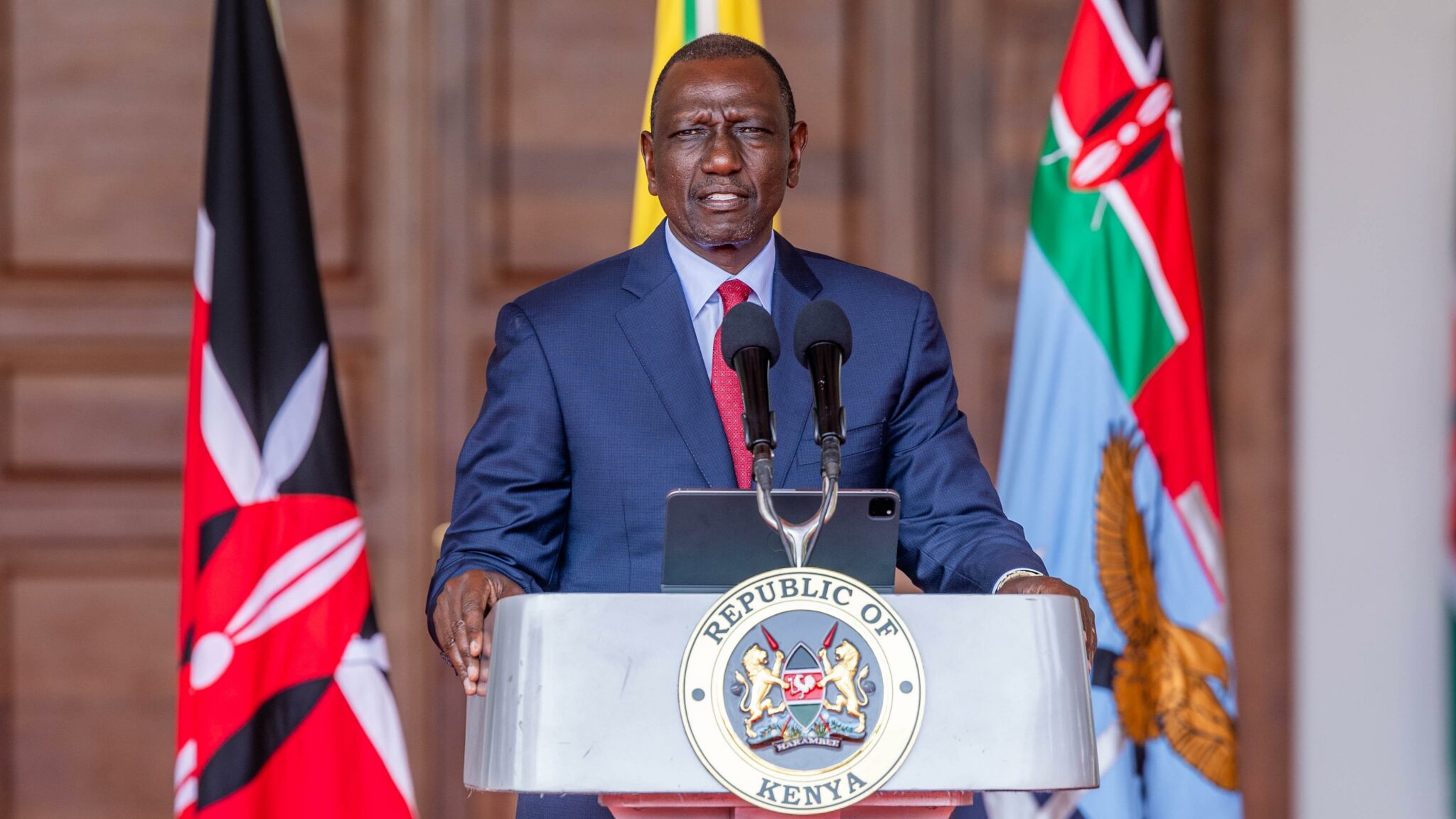
President William Ruto has placed Micro, Small and Medium Enterprises (MSMEs) at the center of Kenya’s economic transformation strategy, recognizing the sector as the backbone of job creation, innovation, and grassroots wealth generation. Through targeted policy reforms, financing programs, and infrastructure development, the administration has rolled out a comprehensive agenda aimed at unlocking the full potential of small businesses across the country.
At the heart of this agenda is the establishment of the Hustler Fund, which has disbursed over KSh 82 billion in affordable credit to more than 27.2 million beneficiaries. The fund has significantly expanded access to capital for small traders, boda boda operators, mama mbogas, and youth entrepreneurs who previously struggled to access formal financial services. By offering affordable loans, the government has sought to reduce reliance on shylocks and predatory lending systems.
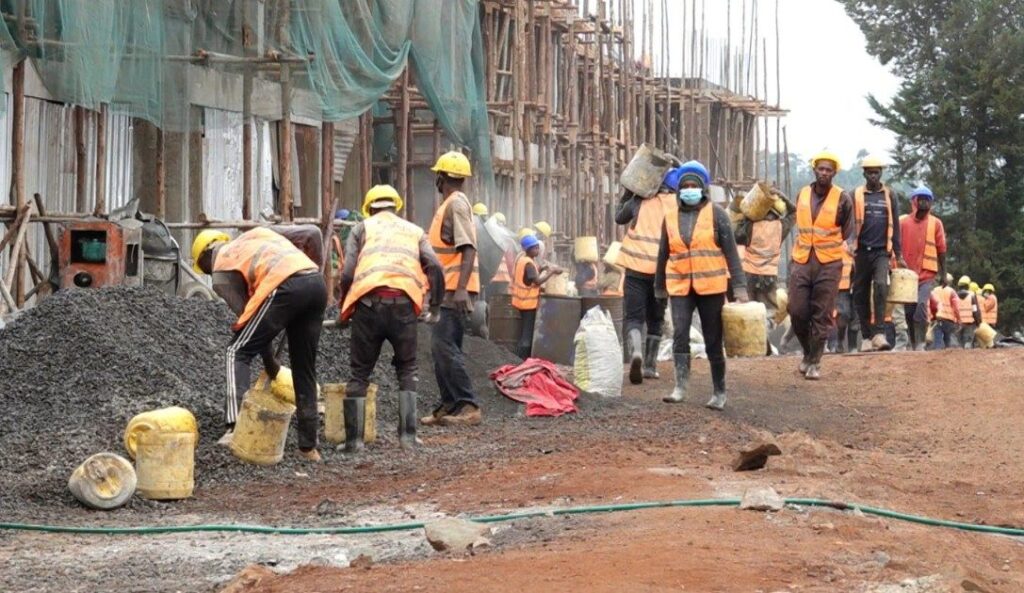
In addition, KSh 15 billion has been allocated to MSMEs within the Affordable Housing Program supply chain. This move ensures that small businesses directly benefit from large-scale national development projects by supplying materials, labor, and related services. It creates a multiplier effect where government infrastructure investments stimulate local enterprise growth.
Youth empowerment remains a key pillar of the MSME strategy. Through the NYOTA program, 820,000 young people have been targeted for training and business support. By equipping youth with skills, mentorship, and financial access, the government aims to curb unemployment while fostering a generation of innovative entrepreneurs capable of scaling enterprises locally and internationally.

To improve the working environment for traders, over 450 modern markets are underway across the country. These markets are designed to provide dignified trading spaces for MSMEs, complete with better sanitation, storage facilities, and structured stalls. The initiative not only enhances business conditions but also formalizes informal trade.
Financial inclusion efforts have also extended to clearing 7 million Kenyans who had been blacklisted by Credit Reference Bureaus (CRBs). By enabling these individuals to regain access to credit, the administration has reopened economic opportunities for millions who were previously locked out of the financial system.
Digitization has further strengthened the MSME ecosystem. Government services have expanded from 350 digitized services in 2022 to over 21,000, significantly reducing bureaucracy and improving efficiency. Simplified online processes for registration, licensing, and compliance have lowered barriers to entry and operational costs for small businesses.
The government has also focused on formalization and policy reforms. Over 2.2 million new MSMEs have been registered to enhance access to support services, including AGPO opportunities. The MSME Policy 2025 seeks to rationalize business licensing frameworks, while the Start-Up Bill 2024, passed by the National Assembly, provides structured support for innovation-driven enterprises.
Industrialization efforts are equally central to the agenda. Thirty-five Constituency Industrial Centres have been established, providing business spaces and equipment to more than 75 MSMEs. Meanwhile, 19 County Aggregation and Industrial Parks are underway to boost value addition and market access. Over six new Special Economic Zones are also being developed to position Kenyan enterprises competitively in regional and global markets.
Through strengthened domestic and regional trade platforms and expanded international partnerships—including collaboration with the European Bank for Reconstruction and Development—President Ruto’s MSME agenda reflects a deliberate strategy to build a bottom-up economy. By combining financing, infrastructure, digitization, and policy reform, the administration is laying a foundation for sustainable enterprise growth and inclusive economic development across Kenya.