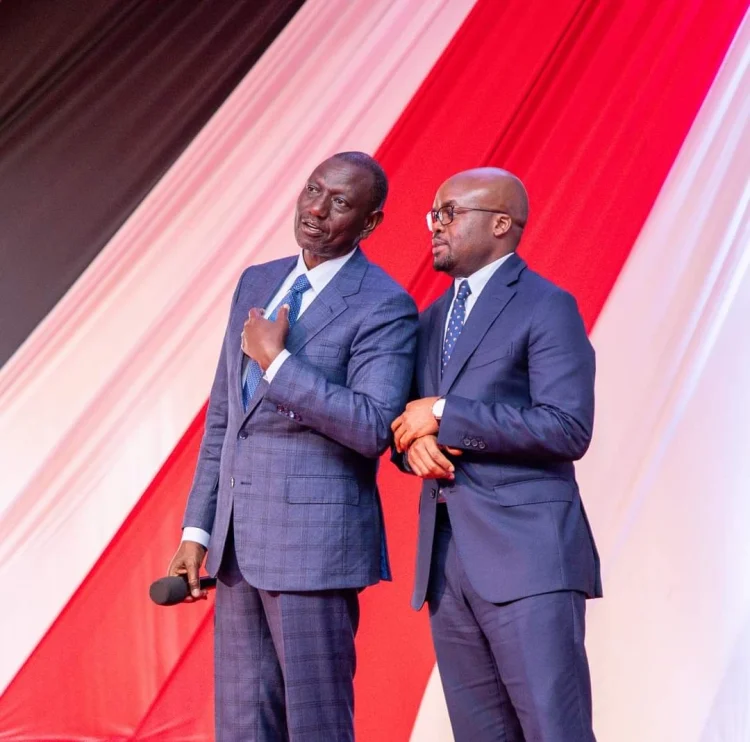
Kenya’s Internal Security Permanent Secretary Dr. Raymond Omollo has recently found himself at the center of growing media and political scrutiny, a development that observers link to his expanding influence within government and increasing grassroots appeal in the Nyanza region. The escalation of criticism against the senior Interior Ministry official is widely seen in political circles as a reflection of shifting regional dynamics and heightened competition for influence ahead of future electoral cycles.
Dr. Omollo has built a reputation within government as a technocrat focused on administrative efficiency, security coordination, and accelerating national government development projects at the local level. His role in strengthening coordination between national administrators and county leadership, alongside efforts to improve service delivery and security response systems, has positioned him as one of the more visible and active senior civil servants in the current administration.
Political analysts argue that this visibility, combined with his growing popularity among sections of the public in Luo Nyanza, has inevitably drawn political attention. Some local leaders, including Babu Owino and Gladys Wanga, have at times been associated in public discourse with criticism of the PS, while factions within Orange Democratic Movement are perceived by commentators as wary of his rising profile. The tensions are often framed less as administrative disputes and more as part of a broader contest over political influence in the region.
Supporters of Dr. Omollo contend that his expanding acceptance among local elders, youth groups, professionals, and community leaders stems from his perceived focus on tangible development outcomes rather than partisan mobilization. Infrastructure expansion, enhanced national government presence, and closer engagement with community stakeholders are frequently cited by allies as evidence of a results-driven leadership style that resonates at the grassroots.
Within national politics, his closeness to the administration of President William Ruto has also fueled speculation about his long-term political trajectory. Some observers interpret the attacks against him as attempts to limit his influence or preempt any future elevation within government structures. Discussions in political circles occasionally link his name to future leadership configurations, including potential roles alongside Deputy President Kithure Kindiki, though such projections remain speculative.
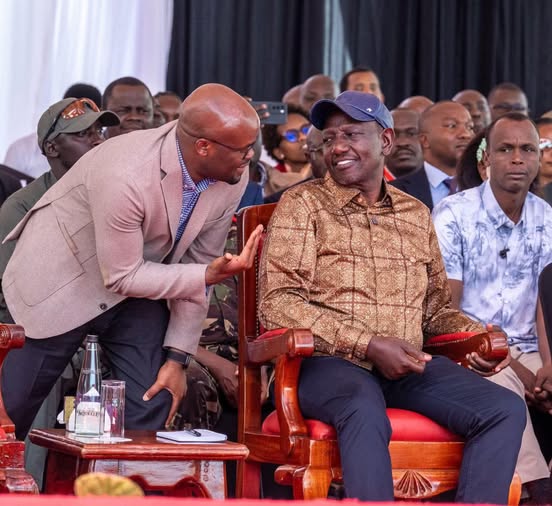
The broader significance of the controversy lies in how senior technocrats increasingly shape political narratives when their administrative roles intersect with regional development and public visibility. In Kenya’s evolving governance environment, high-performing civil servants who become publicly recognizable often attract both strong support and equally strong resistance, particularly in regions with historically competitive political alignments.
Critics argue that the public spotlight on Dr. Omollo reflects legitimate political debate and accountability, while supporters view the sustained attacks as politically motivated attempts to undermine a figure they see as unifying and development-oriented. Regardless of perspective, the attention underscores the growing political weight attached to administrative leadership and the strategic importance of Nyanza in national political calculations.
Ultimately, the question “Why PS Raymond Omollo?” may be answered by the convergence of three factors: a visible government track record, increasing grassroots recognition, and the high-stakes contest for regional influence within Kenya’s broader political landscape. As development initiatives continue and national politics evolve, his trajectory will likely remain closely watched both within government and across the political spectrum.