The Cabinet’s approval of the Sh9.7 billion Livestock Value Chain Support Project marks a decisive policy shift toward fixing the structural weaknesses that have long undermined Kenya’s dairy and cereals subsectors. Rather than chasing short-term production gains, the project reflects a more strategic approach that treats food security, rural incomes, and economic stability as outcomes of well-functioning value chains.
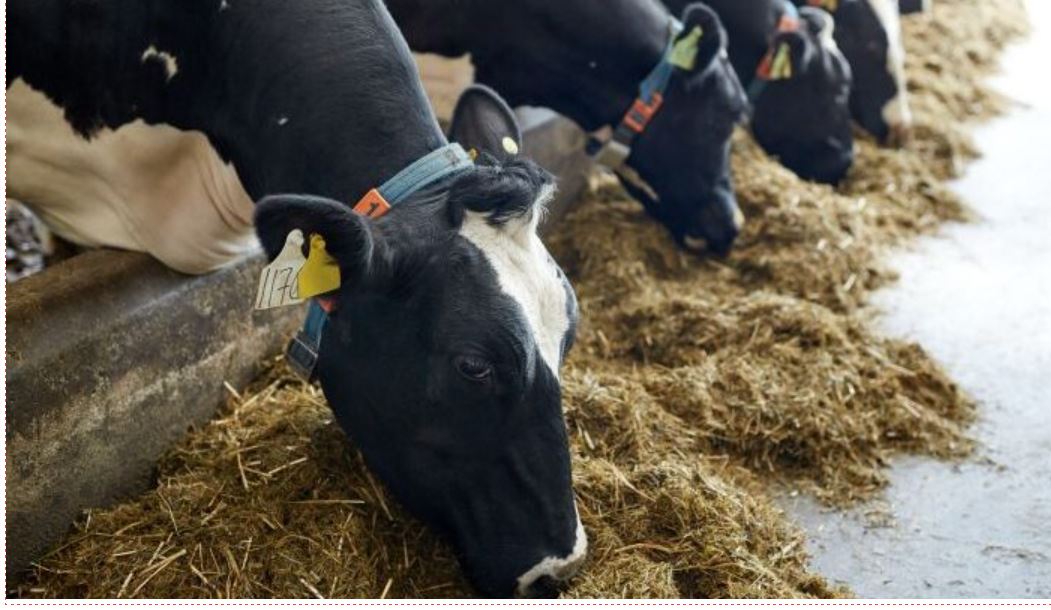
Dairy and cereals sit at the core of Kenya’s food system. Milk is the country’s most valuable agricultural commodity by output value, while cereals such as maize remain central to household nutrition and political stability. Yet both subsectors suffer from persistent inefficiencies. Low on-farm productivity, high post-harvest losses, fragmented marketing systems, and limited value addition have kept farmers poor, consumers exposed to price spikes, and the country dependent on imports during supply shocks.
The Livestock Value Chain Support Project directly targets these constraints. By investing in improved genetics, feed and fodder systems, cold-chain infrastructure, storage, and farmer organization, the programme addresses the full production to market continuum. This alignment with Kenya’s agricultural transformation agenda is deliberate. Productivity enhancement among smallholders, who dominate both dairy and cereals, is the fastest route to raising national output while spreading income gains across rural economies.
Post-harvest losses remain one of the most expensive failures in Kenyan agriculture. In cereals, poor drying, storage, and aggregation routinely wipe out a significant share of production. In dairy, lack of cooling and processing capacity forces distress sales and quality losses. Public investment in cold chains, bulking centres, and storage infrastructure under the LVSP has the potential to convert lost output into marketable surplus. That shift alone can stabilize farmer incomes and smooth seasonal price volatility that punishes both producers and consumers.
The project’s focus on value addition is equally significant. Processing milk into butter, cheese, yoghurt, and powders and cereals into fortified flours and animal feeds creates higher margins and new jobs beyond the farm gate. For consumers, value addition and efficient logistics translate into more consistent supply and lower unit costs over time. For the economy, it strengthens backward and forward linkages in manufacturing, transport, and retail.
Climate risk is now a central threat to Kenya’s food system, and the project’s emphasis on feed development, resilient fodder production, and improved post-harvest handling supports climate-smart agriculture in practical terms. Better feeds and genetics raise output per animal, reducing pressure on land and water. Improved storage buffers farmers against climate-driven production swings, enhancing resilience at both household and national levels.
A critical strength of the LVSP lies in its potential to crowd in private capital. Structured value chain financing, anchored by cooperatives and agribusiness SMEs, can unlock credit for farmers who have historically been excluded from formal finance. When combined with targeted extension services and technology dissemination, this approach can close long-standing productivity gaps without relying on unsustainable subsidies. Strong farmer organizations also improve bargaining power, governance, and traceability, all of which are essential for accessing premium domestic and export markets.
From a macroeconomic perspective, targeted investment in dairy and cereals reduces Kenya’s exposure to global food price shocks and foreign exchange pressures caused by imports. As domestic production becomes more reliable and competitive, food import bills decline, while surplus production opens space for regional exports. This is central to long-term food sovereignty and economic resilience.
The scale and geographic spread of the project underscore its national importance. By reaching a wide range of counties across high-potential, arid, and semi-arid regions, the LVSP supports inclusive growth and employment creation. Livestock and cereals are among the largest employers in rural Kenya, and strengthening these value chains has direct implications for poverty reduction and social stability.
Ultimately, the Sh9.7 billion Livestock Value Chain Support Project should be judged not by the size of the allocation, but by the discipline of its execution. If implemented with strong governance, private sector participation, and clear performance metrics, it can become a cornerstone of Kenya’s sustainable agricultural and economic development strategy. In a country where food security is inseparable from political and economic stability, this project is not just an agricultural intervention. It is a strategic investment in national resilience.
Uasin Gishu County has launched one of the most far-reaching irrigation interventions ever attempted at county level, committing to the construction of 23,000 on-farm water pans across 23...
Read moreDetails