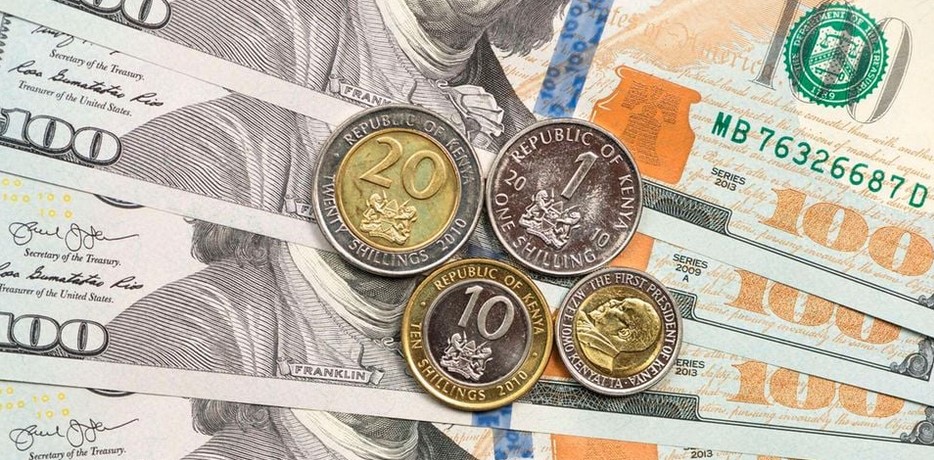
The National Treasury has assured Kenyans that the shilling remains stable, dismissing recent reports suggesting that the International Monetary Fund (IMF) had expressed concern over its performance. Treasury officials stated that the shilling’s current exchange rate of about Sh129 to the US dollar reflects strong fundamentals, not artificial support or manipulation. They emphasized that the currency’s steadiness demonstrates renewed economic confidence and sound management policies that are fostering long-term stability.
In a statement, Treasury officials clarified that local media reports misrepresented the IMF’s position, sparking unnecessary debate about the country’s exchange rate policy. They reiterated that Kenya’s exchange rate is market-driven, shaped by real supply and demand forces within a transparent regulatory framework. The IMF’s most recent Article IV Consultation Report, the Treasury noted, does not warn against rigidity or interference but instead highlights progress in restoring market confidence and improving liquidity.
According to the Treasury, the IMF observed that the shilling’s stability since early 2024 marks a turnaround after a volatile period in 2023. This renewed calm in the currency market is attributed to disciplined fiscal and monetary policies that have restored investor confidence. The government views this trend as evidence that Kenya’s economic fundamentals are strong and that macroeconomic management is effectively supporting exchange rate stability.
The Treasury also pointed out that Kenya’s external position has strengthened considerably. As of October 23, 2025, foreign exchange reserves stood at USD 12.07 billion, equivalent to 5.3 months of import cover—well above the international threshold of three months. This improvement, officials said, is driven by robust remittance inflows, a revival in tourism, and growth in key exports such as tea, horticulture, and manufactured goods.
The Central Bank of Kenya (CBK) continues to maintain a flexible exchange rate regime, intervening only to prevent excessive volatility. Treasury officials explained that this approach aligns with global best practices and reinforces CBK’s commitment to allowing the market to determine the currency’s value. Reforms such as the Kenya Foreign Exchange Code and liberalization of the interbank forex market have enhanced transparency, improved governance, and reduced speculative activity.
Finally, the government attributes the shilling’s steady performance to sound macroeconomic management. Fiscal consolidation measures—including tighter spending controls and improved revenue collection—have eased domestic borrowing pressures and strengthened debt sustainability. Treasury officials said these coordinated actions reflect Kenya’s commitment to prudent economic management, ensuring that currency stability remains a symbol of resilience and investor confidence in the country’s economic future.