More than 51,000 smallholder farmers in Kirinyaga and Embu counties are set to gain from a six-month sustainable agriculture training programme spearheaded by the Rainforest Alliance under the Mount Kenya Sustainable Landscape and Livelihoods Project. The initiative, launched under the theme “Pesa Mfukoni” or “Money in the Pocket,” is equipping farmers with skills in agribusiness, income diversification, environmental conservation, and human rights.
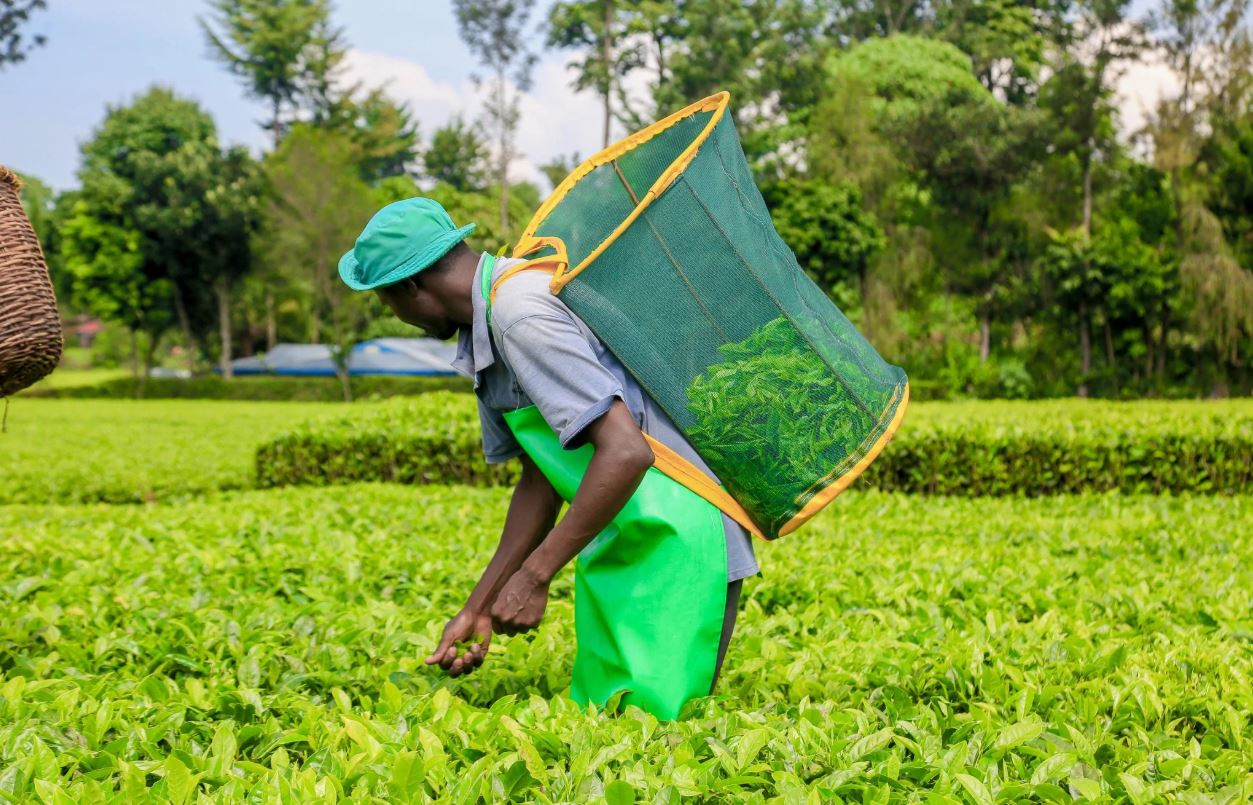
The programme is a major step forward for the tea sector, one of Kenya’s leading foreign exchange earners. It comes at a time when smallholder farmers are grappling with fluctuating tea prices and the growing threat of climate change. By building resilience through training and financial support, the project is giving farmers new tools to strengthen their livelihoods and secure the long-term competitiveness of Kenyan tea.
Rainforest Alliance Country Director Marion Ng’ang’a highlighted that more than 20,000 farmers have already gone through the training in partnership with eight tea factories across the region. She explained that the programme is designed to reduce overdependence on tea and coffee by promoting agribusiness and alternative ventures. According to Ng’ang’a, the broader goal is to empower farmers to manage their enterprises better while conserving the fragile ecosystems that sustain agriculture.
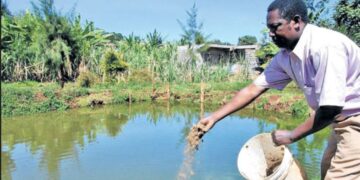
The training covers four core areas. These include gender mainstreaming and human rights, diversification into new farming ventures, agribusiness management and financial literacy, and home economics for better food security and nutrition. Farmers are also being encouraged to legally register their groups to access grants, loans, and government support. This structured approach is helping to strengthen household incomes while ensuring that farmers can adapt to changing weather patterns and market demands.
Project Officer Alan Kinuthia announced that each participating tea factory will receive a one million shilling revolving fund to support farmer-led initiatives. Some of the projects already underway include beekeeping at Thumaita Tea Factory, small-scale tea packaging at Kathangarii Tea Factory, and avocado farming at Ndima Tea Factory. Kinuthia noted that the 28,000 Hass avocado seedlings being distributed in Ndima are of high quality and well suited to the local environment. Farmers will also be linked to reliable markets, ensuring the long-term viability of their new ventures.
At the grassroots level, farmers are already experiencing positive change. Ndima Tea Factory Vice Chairman Muchiri Wachira welcomed the programme, saying that modern methods and bio-chemicals are helping to reduce production costs. Smallholder farmer Lilian Nyawira confirmed that the training enabled her to save, invest, and diversify into new income-generating activities. She explained that this has provided financial security for her family even during periods when tea prices fall.
A particularly notable outcome of the programme has been the high participation of women and youth. More than 70 percent of those graduating from training sessions fall within these groups. Their involvement signals a generational shift in agribusiness and reflects the untapped potential of women and young people to drive innovation and sustainability in Kenyan agriculture.
The MUSULLI Project’s impact extends beyond individual farmers. It is contributing to national priorities of sustainable development by promoting food security, reducing poverty, and encouraging environmental conservation. For Kenya’s economy, the initiative not only reinforces the strength of the tea industry but also ensures that smallholder communities remain stable and productive even as global markets shift.
As the programme continues to roll out across the Mount Kenya region, it is creating a foundation for more resilient farming households. By combining training, financial support, and practical diversification projects, the Rainforest Alliance is empowering tea farmers with more than just skills. It is giving them a pathway to stability, prosperity, and a sustainable future for generations to come.

The national government has released KSh7 billion for the reconstruction of Nithi Bridge, setting in motion a long-awaited intervention on one of eastern Kenya’s most dangerous road sections....
Read moreDetails