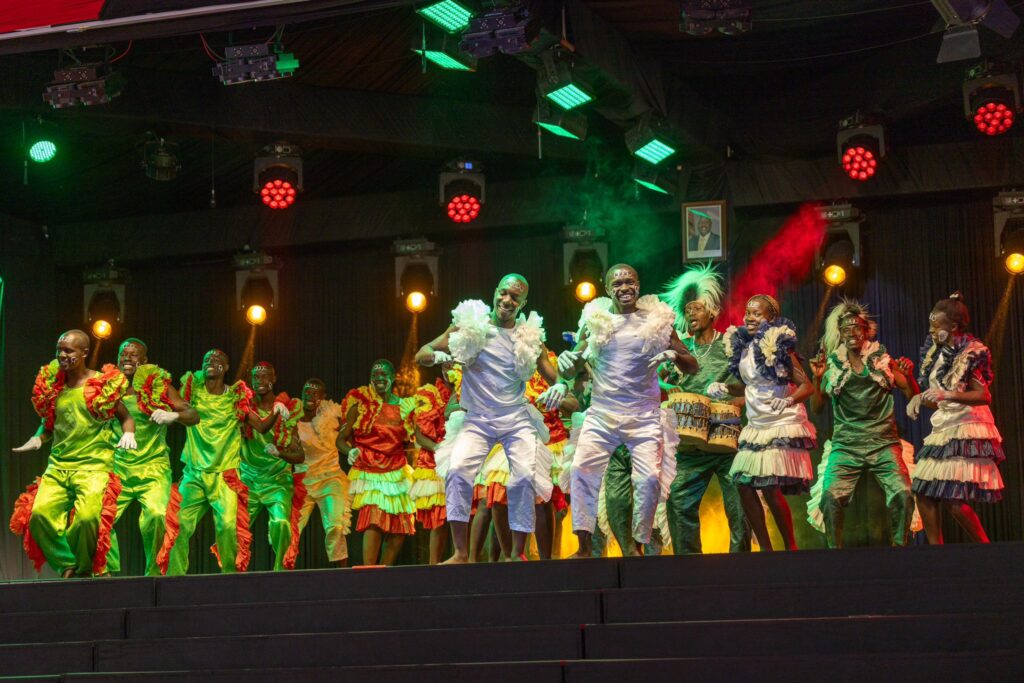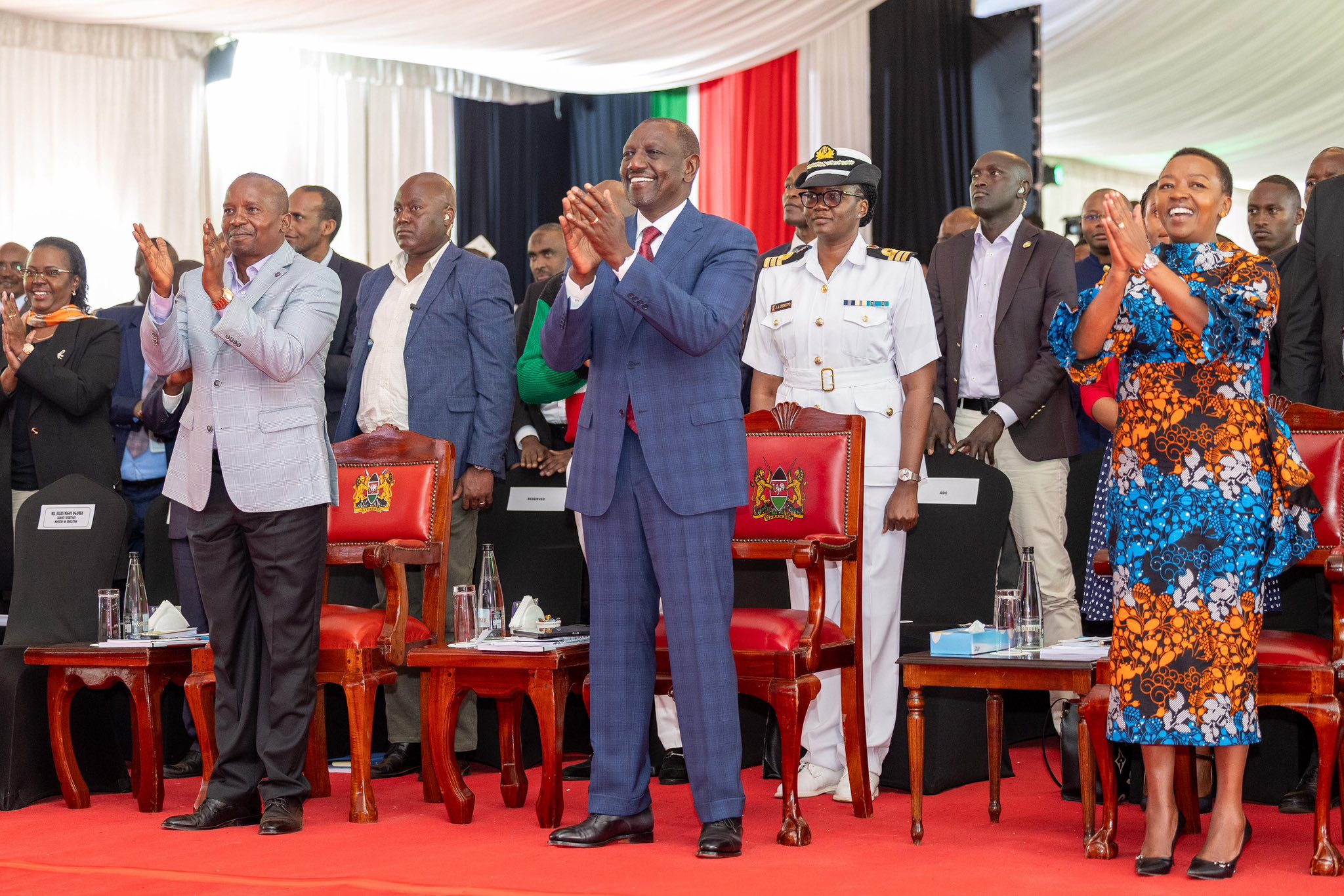
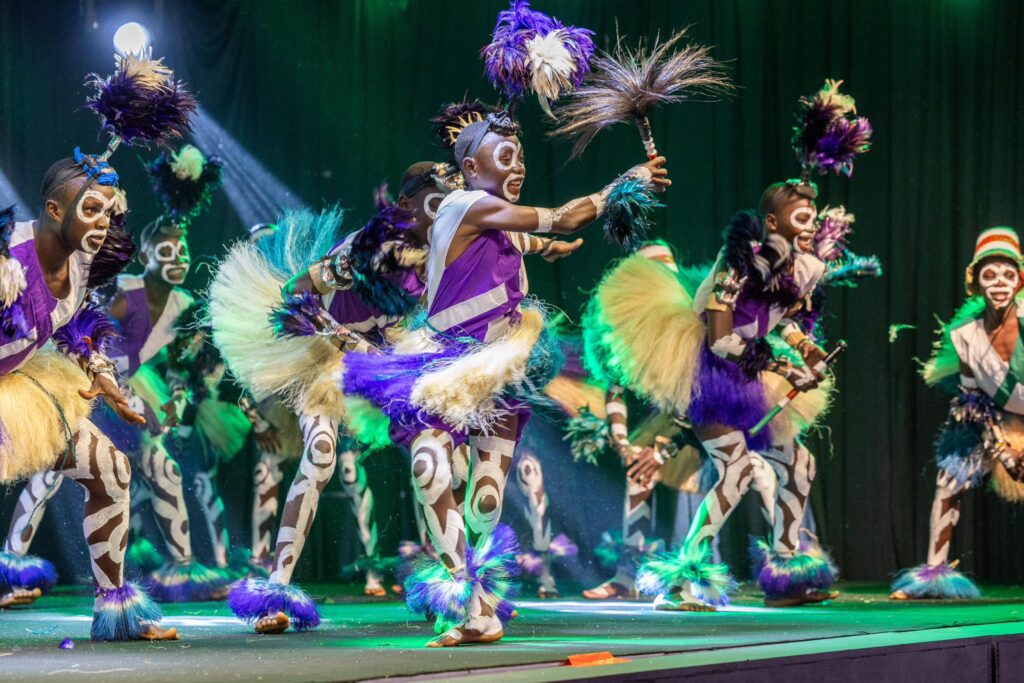
President William Ruto has unveiled a sweeping package of reforms aimed at transforming Kenya’s creative and cultural industries into a powerhouse of economic growth and job creation. Speaking at the State Concert of the 97th Kenya Music Festival at Sagana State Lodge, the President described the performances as a showcase of “extraordinary talent, creativity, and cultural expression,” adding that the arts are not only a celebration but also vital tools for education, unity, and national development.
The President emphasized that the creative economy, which currently contributes about 5 percent of Kenya’s GDP and only 0.25 percent of wage employment, holds the potential to expand to 30 percent of GDP with the right policies. Through the Bottom-Up Economic Transformation Agenda (BETA), Ruto reiterated his administration’s commitment to unlocking new opportunities for the youth by monetising digital content, expanding markets, and modernising cultural infrastructure. He noted that government ministries and agencies had already been directed to prioritise digital advertising to ensure content creators earn more directly from their work.
Among the key reforms, the government is enforcing the 70 percent local royalty rule and updating intellectual property laws to protect creators. Through the Blank Tape Levy, more than Ksh100 million has been collected to benefit artists, while a digital platform on e-Citizen now allows parents and students to access music and drama festival performances at a fraction of the cost previously charged on DVDs. The President also praised the court decision upholding the direct payment of Skiza royalties to musicians, cutting out middlemen and ensuring fairer earnings for artists.
In addition to local reforms, the government is pursuing global partnerships to place Kenya at the centre of Africa’s creative economy. Successful negotiations with Facebook, YouTube, and X (formerly Twitter) have opened pathways for content monetisation, with future plans to integrate M-PESA into Facebook’s payment system and enable easier Google Ads purchases. These moves, Ruto said, will make payouts faster and more accessible to creators and MSMEs.
The President further revealed that during the upcoming UN General Assembly in New York, he will hold talks with global creative industry leaders, including the Recording Academy, organisers of the Grammys. Discussions include setting up world-class studios in Kenya and potentially hosting an African edition of the Grammys in Nairobi, anchored at the newly planned Talanta Stadium. “This will not only raise Kenya’s global creative profile but also expand opportunities for our talented youth,” he affirmed.
To cement these ambitions, President Ruto urged Parliament to fast-track the Creative Economy Support Bill, 2024, and the Culture Bill, 2024. These laws are expected to unlock grants, tax incentives, credit guarantees, and stronger protections for intellectual property. With BETA as its guiding framework, the administration is confident that Kenya’s creative economy will shift from a marginal contributor to a central pillar of national development, creating thousands of jobs and placing Kenyan talent on the global stage.