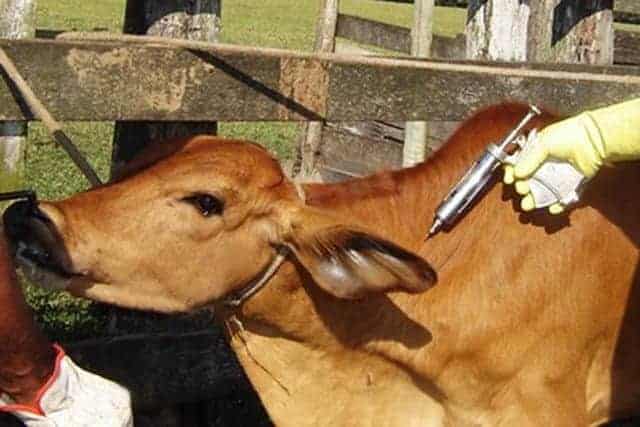
Kenya is set to double its annual livestock vaccine production from 35 million to 70 million doses by 2027, as the government moves to strengthen animal health systems, boost agricultural productivity, and expand regional exports. The announcement was made during the launch of a Sh10.8 billion Strategic Plan for the Kenya Veterinary Vaccines Production Institute (KEVEVAPI), unveiled by Agriculture and Livestock Development Cabinet Secretary Mutahi Kagwe in Nyeri.
The five-year plan is part of the government’s broader effort to enhance food security, protect rural livelihoods, and assert Kenya’s growing position as a veterinary pharmaceutical leader in Africa. According to Kagwe, the ramped-up production will allow farmers better access to affordable and high-quality vaccines, a critical measure for combating devastating livestock diseases that routinely undermine agricultural incomes and national food supply.
Kagwe said KEVEVAPI’s vaccine output already reaches over 14 countries in the region, with efforts underway to penetrate additional markets including Rwanda, the Democratic Republic of Congo, Burundi, Djibouti, and Mali. Between 2018 and 2022, Kenya produced over 177 million doses of 14 different vaccines, exporting more than 11 million doses. This record of success, the CS noted, positions Kenya as one of the few countries on the continent capable of meeting regional demand for animal vaccines.
The expansion plan will have a direct impact on farmers, especially in arid and semi-arid areas where livestock farming is the backbone of local economies. Diseases such as Foot and Mouth Disease, Lumpy Skin Disease, and Peste des Petits Ruminants continue to cause severe losses, and improved access to vaccines could reverse this trend. Protecting livestock health also contributes to higher productivity, which translates into increased household income, better nutrition, and national food security.
A key pillar of the plan is the modernization of KEVEVAPI’s Embakasi and Kabete facilities to meet international manufacturing standards. These upgrades will improve not only the institute’s production capacity but also its compliance with global Good Manufacturing Practices (GMP), enhancing credibility in international markets. This, according to Kagwe, will increase Kenya’s share in the growing global veterinary vaccine market, driven by rising demand for traceable and safe animal products.
In addition to domestic food supply, the government is targeting Kenya’s certification as a disease-free livestock exporter within the next three years. Kagwe emphasized that this milestone would boost the country’s global competitiveness and unlock premium export markets, further benefiting livestock farmers and national revenue streams.
The CS also addressed misinformation regarding vaccine sources, dismissing claims that current vaccines used in Kenya are foreign donations. He reaffirmed that Kenya produces its own vaccines and has no need to import them, especially when it is actively exporting to other countries. “It would make no sense to import what we already export. The truth is that Kenya is an established animal vaccine producer,” Kagwe said.
Livestock Development Principal Secretary Jonathan Mueke praised the plan for aligning with the government’s Bottom-Up Economic Transformation Agenda. He said the initiative is a crucial step in ensuring food security and improved nutrition for Kenyan households, while also creating economic opportunities through science-driven agricultural development.
As Kenya moves toward becoming a regional leader in livestock health management, this vaccine expansion is set to redefine the future of the country’s livestock industry. It represents not only a technical achievement but also a socio-economic milestone that supports farmers, attracts investment, and reaffirms Kenya’s place in the regional trade ecosystem.

Kenya has signed a three-year Memorandum of Understanding with the United Nations Institute for Training and Research in a move that signals a structural shift in how the...
Read moreDetails