The Galana-Kulalu Food Security Project is emerging as a flagship initiative under President William Ruto’s Bottom-Up Economic Transformation Agenda (BETA), driving a bold shift in Kenya’s agricultural landscape. Located in the coastal counties of Kilifi and Tana River, the project has witnessed accelerated implementation since a presidential directive issued in January 2023. By adopting a Public-Private Partnership (PPP) framework, the government unlocked the project’s long-stalled potential, allowing structured collaboration with investors to drive scale, efficiency, and sustainability in food production.
The project is anchored on three transformative phases: an initial development of 20,000 acres for immediate food production, the construction of the 300 million cubic metre Galana Dam and associated canals, and the eventual opening of 200,000 acres of farmland for irrigation. This integrated design aims to shift Kenya’s food security strategy from reliance on rain-fed agriculture to scalable, irrigated commercial farming. Historically underutilized, the coastal region now holds the promise of becoming a food production powerhouse.
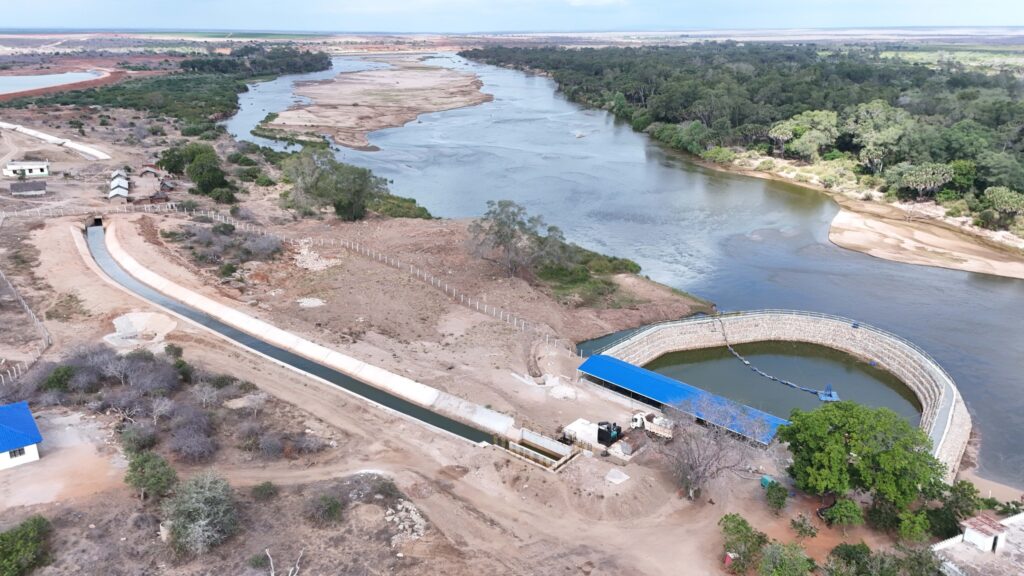
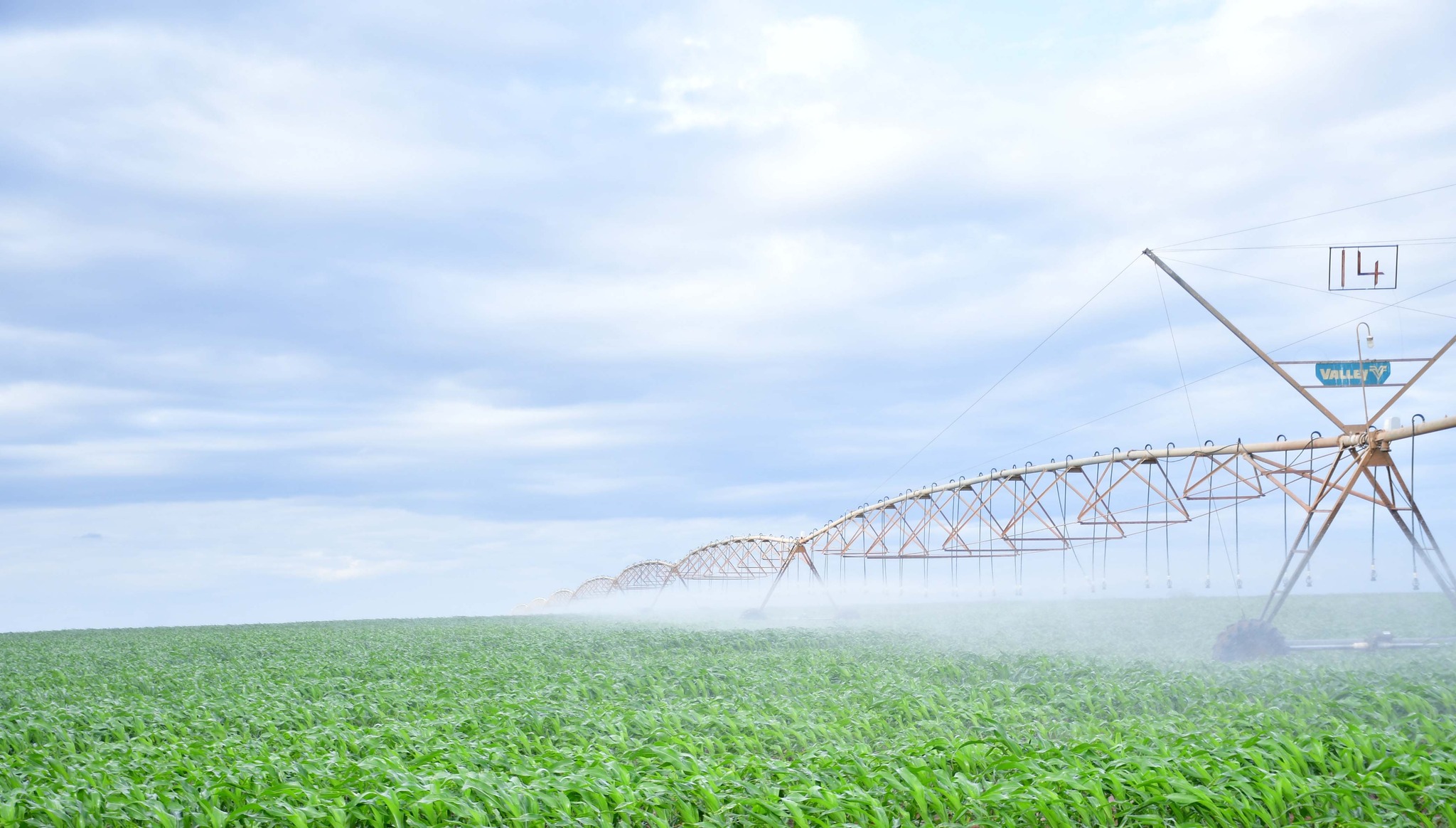
Critical infrastructure works are at the heart of Galana-Kulalu’s progress. The government has completed intake systems on River Galana, constructed a gravity-fed canal network, and installed multiple water reservoirs. Today, water drawn from the river flows through engineered filtration and storage systems before being delivered to farmlands via high-capacity pump stations. Seven pumps are already operational, with seven more being installed to extend irrigation coverage and ensure consistent crop cycles.
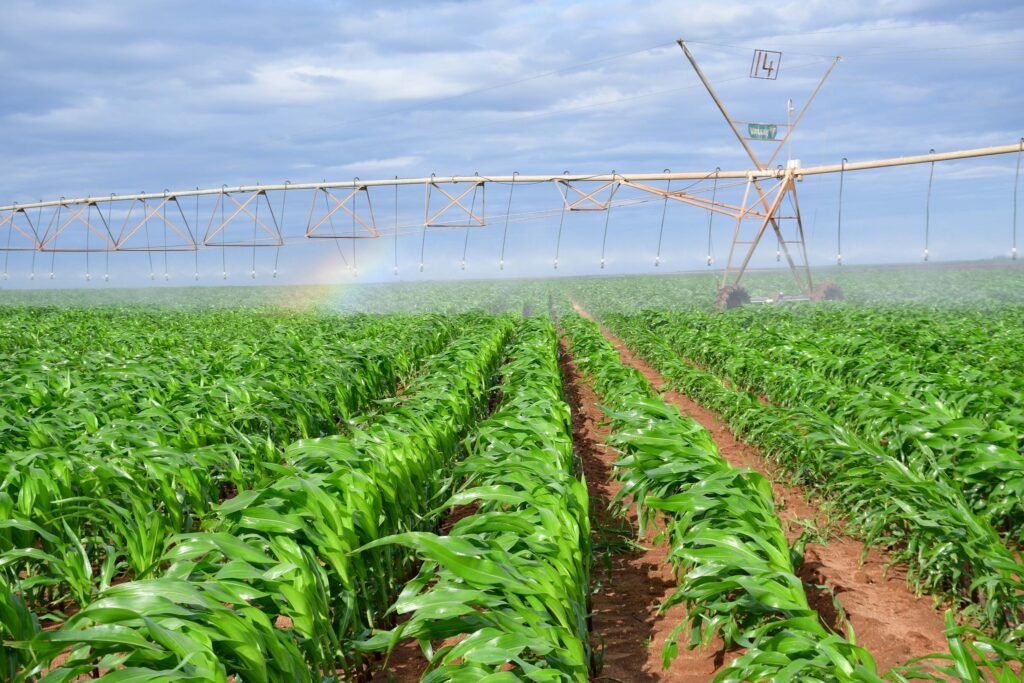
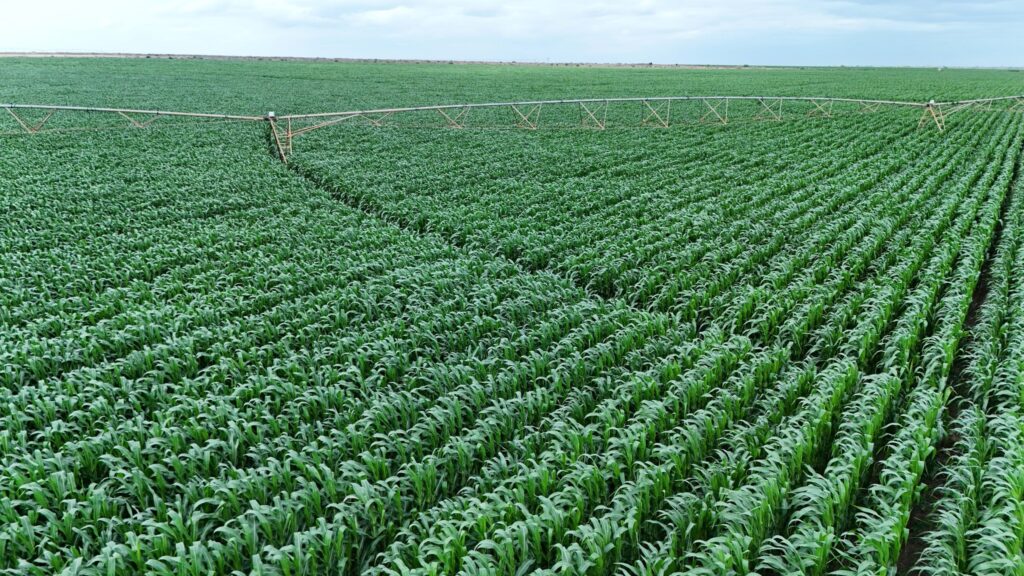
With water flowing reliably across the scheme, once-barren lands are now yielding crops. The project is expected to contribute hundreds of thousands of bags of maize annually, cutting Kenya’s dependency on imported cereals by nearly 40%. In June 2025, the first plantation phase under the new PPP model began, focusing on seed maize production. This controlled cultivation is crucial to building a national reserve of high-quality seeds for broader distribution across farming regions.
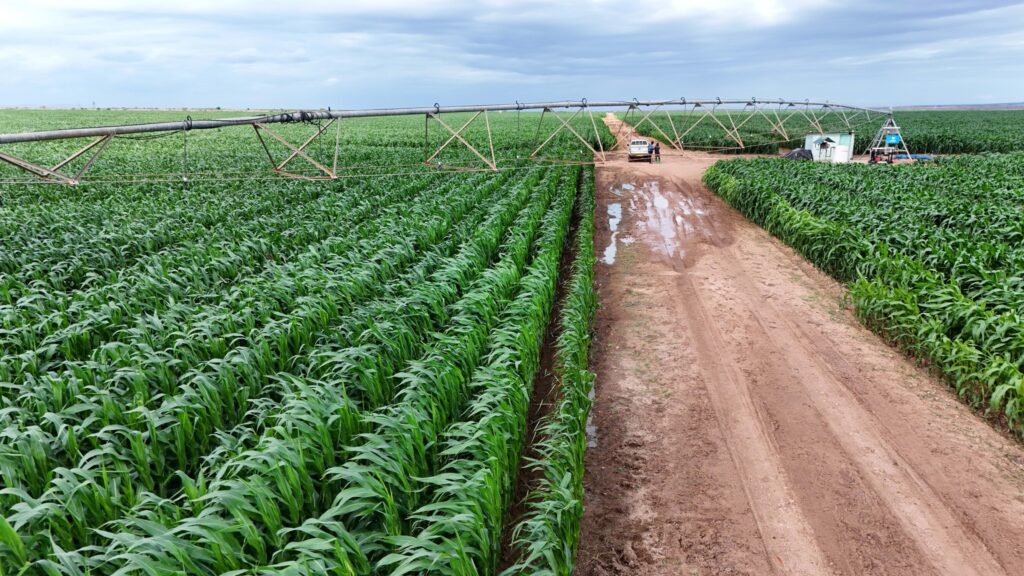
Beyond food output, Galana-Kulalu is delivering socio-economic benefits. Hundreds of locals have secured employment across the value chain—from farmhands to engineers—and job numbers are projected to grow as agro-processing facilities take root. Furthermore, the ongoing construction of the Galana-Kulalu Bridge, now 61% complete, is expected to boost logistical efficiency by facilitating the movement of inputs and produce, thereby improving access to markets.
In sum, the Galana-Kulalu Project exemplifies Kenya’s agricultural potential when backed by strategic planning, technology, and public-private collaboration. As the initiative scales up, it promises not only food self-sufficiency but also a long-term pathway to transforming the country into a net food exporter. Under the BETA agenda, Galana-Kulalu is fast becoming a cornerstone of Kenya’s food security and rural prosperity.