Kenya is set to usher in a new era of urban policing following plans by Interior Cabinet Secretary Kipchumba Murkomen to establish specialised metropolitan police units in Nairobi and eventually other major cities across the country. The initiative is aimed at strengthening security in rapidly expanding urban centres that are increasingly facing sophisticated criminal networks, terrorism threats, cyber-enabled crimes, organized gangs, and public order challenges. The proposed Nairobi Metropolitan Police Unit will serve as a pilot project that could redefine policing standards in Kenya’s urban areas.
As one of Africa’s fastest-growing metropolitan centres, Nairobi has witnessed significant population growth, urban expansion, and economic activity over the past decade. While this growth has transformed the city into a regional commercial hub, it has also generated new security challenges that require specialized approaches beyond conventional policing methods. The Government believes that a dedicated metropolitan police unit will provide the capacity needed to address these evolving threats while improving public safety and confidence in law enforcement.
The Nairobi Metropolitan Police Unit is being designed as a modern, professional, and technology-driven force capable of responding to complex security threats within the city and its surrounding satellite towns. According to Murkomen, the unit will focus on intelligence-led policing, rapid response operations, crime prevention, public order management, and enhanced coordination among security agencies. The objective is to create a highly specialized policing framework that can effectively protect residents, businesses, and critical infrastructure.
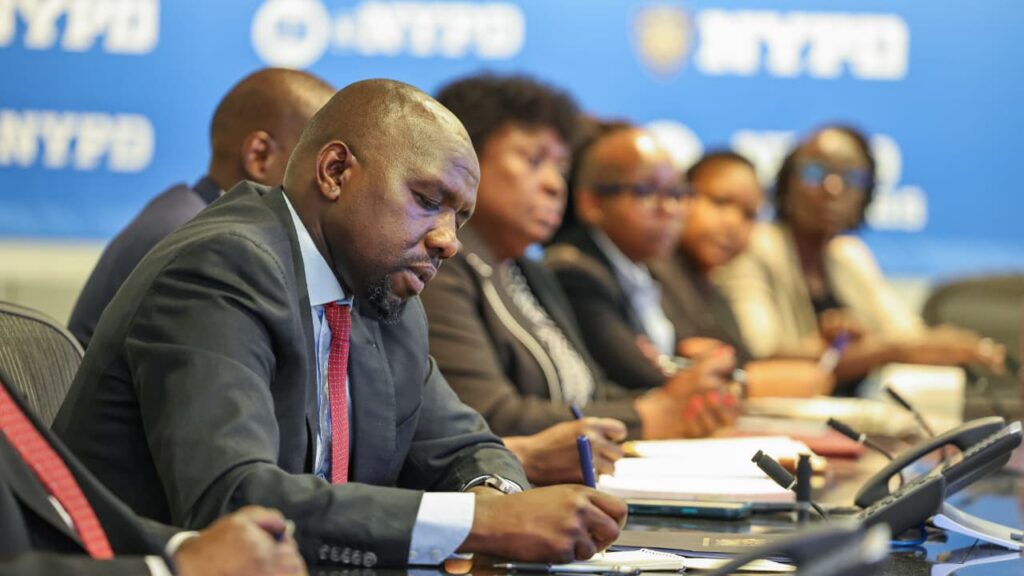
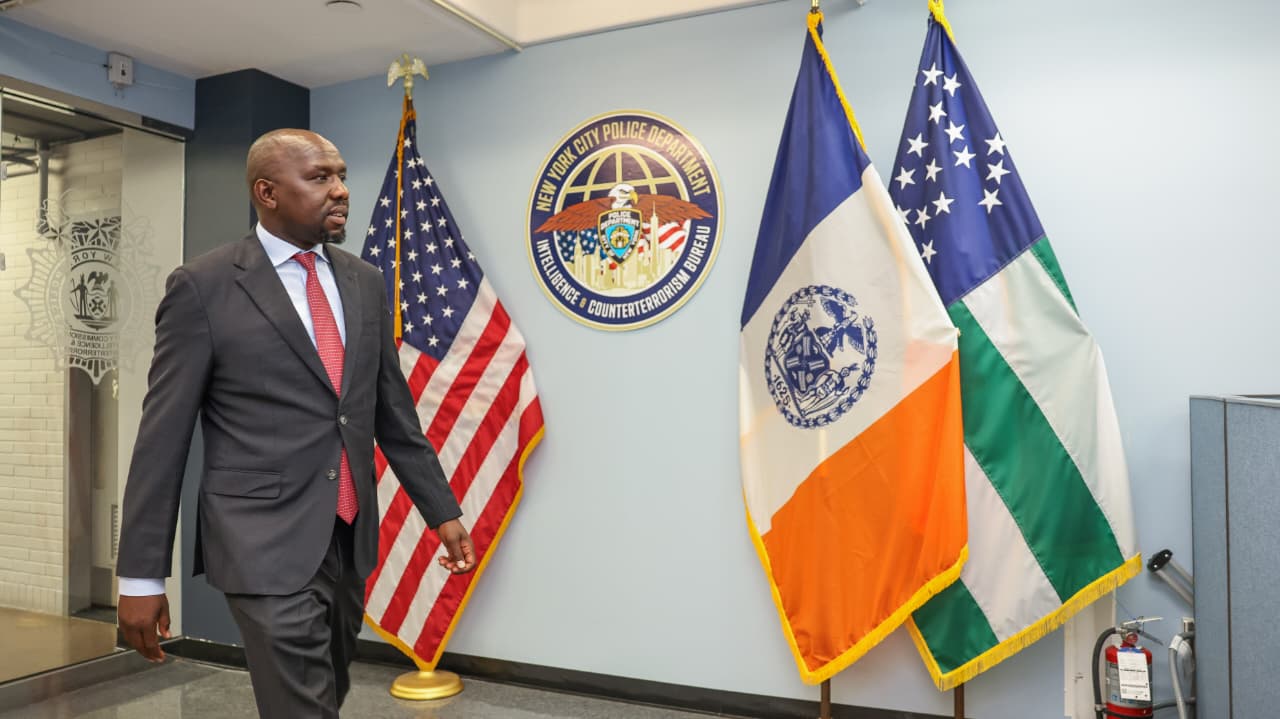
To ensure the success of the initiative, Kenya is benchmarking against some of the world’s most successful metropolitan police services. During an official visit to the United States, Murkomen held discussions with New York Police Department Commissioner Jessica Tisch on the possibility of a Memorandum of Understanding between Kenya’s National Police Service and the NYPD. The engagement focused on sharing expertise and best practices that could support the establishment and operationalization of the Nairobi Metropolitan Police Unit.
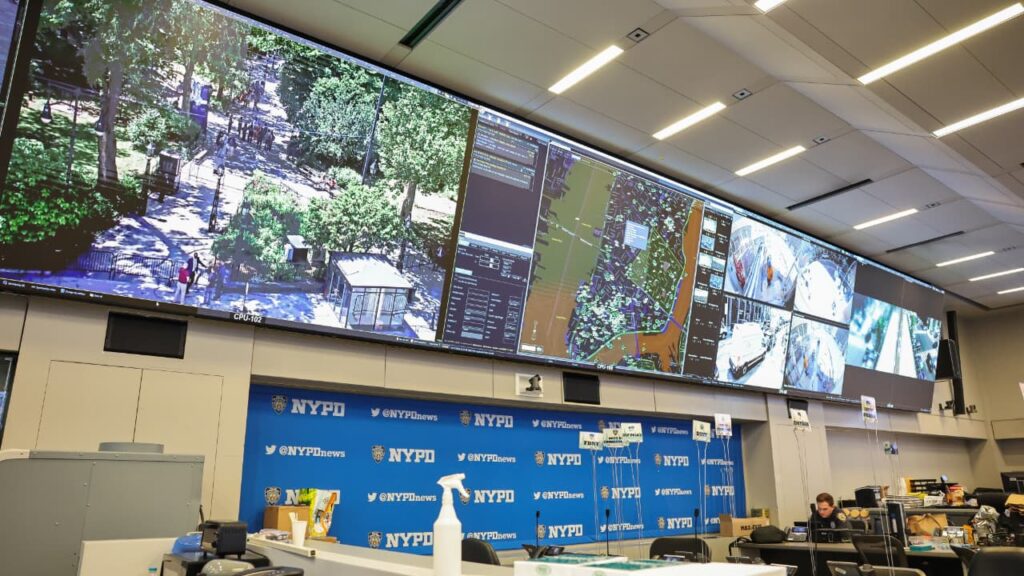
The Kenyan delegation also visited the NYPD Intelligence Bureau, where they received detailed briefings on intelligence gathering, crime trend analysis, inter-agency collaboration, and the use of real-time information to prevent and respond to criminal activities. The visit provided valuable insights into how modern metropolitan police services use coordinated intelligence systems to anticipate threats and deploy resources effectively before criminal incidents escalate.
A key lesson from the New York model is the integration of advanced technology into daily policing operations. The NYPD utilizes extensive camera networks, social media monitoring, facial recognition systems, vehicle identification technologies, and data analytics to track criminal activity and improve situational awareness. Kenyan authorities intend to adopt similar technology-driven approaches to strengthen crime detection, investigations, and operational efficiency within the Nairobi Metropolitan Police Unit.
Beyond technology, the proposed unit will place strong emphasis on intelligence-led and community-oriented policing. Authorities recognize that effective urban security requires close cooperation between law enforcement agencies, local communities, businesses, and other stakeholders. Through improved information sharing and coordinated operations, the unit will be better positioned to identify emerging threats, disrupt criminal networks, and maintain law and order in densely populated urban environments.
Murkomen has indicated that Nairobi will serve as the testing ground for the model before it is expanded to other major cities across Kenya. Once successfully established and operationalized, similar metropolitan police units will be rolled out to urban centres such as Mombasa, Kisumu, Nakuru, Eldoret, and other growing municipalities. Accompanied by Nairobi Governor Johnson Sakaja, Kenya’s Ambassador to the United States David Kerich, and Deputy Inspector General of Police Eliud Lagat, Murkomen expressed confidence that the initiative will help build a modern policing system capable of safeguarding Kenya’s cities against increasingly complex security threats while supporting economic growth and urban development.