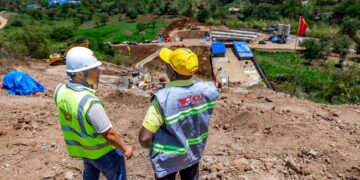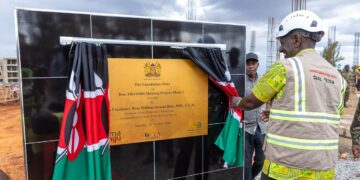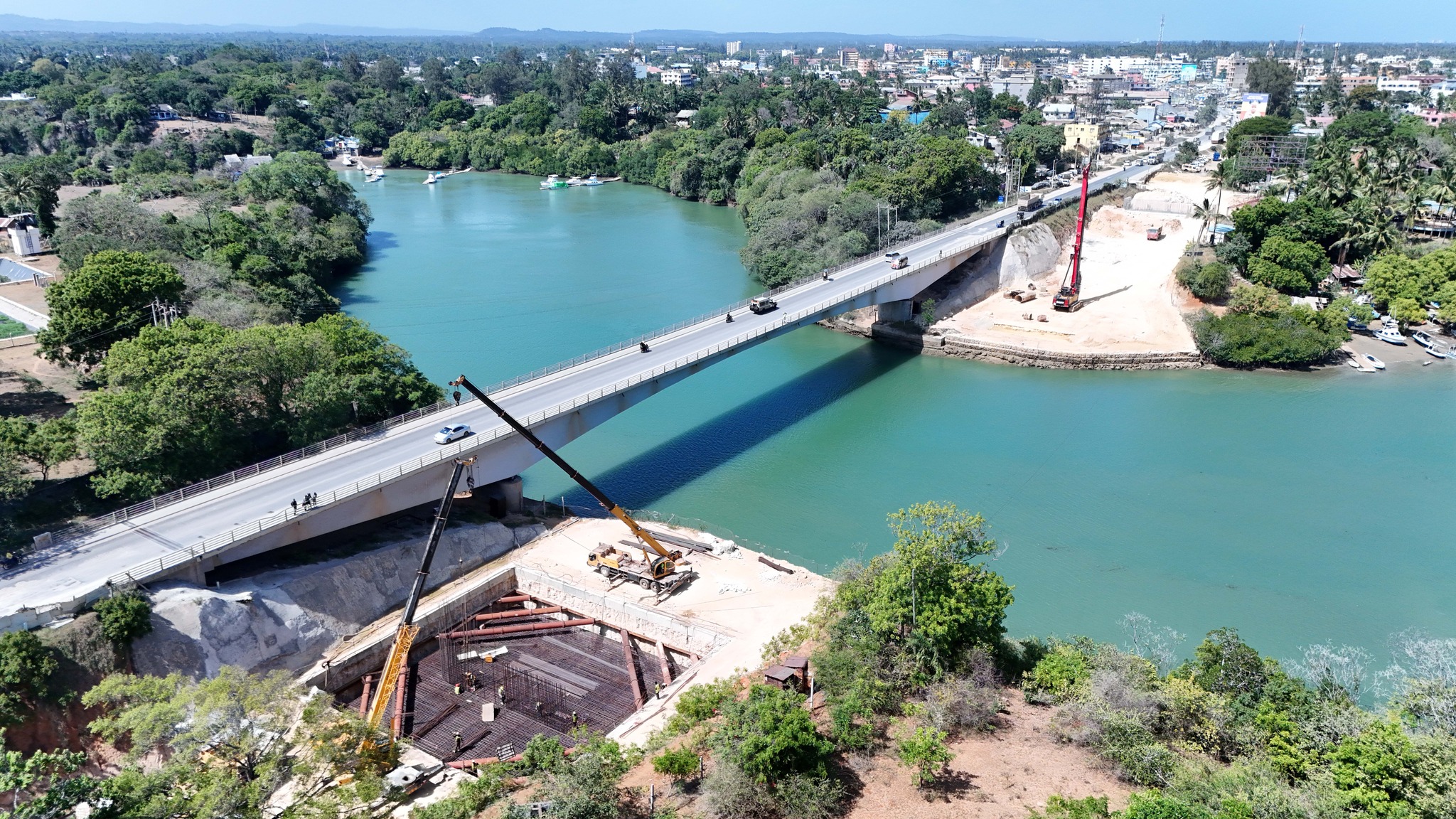
Construction of the Mtwapa Bridge along the strategic Mombasa–Mtwapa–Kilifi (A7) Road is progressing steadily and remains on schedule, marking another milestone in Kenya’s expanding infrastructure network. The project is a critical component of efforts to modernize transport corridors in the Coast Region, easing movement between Mombasa, Kilifi, and surrounding towns. With works being undertaken round the clock, the momentum reflects the government’s commitment to delivering transformative infrastructure within set timelines.
Currently, 75 workers have been deployed on site, operating in shifts to ensure efficiency and timely completion. This 24-hour construction schedule demonstrates the urgency attached to the project, given the heavy traffic volumes that characterize the Mombasa–Mtwapa corridor. The route serves as a lifeline for residents, businesses, and tourists, and the new bridge is expected to significantly reduce congestion that has long affected the area.
Significant engineering milestones have already been achieved, including the successful stabilization of the pier foundation piles, which form the critical structural backbone of the bridge. This achievement not only secures the integrity of the structure but also signals steady technical progress. Such advancements underscore the high construction standards being applied to ensure durability, safety, and long-term serviceability.
Upon completion, the new bridge will work alongside the existing structure, which will be retained and repurposed as a service road. This dual-bridge approach is designed to enhance traffic flow, improve safety, and provide better access for local users. By separating through-traffic from local traffic, the project will reduce bottlenecks and create a smoother commuting experience for both residents and visitors.
The State Department for Internal Security and National Administration continues to play a vital coordinative role in the project’s implementation. Through close collaboration with local administrators, security agencies, and community leadership, the department ensures smooth operations, public safety, and community engagement. This whole-of-government approach strengthens accountability and fosters local ownership of the development agenda.
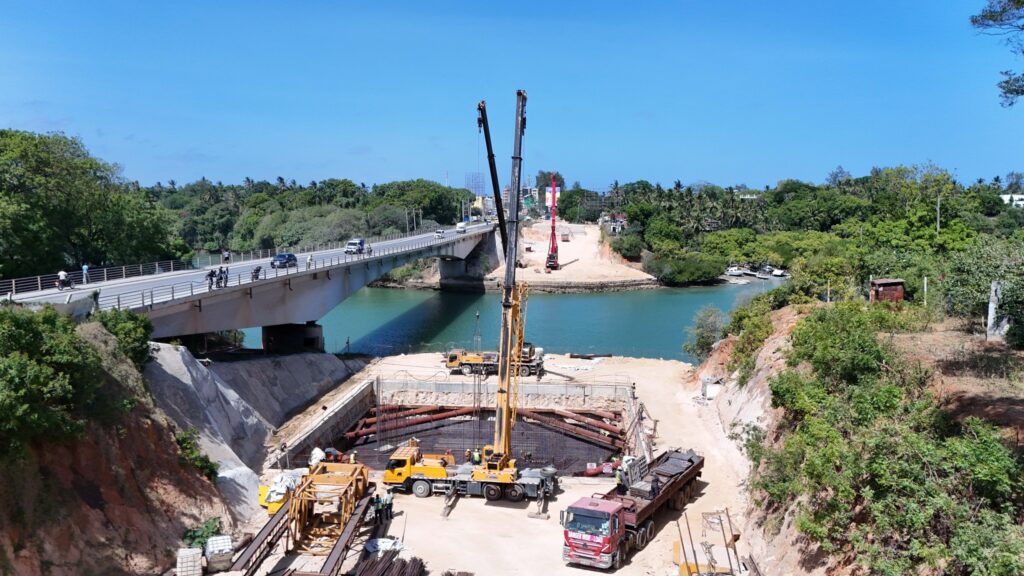
Beyond its structural significance, the Mtwapa Bridge and the broader A7 road infrastructure are already delivering tangible benefits to the Coast Region. Improved connectivity is boosting tourism by providing easier access to beaches, hotels, and cultural attractions. Trade and small businesses are also benefiting from faster transport times, reduced vehicle operating costs, and improved market access across the region.
The project reflects President William Ruto’s broader vision of rolling out road connectivity across the country as a foundation for economic transformation. By investing in roads, bridges, and transport corridors, the government is laying down the infrastructure backbone necessary for inclusive growth. Enhanced connectivity not only strengthens regional integration but also unlocks opportunities for commerce, mobility, and socio-economic development, positioning Kenya on a stronger path toward long-term national progress.