Kenya’s tourism sector is enjoying a strong resurgence, anchored by a remarkable boom in cruise tourism that is reshaping the coastal economy. Visitor arrivals by sea surged by 140 per cent last year, underscoring renewed global confidence in Kenya as a premium leisure destination. This rebound reflects sustained marketing efforts, improved port infrastructure, and growing interest in experiential travel combining culture, heritage, and wildlife.
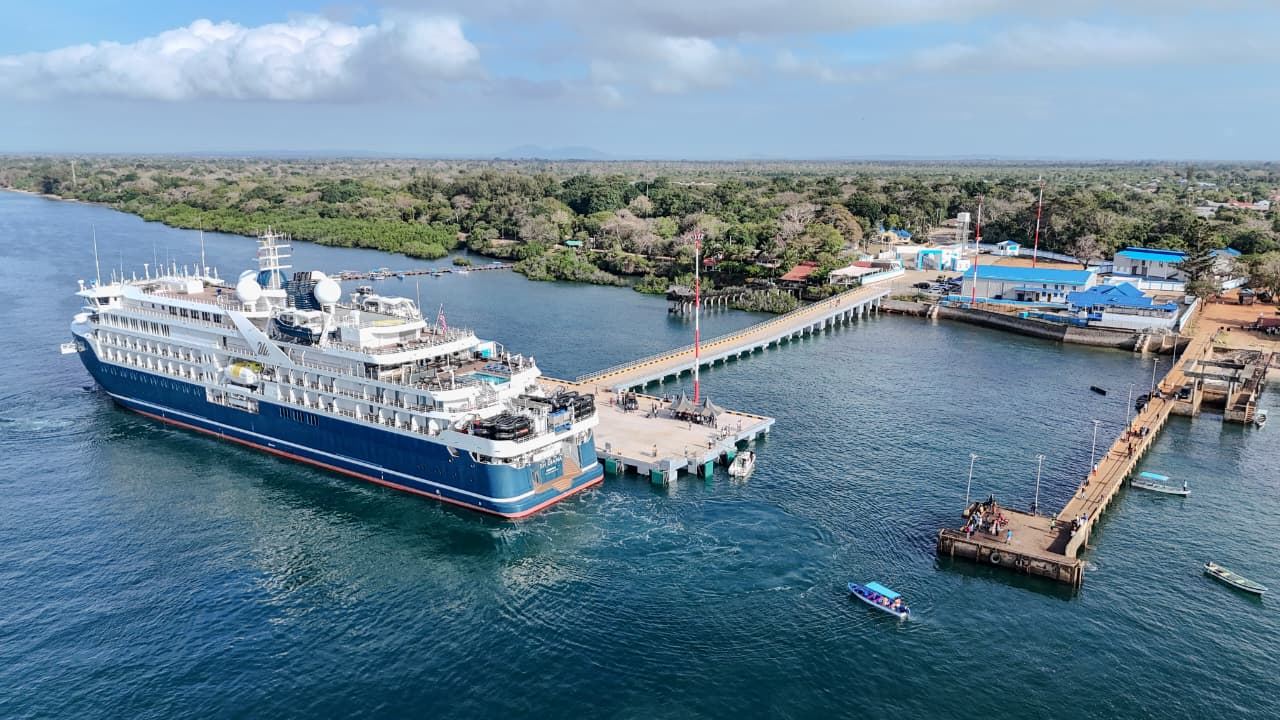
The Coast region has emerged as a central beneficiary of this upswing, with Mombasa, Lamu, and Shimoni increasingly positioning themselves as viable cruise ports of call. The docking of the SH Diana at Shimoni Port in Kwale County, the port’s first-ever cruise vessel, marked a symbolic expansion of Kenya’s cruise footprint beyond Mombasa. This diversification spreads tourism revenues to previously underexposed coastal communities, stimulating inclusive growth.
The Kenya Tourism Board (KTB) projects continued momentum, with more than six cruise vessels expected in Mombasa during the first phase of the current cruise season. According to KTB CEO June Chepkemei, hundreds of tourists are disembarking per ship to explore Swahili culture, heritage sites, and inland safari circuits. This integration of coastal and hinterland tourism strengthens Kenya’s value proposition as a multi-experience destination.
Economically, the cruise tourism surge is translating into tangible gains across the hospitality and services sectors. Hotels, lodges, restaurants, tour operators, transport providers, and curio traders are recording higher occupancy and demand, particularly from high-spending cruise passengers. Even short port calls inject significant foreign exchange into the local economy through accommodation bookings, excursions, food services, and retail spending.
The arrival of luxury vessels such as the Crystal Symphony, which recently docked in Mombasa with 501 passengers, further elevates Kenya’s profile in the high-end global tourism market. Long-haul itineraries linking Africa and Asia position Mombasa as a strategic hub in Indian Ocean cruise routes, reinforcing its historical role as a maritime gateway while opening new opportunities for port services and logistics.
However, structural constraints continue to limit Kenya’s full capture of cruise tourism value. The country’s classification by the World Health Organisation as a yellow fever endemic zone restricts visitor stay durations to 48 hours for unvaccinated tourists. This contrasts with neighbouring Tanzania, which enjoys longer cruise stays and higher downstream spending, placing Kenya at a competitive disadvantage.
Looking ahead, addressing health-related travel restrictions and enhancing port-side tourism infrastructure will be critical to sustaining the boom. With more vessels scheduled to dock along the coast, Kenya stands at a pivotal moment to convert cruise tourism growth into long-term economic dividends—deepening hotel industry recovery, creating jobs, and strengthening tourism’s contribution to national GDP.