Kenya has emerged as the East African leader in both energy consumption and renewable power generation, according to the latest Energy and Petroleum Regulatory Authority (EPRA) Energy and Petroleum Statistics Report. The findings highlight Kenya’s strong energy demand driven by industrialization and economic expansion, as well as its continued investment in green energy sources that position it as a regional benchmark for sustainable power development.
The report reveals that Kenya recorded the region’s highest electricity peak demand of 2,316 megawatts (MW) in 2025, a notable rise from 2,177 MW in 2024. This performance placed Kenya ahead of Tanzania, which registered 1,944 MW, Uganda with 1,176 MW, and Rwanda with 262 MW. The Democratic Republic of Congo followed closely with 2,174 MW, while Zanzibar recorded 131 MW, reflecting the region’s growing energy appetite amid expanding industries and populations.
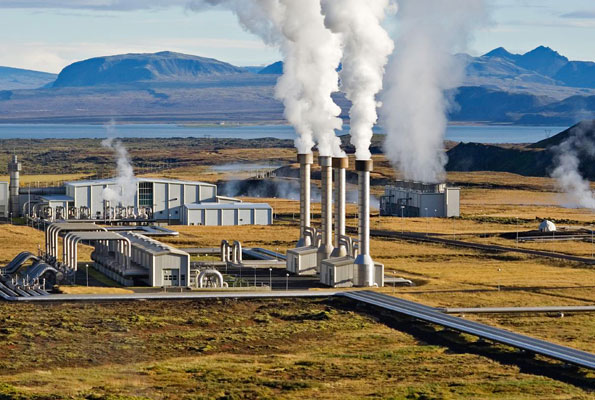
Kenya’s total installed electricity capacity stood at 3,192 MW, ranking third in the region after the DRC’s 3,238.9 MW and Tanzania’s 3,091.7 MW. Despite this, Kenya outshined its peers in renewable energy generation, particularly in geothermal power, where it accounted for 940 MW — representing 100 percent of the region’s geothermal capacity. This milestone underscores Kenya’s strategic focus on harnessing natural resources to achieve energy security and reduce carbon dependency.
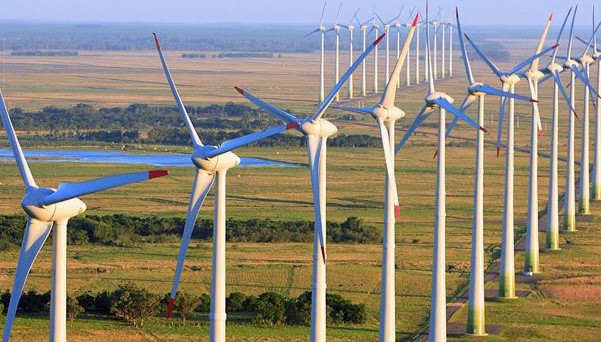
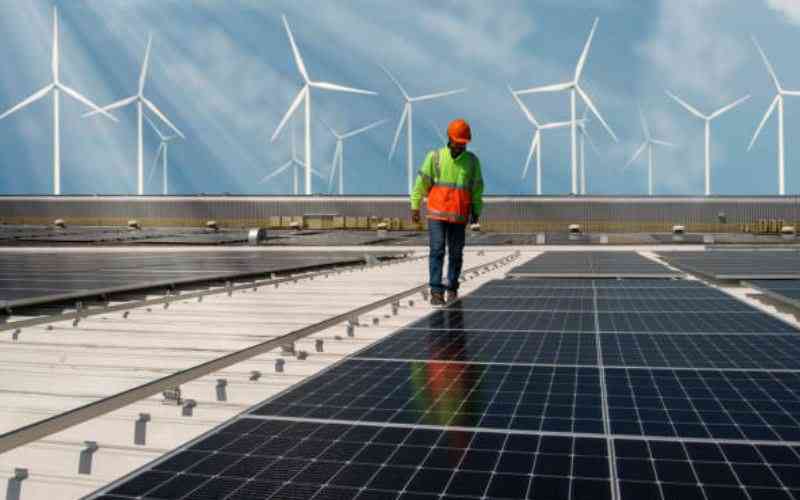
According to EPRA, renewable energy contributed 80.17 percent of Kenya’s electricity mix in 2025. The report emphasized that this clean energy composition demonstrates the nation’s dedication to sustainability and resilience within the energy sector. Hydropower, geothermal, wind, and solar sources together continue to power a majority of Kenya’s households, industries, and service sectors, minimizing reliance on fossil fuels and enhancing environmental conservation efforts.
Regionally, renewable energy accounted for 81 percent of total installed capacity across the East African Community, with hydropower leading at 65.15 percent. However, Kenya maintained the most diversified energy mix, integrating geothermal, hydro, solar, and wind sources to ensure grid stability and consistent supply. This diversity has proven vital for powering Kenya’s expanding manufacturing and industrial base, supporting the country’s ambition to become a middle-income economy through the Bottom-Up Economic Transformation Agenda (BETA).
Kenya’s energy leadership has far-reaching implications for industrialization and economic growth. Reliable and affordable power has fueled investment in manufacturing, technology, and infrastructure, creating jobs and enhancing productivity. With its renewable-driven model, Kenya is not only setting the pace for the EAC but also positioning itself as a continental hub for sustainable energy solutions — a key driver of future economic transformation.