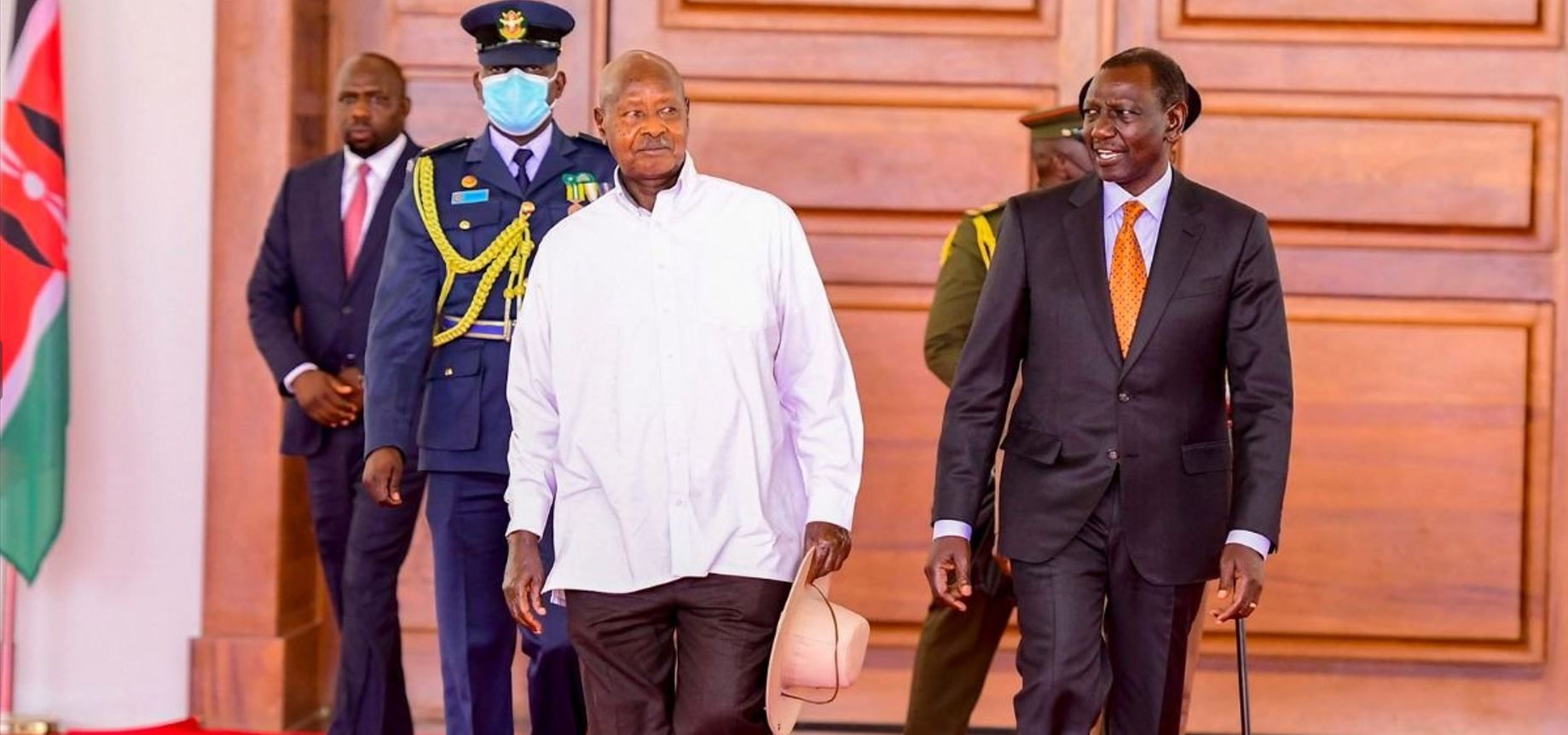
Kisumu is preparing to host one of the most consequential infrastructure moments in East Africa’s modern history as Kenyan President William Ruto and Ugandan leader Yoweri Museveni arrive to preside over the groundbreaking ceremony for the extension of the Standard Gauge Railway from Naivasha to Malaba. The ceremony is expected to attract tens of thousands of residents, political leaders, investors, and regional stakeholders, underscoring the magnitude of a project that aims to redefine how goods and people move across East Africa.
The planned 369-kilometer railway extension represents far more than a new transport line. It is the latest phase of Kenya’s ambitious Standard Gauge Railway system, which began as a flagship project linking the Port of Mombasa to inland markets through Nairobi and Naivasha. By pushing the line westward to the border town of Malaba, the railway will transform a national infrastructure project into a fully regional trade artery serving multiple landlocked economies.
The joint appearance of the two presidents carries powerful political symbolism. Kenya and Uganda remain the backbone of the East African Community integration agenda, and their cooperation on large infrastructure projects has long been viewed as essential to unlocking regional trade. The groundbreaking ceremony signals renewed momentum for the Northern Corridor strategy, a long-standing regional plan designed to improve transport links from the Kenyan coast to inland markets in Uganda, Rwanda, eastern Democratic Republic of Congo, and South Sudan.
For Kenya, the Naivasha-Malaba extension represents a critical pillar of President Ruto’s economic transformation agenda and a key component of the long-term infrastructure blueprint under Kenya Vision 2030. The administration views modern rail connectivity as a central driver of industrialization, logistics efficiency, and export competitiveness. The SGR has already reshaped freight movement between Mombasa and Nairobi. Extending it toward the western frontier has the potential to transform the entire regional supply chain.
Uganda also stands to gain significantly. President Museveni has consistently championed improved rail connectivity as a means to strengthen Uganda’s access to international markets. As a landlocked economy dependent on external transport routes, the cost and reliability of cargo movement through Kenya directly affect Uganda’s industrial expansion, agricultural exports, and petroleum logistics. The Malaba link would allow Ugandan imports and exports to move faster and at lower cost between inland markets and the coast.
The economic implications of the project extend well beyond national borders. The Northern Corridor serves as the primary gateway for goods moving between the Indian Ocean and the Great Lakes region. Today, most cargo along this corridor is transported by road, creating heavy congestion, high logistics costs, and extensive wear on highways. Rail expansion offers a more efficient alternative that could dramatically reduce the price of moving bulk commodities such as grain, fertilizers, petroleum products, and manufactured goods.
Lower transport costs are expected to strengthen the competitiveness of exports from both Kenya and Uganda. Agricultural producers across western Kenya and eastern Uganda could gain faster access to international markets, while manufacturers in industrial zones along the corridor would benefit from improved logistics reliability. By linking rail to lake transport through the revitalization of the port of Kisumu Port on Lake Victoria, the project could also create a powerful multimodal transport network connecting rail, road, and maritime trade.
Kisumu itself is poised to emerge as a major logistics hub under the railway expansion. The city’s strategic position along Lake Victoria places it at the intersection of regional trade routes linking Kenya, Uganda, Tanzania, and the eastern Democratic Republic of Congo. Rail connectivity is expected to stimulate investment in dry ports, warehousing facilities, cargo handling terminals, and industrial parks. Local businesses along the corridor could experience a surge in demand for goods, services, and transport support.
Counties across western Kenya are likely to witness a wave of economic activity tied to the railway’s construction and long-term operations. Large-scale civil works will require engineers, technicians, surveyors, and construction workers, while supply chains for materials, equipment, and services could create opportunities for local contractors and small enterprises. Once operational, the railway will require a workforce for station management, logistics operations, and freight services.
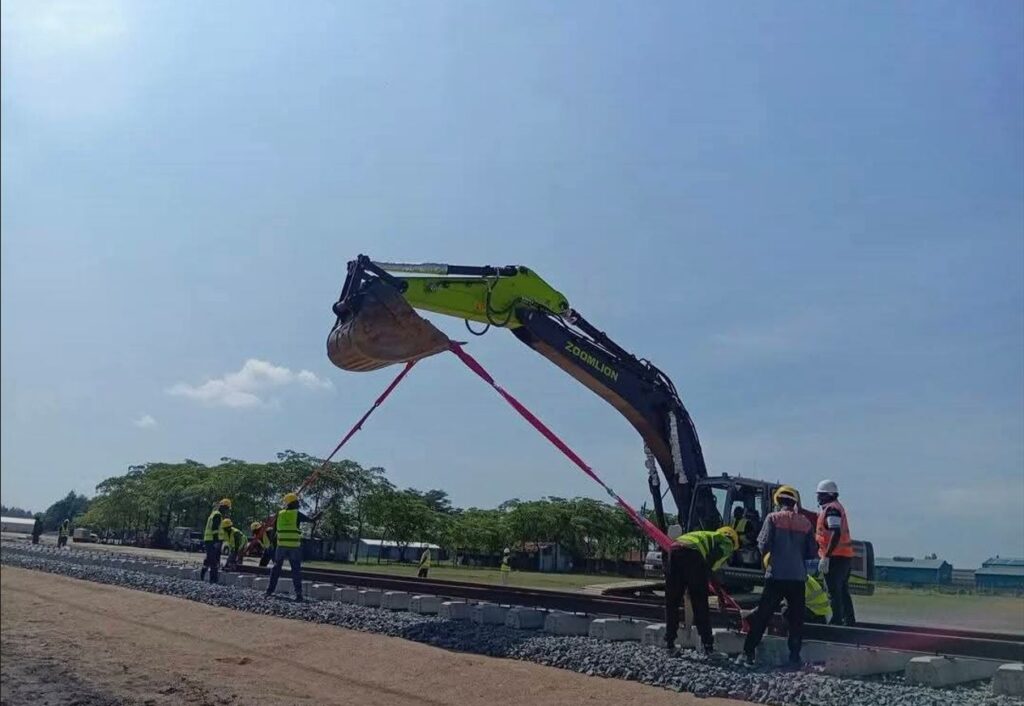
The construction phase itself highlights the technical scale of the project. The Naivasha–Kisumu segment will involve extensive civil engineering works including dozens of railway bridges, several tunnels cutting through difficult terrain, and hundreds of culverts designed to ensure structural stability along the corridor. A network of stations ranging from a major central hub to intermediate and crossing stations will anchor communities along the route and support both passenger and cargo movement.
Beyond its economic impact, the project reflects the growing role of infrastructure diplomacy in East Africa. Regional governments increasingly view cross-border infrastructure as a tool for strengthening political alliances, expanding trade partnerships, and attracting international investment. The SGR extension has drawn interest from development financiers and engineering firms eager to participate in one of the continent’s most ambitious rail modernization programs.
Environmental considerations are also shaping the project’s long-term appeal. Rail transport produces significantly lower carbon emissions per tonne of cargo compared with heavy-duty trucking. By shifting freight from highways to rail lines, the corridor could reduce fuel consumption, ease traffic congestion, and extend the lifespan of major road networks across Kenya and Uganda. This transition aligns with broader efforts to develop climate-resilient transport systems that support sustainable economic growth.
However, the scale of public investment required for railway expansion has also intensified scrutiny over financing structures and project management. Infrastructure megaprojects across Africa have often faced criticism related to cost overruns, debt sustainability, and operational performance. The Naivasha-Malaba line will therefore be closely watched by policymakers, economists, and civil society groups seeking assurances that the railway delivers measurable economic returns.
Transparency in procurement, financing arrangements, and construction oversight will be essential to maintaining public confidence in the project. Equally important will be mechanisms for monitoring the railway’s performance once it becomes operational. Freight volumes, trade flows, and cargo transit times will serve as key indicators of whether the railway succeeds in transforming regional commerce.
The anticipated launch in Kisumu signals more than the start of construction. It represents a strategic attempt by Kenya and Uganda to accelerate economic integration through shared infrastructure. If executed successfully, the Naivasha-Malaba railway could become one of the most powerful economic arteries in East Africa, linking the Indian Ocean coast to the heart of the Great Lakes region and redefining how trade moves across the continent.