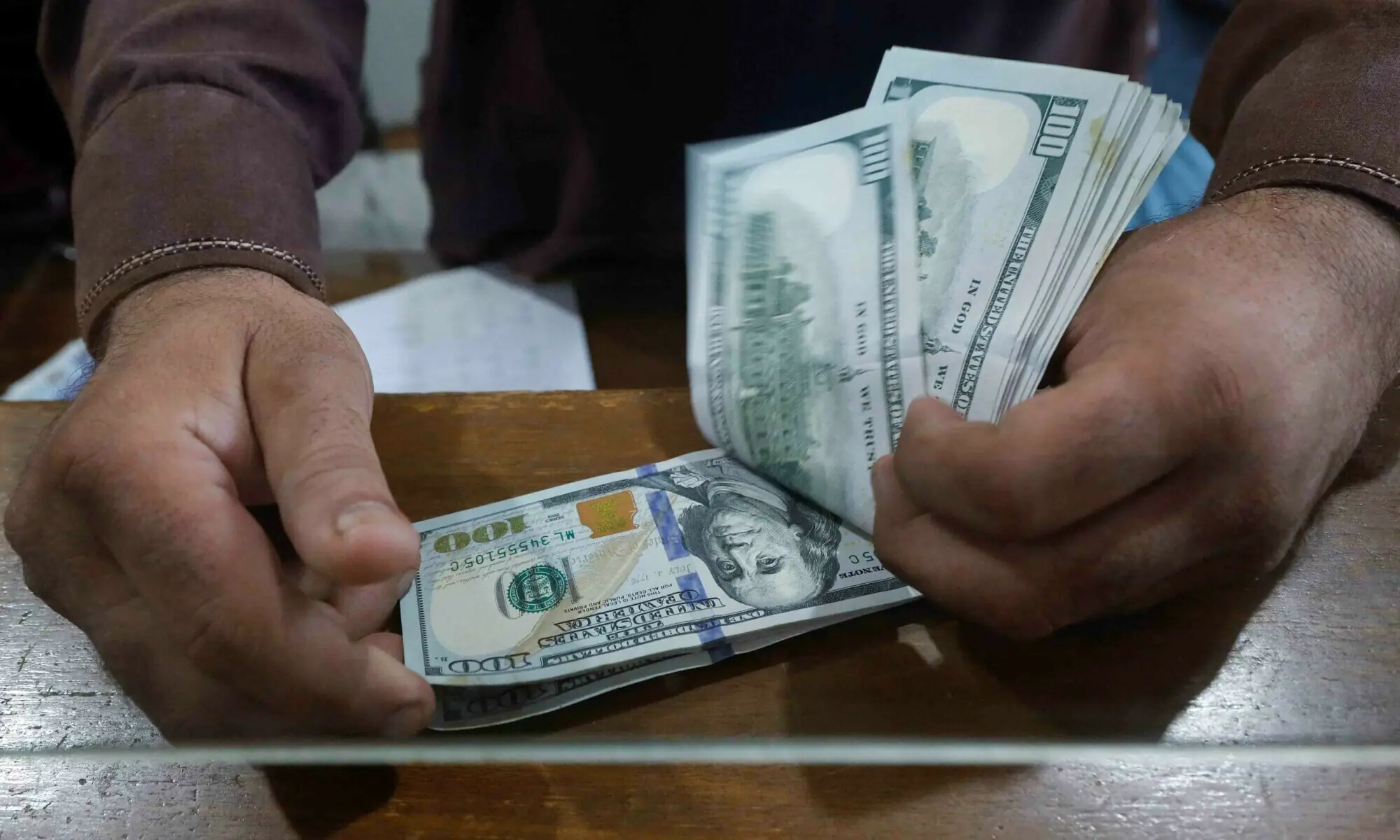
Kenya’s foreign exchange reserves have recorded a significant rise of Sh266 billion following inflows from the government’s recent Eurobond issuance, strengthening the country’s external financial position. The increase has enhanced the nation’s ability to support the Kenyan shilling and meet its international financial obligations while reinforcing confidence in the country’s macroeconomic stability.
According to the latest update by the Central Bank of Kenya (CBK), the country’s forex reserves increased to $14.59 billion (Sh1.88 trillion) as of March 5. The reserves now provide 6.2 months of import cover, reflecting a strong external buffer that safeguards the economy against external shocks and volatility in global financial markets.
The CBK noted in its weekly bulletin released on Friday that the current reserve level remains comfortably above the statutory requirement of maintaining at least four months of import cover. This benchmark is widely used as a measure of a country’s ability to finance essential imports and maintain currency stability in the face of global economic uncertainties.
The rise in reserves follows proceeds from the government’s latest Eurobond issuance, which injected fresh foreign currency into the country’s financial system. The additional inflows have significantly boosted Kenya’s external buffers and strengthened the Central Bank’s capacity to stabilize the Kenyan shilling in the foreign exchange market.
Data from the CBK shows that the reserves rose to $14,597 million from $12.53 billion recorded about a week earlier. The regulator emphasized that the improved reserves position signals resilience in Kenya’s external sector and enhances the country’s ability to meet external debt obligations while supporting economic growth.
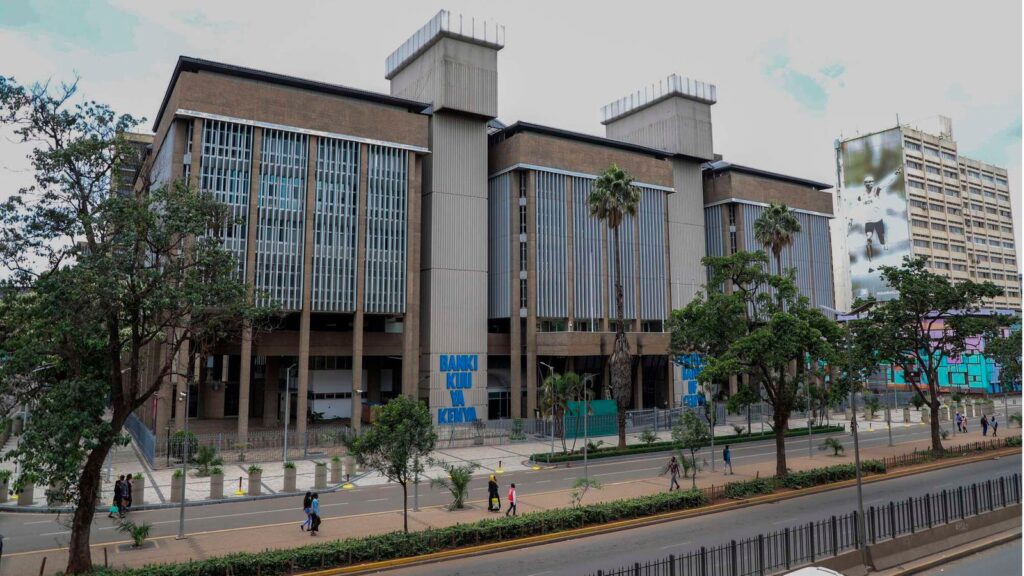
During the same period, the Kenyan shilling remained relatively stable against major international currencies. The currency traded at Sh129.20 per US dollar on March 5, compared to Sh129.02 on February 26, reflecting continued stability supported by improved foreign currency inflows and prudent monetary management.
The domestic money market also remained liquid, with commercial banks maintaining strong reserve positions. Banks held excess reserves averaging Sh57.9 billion above the 3.25 percent cash reserve requirement, indicating adequate liquidity within the banking sector and a stable financial environment for lending and investment.
However, activity at the Nairobi Securities Exchange declined during the week, with key share indices including NASI, NSE 25, and NSE 20 posting losses. The CBK also highlighted growing global inflationary pressures driven by escalating tensions in the Middle East, which pushed international oil prices higher to $76.25 per barrel from $69.73 the previous week, a development that could influence global economic trends and energy costs in the coming months.