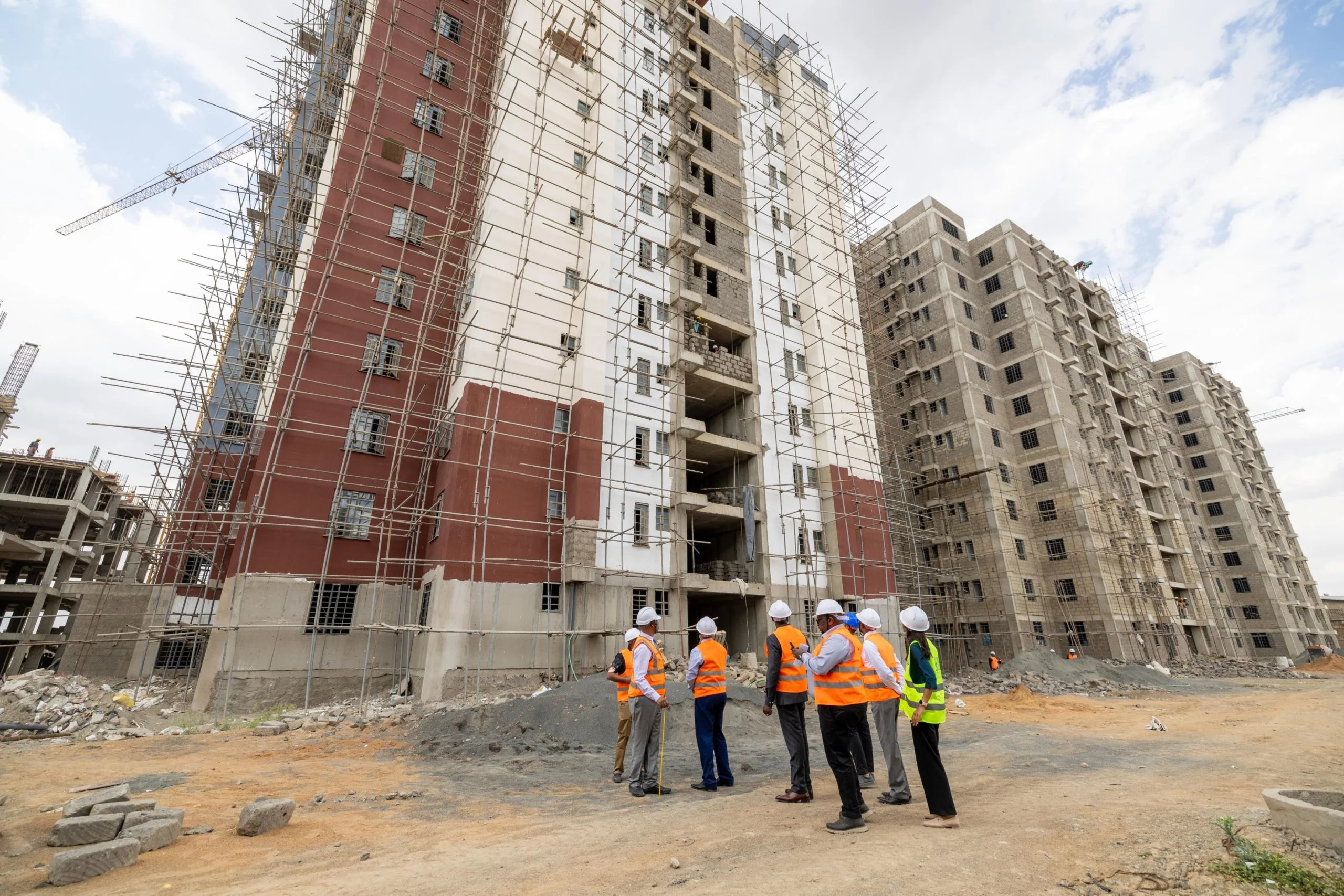
Kenya’s Affordable Housing Programme (AHP), accessible through the Boma Yangu platform, stands as a flagship government initiative to deliver decent, safe, and affordable homes to low- and middle-income citizens. Recent highlights shared via the #BomaYanguInNumbers campaign underscore the programme’s rapid progress, illustrating how targeted investments are transforming housing access nationwide while stimulating economic activity.
With construction sites bustling across counties, the initiative directly tackles the longstanding urban housing deficit and empowers ordinary Kenyans to achieve home ownership. At the heart of the current drive are more than 254,546 affordable housing units actively under construction countrywide. This massive pipeline reflects unwavering government commitment to scaling up supply and closing the gap between demand and delivery.
Each site serves as a hub of development, bringing infrastructure improvements and community benefits to regions that have long awaited structured housing solutions. Since September 2022, 8,367 affordable units have already been completed and handed over to families. These milestones translate into real stories of families moving from informal settlements into modern, dignified homes.
The steady completion rate signals that the programme is not merely aspirational but is delivering tangible results on the ground. Job creation ranks among the programme’s most powerful outcomes. Youth under 35 years old account for 50 percent of the workforce on AHP sites, ensuring that half of all employment opportunities directly empower the next generation. Construction activities have become vibrant centres of skill development where young Kenyans earn incomes and acquire valuable technical expertise. Support for local enterprises forms another pillar of the initiative. KSh 11 billion has been specifically ring-fenced for MSMEs and Jua Kali artisans participating in housing and modern markets projects.
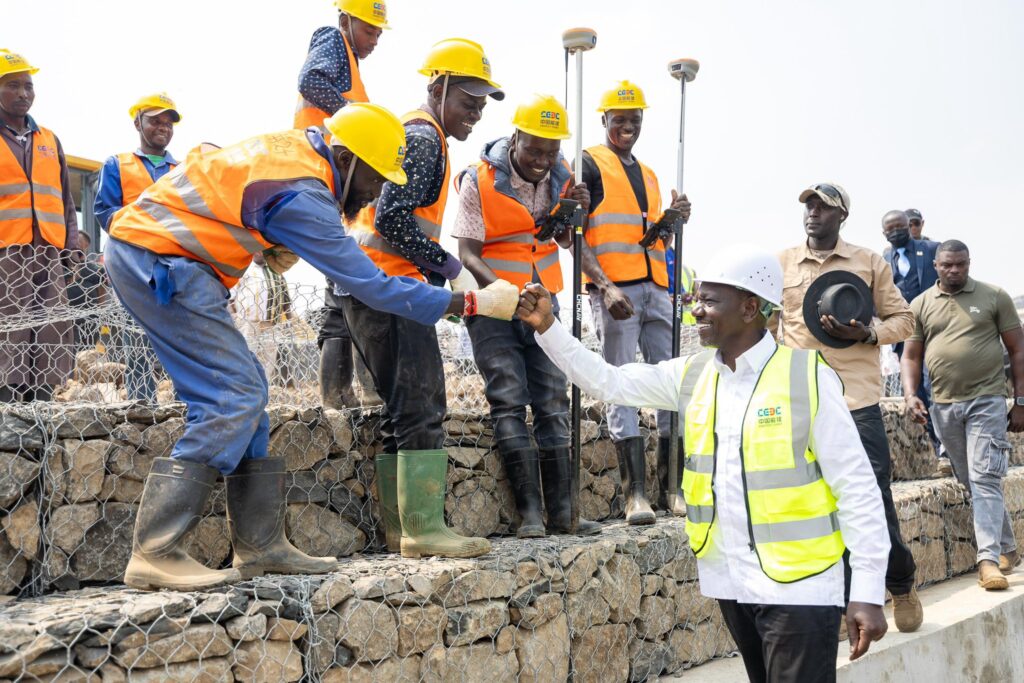
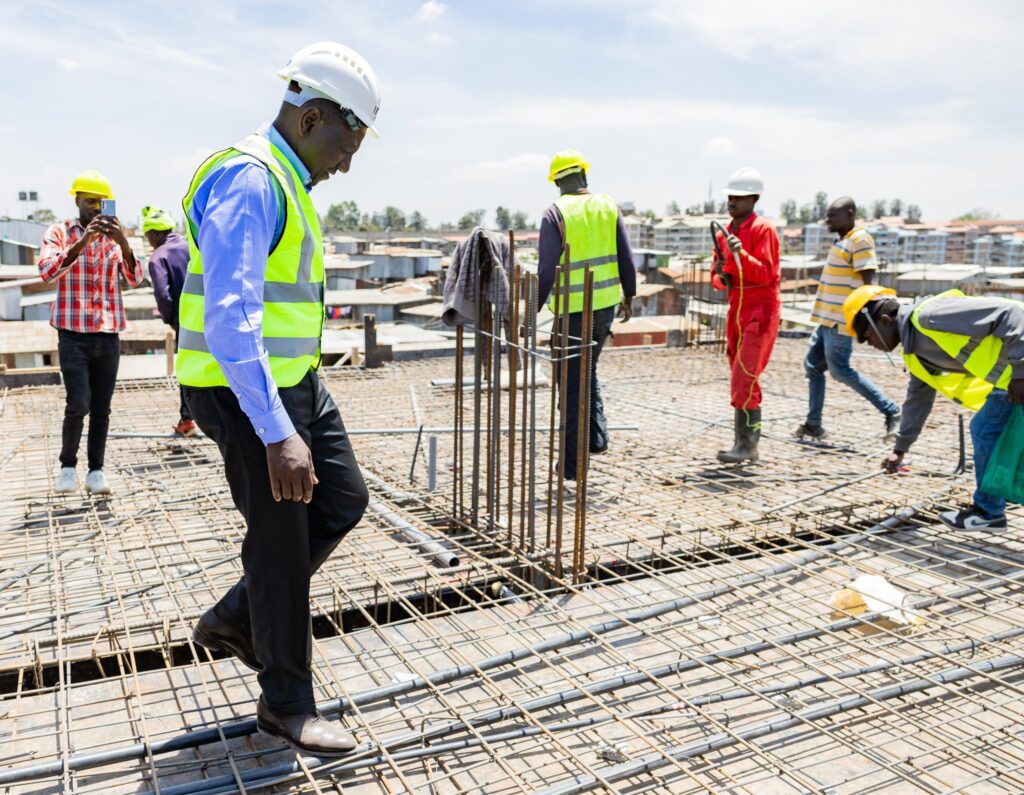
This funding enables small businesses to supply materials, provide services, and thrive within the broader housing ecosystem, fostering inclusive economic growth from the grassroots level.Jua Kali artisans contribute a remarkable 17.5 percent of the programme’s reported labour force. Their involvement in producing key construction inputs strengthens domestic manufacturing, reduces reliance on imports, and keeps more money circulating within Kenyan communities.
This integration of informal sector expertise highlights the programme’s bottom-up approach to national development. Institutional housing is receiving focused attention as well. Across the country, 20,904 units are under construction specifically for police officers and other disciplined services personnel. These developments improve living conditions for those who safeguard the nation, enhancing morale and operational readiness while demonstrating the programme’s reach beyond civilian beneficiaries. Student accommodation is expanding rapidly to ease pressures on tertiary institutions.
Hostels currently under construction will provide 129,113 bed spaces, roughly equivalent to 36,889 housing units. This investment promises safer, more conducive living environments for learners and supports the education sector’s growth by addressing a critical infrastructure shortfall. A flagship urban renewal effort along the Nairobi River corridor will deliver 10,000 new housing units while creating employment for approximately 45,000 young people. The project seamlessly combines environmental restoration, infrastructure upgrades, and residential development, reclaiming valuable city space for sustainable communities and demonstrating innovative multi-purpose planning.
Further opportunities for skills transfer come through the programme’s internship drive. Already 5,500 graduates are gaining hands-on experience on housing projects nationwide, with a target of 10,000 interns. This component, alongside the broader ambition to generate one million youth jobs through AHP-related activities, positions the initiative as a powerful engine for long-term economic participation and human capital development in Kenya.