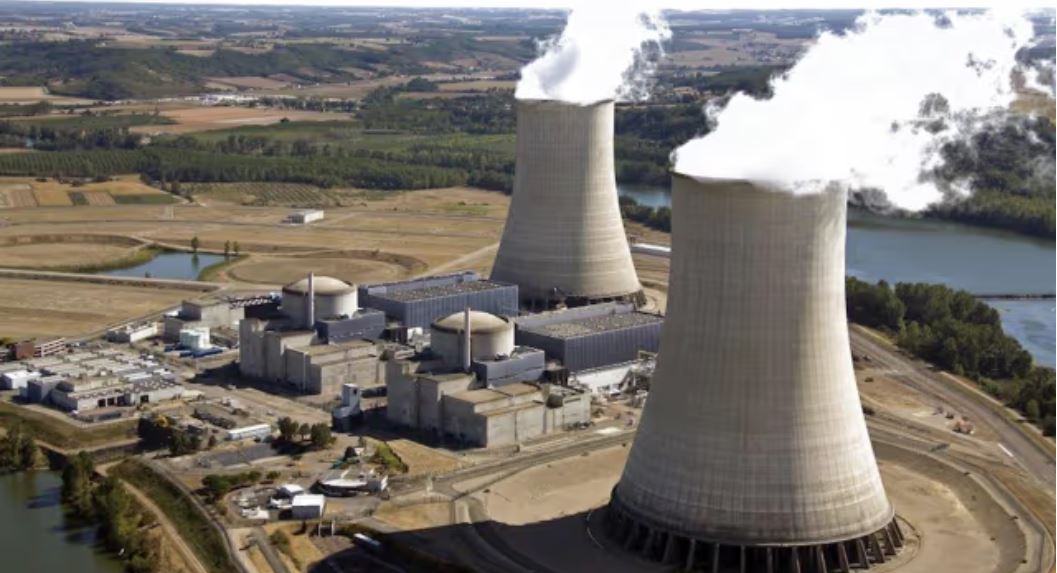
Kenya is set to host a major international nuclear summit in Mombasa next month, marking a significant moment in the country’s energy journey as it moves closer to building its first nuclear power plant. The high-level meeting places Kenya at the centre of global discussions on nuclear energy at a time when demand for reliable electricity is rising sharply across Africa.
The conference will bring together government officials, nuclear regulators, energy experts, investors and international institutions, creating one of the largest nuclear energy gatherings ever hosted in the country. It comes as Kenya prepares to begin construction of its first nuclear facility in 2027, part of a broader effort to strengthen energy security and support industrial growth.
By hosting the summit, Kenya is signalling growing confidence in its preparedness to manage nuclear power safely and responsibly. The event highlights the importance of coordination between national ministries, regulatory agencies, international partners and local stakeholders as the country lays the groundwork for a complex and highly regulated energy sector.
Discussions at the meeting will focus on how nuclear energy can support economic growth while delivering stable, low-carbon power. With population growth, urban expansion and industrialisation driving electricity demand, nuclear power is increasingly viewed as a way to provide consistent baseload energy that complements renewable sources such as geothermal, wind and solar.
The summit also underscores the scale of investment and planning required for nuclear projects. Kenya is using the forum to engage potential financiers and technology providers early, while learning from countries that have already developed nuclear programmes. These conversations are expected to shape financing models, construction timelines and long-term operational planning.
Safety and security will feature prominently, reflecting public concern around nuclear technology. Sessions will examine global best practices in regulation, emergency preparedness and environmental protection, alongside efforts to strengthen Kenya’s regulatory capacity. Public awareness and community engagement are expected to be key themes, particularly as potential host regions seek clarity on safety standards and long-term benefits.
Beyond energy, the conference carries wider economic and diplomatic value. Hosting global nuclear leaders enhances Kenya’s international profile and supports efforts to attract investment into the energy sector. The choice of Mombasa also aligns with the country’s push to grow conference tourism and position the coastal city as a destination for major international events.
Regionally, the summit places Kenya in a leadership role as African countries explore nuclear energy to meet future power needs. The forum offers an opportunity for countries at different stages of nuclear development to exchange knowledge and strengthen regional cooperation on energy planning and regulation.
As Kenya continues to diversify its power mix, nuclear energy is being positioned as a long-term anchor for the national grid. Officials argue that while renewables remain central to the country’s energy strategy, nuclear power will provide the reliability needed to support manufacturing, industry and sustained economic growth.
Hosting the nuclear summit reflects Kenya’s intention to approach nuclear power with careful planning, broad consultation and international cooperation. As the country looks ahead to its first nuclear power plant, the gathering in Mombasa signals a clear message that Kenya is preparing not just to generate nuclear energy, but to manage it safely, transparently and in line with global standards.

President William Ruto has set in motion one of the most ambitious education infrastructure reforms in recent years with the launch of a Sh45 billion programme to solarize...
Read moreDetails