Kenya has launched a US$200 million Green Investment Fund in Nairobi to expand long-term financing for climate-aligned enterprises, as separate World Bank funding deepens support for green small and medium-sized businesses. While structured independently, the two initiatives reflect accelerating capital flows into Kenya’s green economy, driven by public policy reform, development finance engagement, and rising private-sector interest in climate-resilient growth.
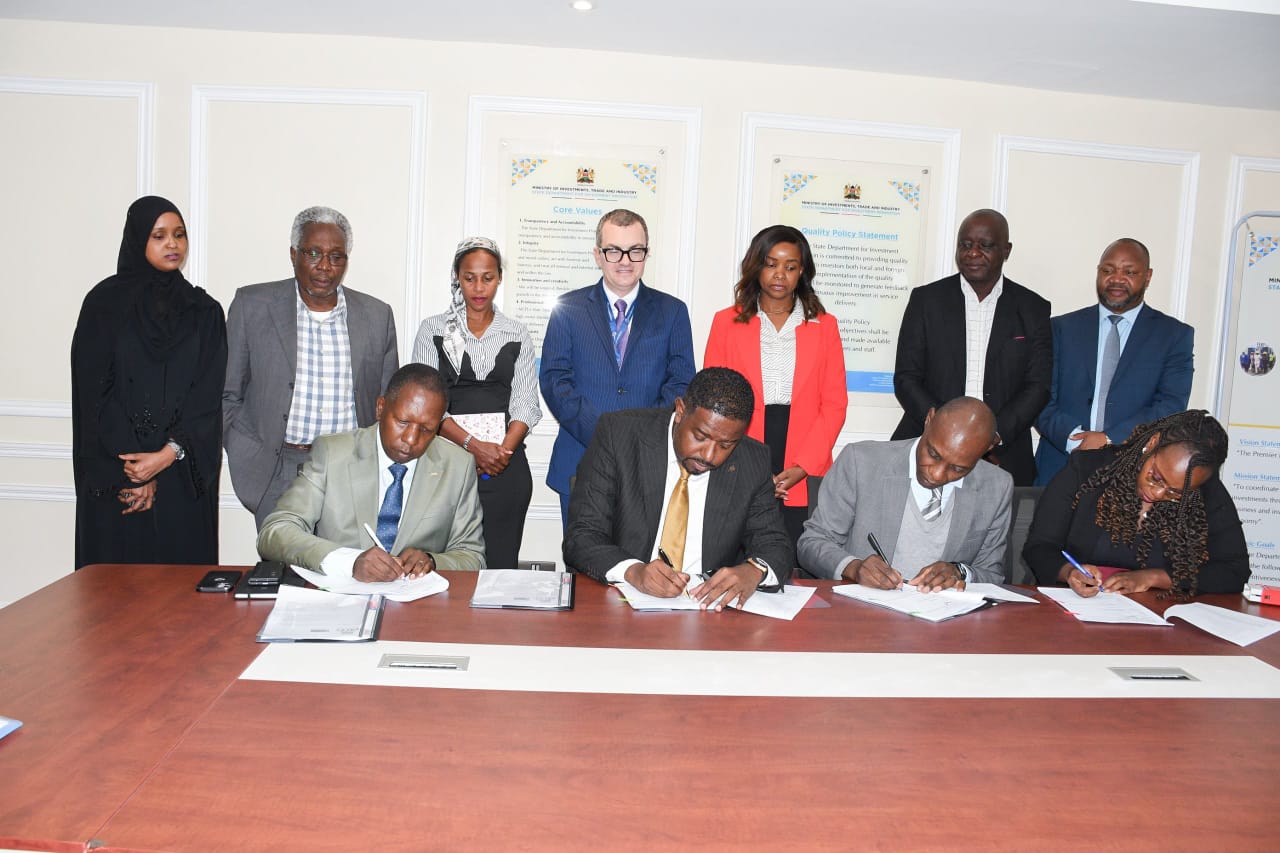
The Green Investment Fund is anchored by an initial US$40 million commitment from the government through the Kenya Development Corporation, with the remaining capital to be mobilised from private and institutional investors. Britam has been contracted as general partner and has formed a consortium with Wangara Green Ventures to structure and raise additional capital, positioning the fund as a blended-finance platform capable of absorbing both domestic and international investment.
Designed to address long-standing financing gaps in climate-aligned sectors, the fund will deploy equity and quasi-equity instruments to small and medium-sized enterprises adopting sustainable business models. By offering patient, risk-adjusted capital, the vehicle aims to reduce barriers that have limited SME participation in renewable energy, energy-efficient construction, sustainable manufacturing, climate-smart agriculture, waste management, and clean transport.
Parallel to the fund’s launch, the World Bank has committed Sh5.55 billion to support green SMEs through Kenya Development Corporation programmes under the Kenya Jobs and Economic Transformation Project. This funding is separate from the Green Investment Fund’s capital base but complements its objectives by expanding access to affordable financing, strengthening financial intermediaries, and lowering investment risk in priority green sectors.
Together, the initiatives highlight a deliberate policy shift toward using blended finance and public-private collaboration to unlock climate investment at scale. High-level engagement involving the National Treasury, the World Bank Group, development finance institutions, and private investors underscores recognition that public resources alone are insufficient to meet Kenya’s climate and development financing needs.
The economic implications extend beyond climate mitigation. Improved access to long-term green financing is expected to accelerate SME growth, support job creation, and enhance industrial competitiveness. Climate-aligned enterprises are positioned to drive technology adoption, local value addition, and productivity gains, while expanding employment across energy, agriculture, manufacturing, transport, and circular economy value chains.
From an environmental and strategic standpoint, the financing momentum supports Kenya’s transition toward lower emissions and greater climate resilience. Investments in renewable energy, sustainable transport, regenerative agriculture, and waste management align with national emissions-reduction targets while strengthening adaptive capacity in sectors vulnerable to climate shocks.
The initiatives are closely aligned with Vision 2030, the Bottom-Up Economic Transformation Agenda, and Kenya’s commitments under the Paris Agreement. By integrating climate finance with enterprise development and job creation, the approach reinforces green growth as a core pillar of inclusive economic transformation rather than a parallel environmental agenda.
Effective deployment will depend on strong governance, transparent fund management, and credible impact measurement. Clear investment criteria, risk-sharing mechanisms, and robust oversight will be critical to sustaining investor confidence. Equally important will be targeted capacity-building to help SMEs meet environmental and financial standards, absorb patient capital, and scale commercially viable green solutions.
As public capital, multilateral funding, and private investment increasingly converge, Kenya is positioning itself as a regional hub for green finance. The launch of the Green Investment Fund alongside expanded World Bank support signals growing confidence in private-sector-led climate solutions and reinforces Kenya’s ambition to anchor a just, inclusive transition to a low-carbon economy.