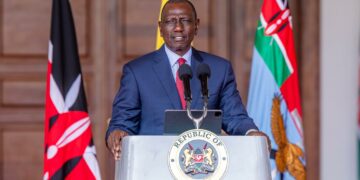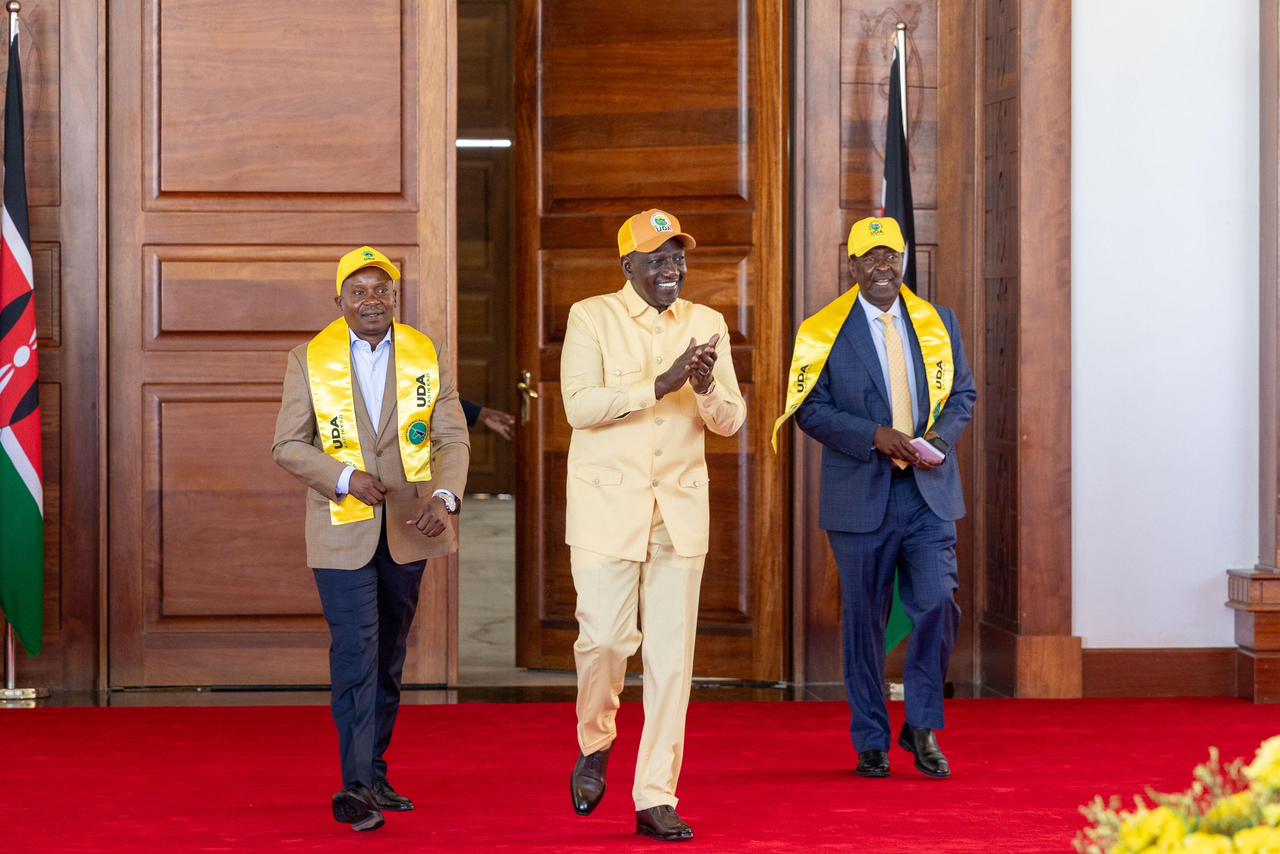
President William Ruto said the country is firmly on the right trajectory, pointing to improved economic stability, reforms in education and health, and accelerated infrastructure development as key achievements of his administration three years into office. Speaking at State House during a United Democratic Alliance National Governing Council meeting, the President framed the moment as evidence that Kenya has moved beyond crisis management and is now entering a phase of steady delivery and consolidation.
According to the President, the early period of the Kenya Kwanza administration was dominated by the task of stabilizing an economy under strain and correcting long-standing structural weaknesses. The government argues that difficult decisions taken since 2022 were necessary to restore fiscal discipline, calm inflationary pressure, and rebuild confidence in public finances. With those measures in place, the administration says the economy is now better positioned to support growth, jobs, and household stability.
Improved economic conditions have begun to ease pressure on ordinary Kenyans. Slower inflation has reduced the cost shock on basic goods, allowing households and workers more room to plan and spend. A more predictable economic environment has also helped small businesses manage costs and maintain operations. In agriculture, expanded fertilizer support has boosted production, strengthened food security, and raised farm incomes, reinforcing the government’s emphasis on productivity rather than short-term relief.
The administration has highlighted education reform as another area where stabilization has translated into visible progress. Public universities that were facing financial distress have been placed on firmer footing, restoring confidence among students and staff. The rollout of Competency-Based Education has been streamlined, reducing uncertainty for parents and teachers, while the recruitment of a large number of new teachers has eased classroom congestion and improved learning conditions. Technical and vocational training institutions are also being reoriented to equip young people with practical skills aligned to the labor market.
In health, institutional reforms are aimed at expanding access and reducing the financial burden on households. The government says restructuring and improved coordination are strengthening service delivery at public facilities and lowering out-of-pocket costs. For many families, this is beginning to mean more reliable access to care without the fear of catastrophic medical expenses.
Infrastructure development remains a central pillar of the administration’s economic strategy. Thousands of kilometers of stalled road projects have been revived after the government mobilized financing to return contractors to site. Road construction is supporting jobs, stimulating local economies, and improving access to markets. Better connectivity is reducing transport costs, supporting trade, and linking regions more effectively to national growth centers.
Beyond roads, continued investment in housing, energy, transport, and digital infrastructure reflects a broader push to unlock private sector participation and modernize service delivery. These projects are designed to create employment, expand business opportunities, and strengthen long-term competitiveness.
The government’s approach reflects a clear policy direction under the Kenya Kwanza administration. Stabilize first, reform institutions, then accelerate development. Stronger coordination between national and county governments, tighter public sector accountability, and structured engagement with the private sector are being presented as key enablers of progress.
This trajectory aligns with the Bottom-Up Economic Transformation Agenda, which prioritizes productivity, job creation, support for micro and small enterprises, and sustained cost-of-living relief. It also connects with Kenya Vision 2030 through investments in human capital, social protection, and inclusive growth.
President Ruto framed the administration’s first three years as a foundation-building phase rather than an end point. The message from State House is that the hardest corrections have been made, systems are stabilizing, and the country is now positioned for stronger growth, greater resilience, and more broadly shared prosperity in the years ahead.
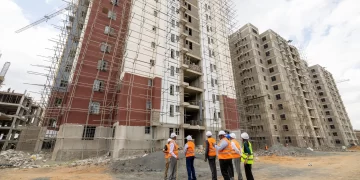
Kenya’s Affordable Housing Programme (AHP), accessible through the Boma Yangu platform, stands as a flagship government initiative to deliver decent, safe, and affordable homes to low- and middle-income...
Read moreDetails