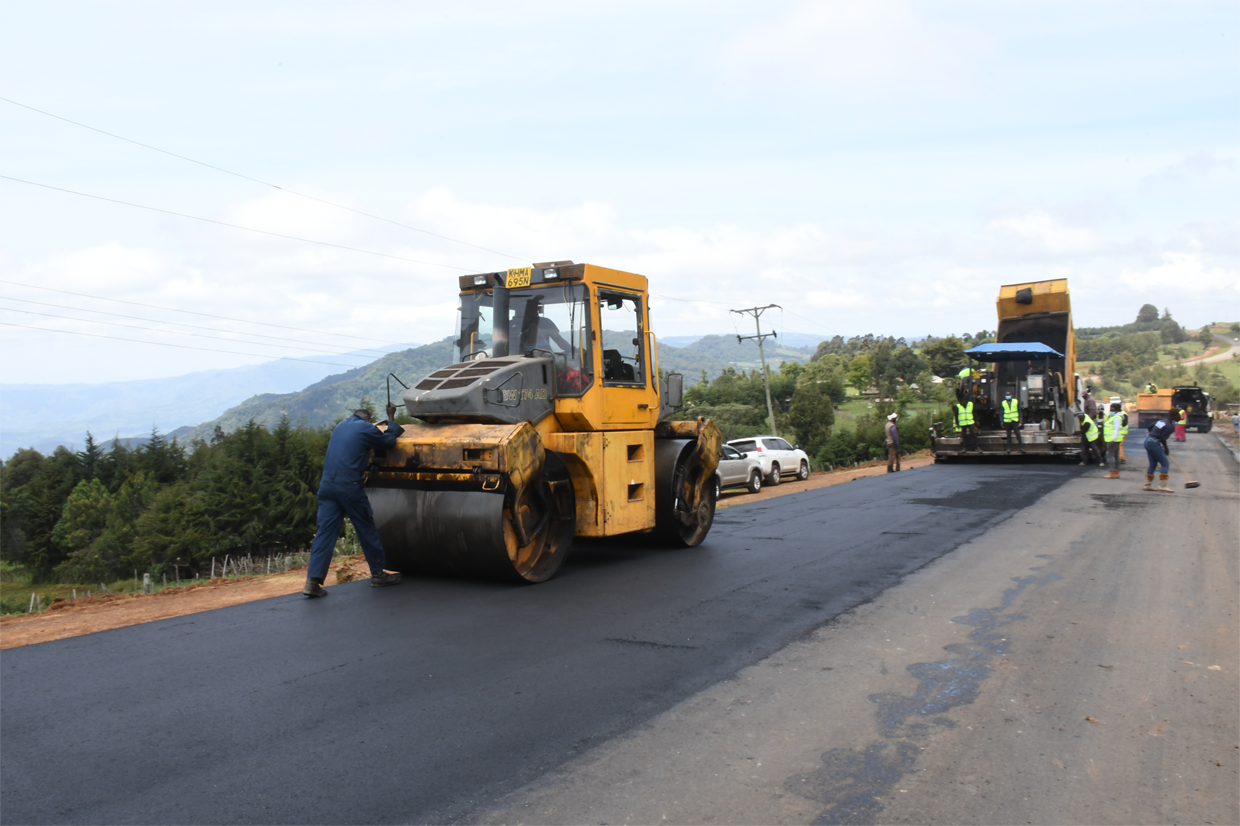
The Kenya National Highways Authority unveiled plans to construct three major highways linking six Rift Valley counties in a large-scale infrastructure push aimed at strengthening regional connectivity, unlocking rural economies, and lowering transport costs. The proposed road corridors will cut across Nandi, Bomet, Kericho, Elgeyo Marakwet, Uasin Gishu, and Narok, forming a strategic network designed to improve mobility, facilitate trade, and support economic activity across one of Kenya’s most productive regions.
The Kenya National Highways Authority’s plan to construct three major highways linking six Rift Valley counties marks a decisive move to reposition transport infrastructure as a core driver of regional productivity, market integration, and inclusive economic growth. Spanning Nandi, Bomet, Kericho, Elgeyo Marakwet, Uasin Gishu, and Narok, the initiative reflects deliberate state planning aligned with national priorities on mobility, trade facilitation, and cost reduction across the economy.
At the operational level, the proposed highway network addresses long-standing connectivity gaps between the North and South Rift Valley while opening up rural and peri-urban zones that remain underserved by reliable transport links. By upgrading and expanding more than 400 kilometers of road corridors, KeNHA is leveraging modern highway engineering to shorten travel times, improve road reliability, and enhance year-round access to markets, schools, health facilities, and administrative centers.
The economic implications are significant. Improved inter-county connectivity is expected to lower transport and vehicle operating costs for goods and passengers, directly improving margins for farmers, traders, and transport operators. The highways will expand market access for agriculture and agribusiness, particularly tea, dairy, livestock, and horticulture value chains that dominate the Rift Valley economy. Reduced logistics friction strengthens regional supply chains, making them more competitive and resilient to price shocks and seasonal disruptions.
Strategically, the corridors create new opportunities for manufacturing, warehousing, and agro-processing by linking production zones to urban markets and national trunk roads. Improved road access also enhances tourism circuits across Narok, Kericho, and neighboring counties, supporting hospitality, services, and MSME activity. For rural and peri-urban communities, better highways improve access to social services and employment centers, increasing household resilience and supporting more balanced spatial development.
The initiative sits squarely within President William Ruto’s Bottom-Up Economic Transformation Agenda and Kenya Vision 2030, reinforcing the role of infrastructure as an enabler rather than an end in itself. By prioritizing highways that connect productive regions rather than isolated prestige projects, the government is advancing commitments to reduce the cost of doing business, improve logistics efficiency, and promote equitable development across counties.
Execution, however, will depend heavily on effective intergovernmental coordination. Successful delivery requires close collaboration between the national government, county administrations, KeNHA, and relevant road agencies in planning, financing, and rollout. County-level engagement, community consultations, and stakeholder participation are essential to ensure local ownership, minimize disruptions, and guarantee that benefits reach farmers, youth, women, and transport-dependent populations rather than bypassing them.
Governance and implementation safeguards will be equally critical. Transparent procurement, rigorous lifecycle cost management, and climate-resilient road design are necessary to protect value for money, especially given reliance on World Bank and African Development Bank financing. Integrating road safety features, digital monitoring systems, and structured maintenance plans will determine whether these highways deliver long-term reliability rather than short-lived gains.
Ultimately, the Rift Valley highway programme underscores a people-centered approach to infrastructure development. By reducing transport costs, strengthening regional connectivity, and unlocking local economic potential, the initiative positions the Rift Valley as a more accessible, productive, and economically integrated region. If executed with discipline and accountability, these highways can transform transport infrastructure into a catalyst for bottom-up empowerment and inclusive national growth.
Kenya’s Affordable Housing Programme (AHP), accessible through the Boma Yangu platform, stands as a flagship government initiative to deliver decent, safe, and affordable homes to low- and middle-income...
Read moreDetails